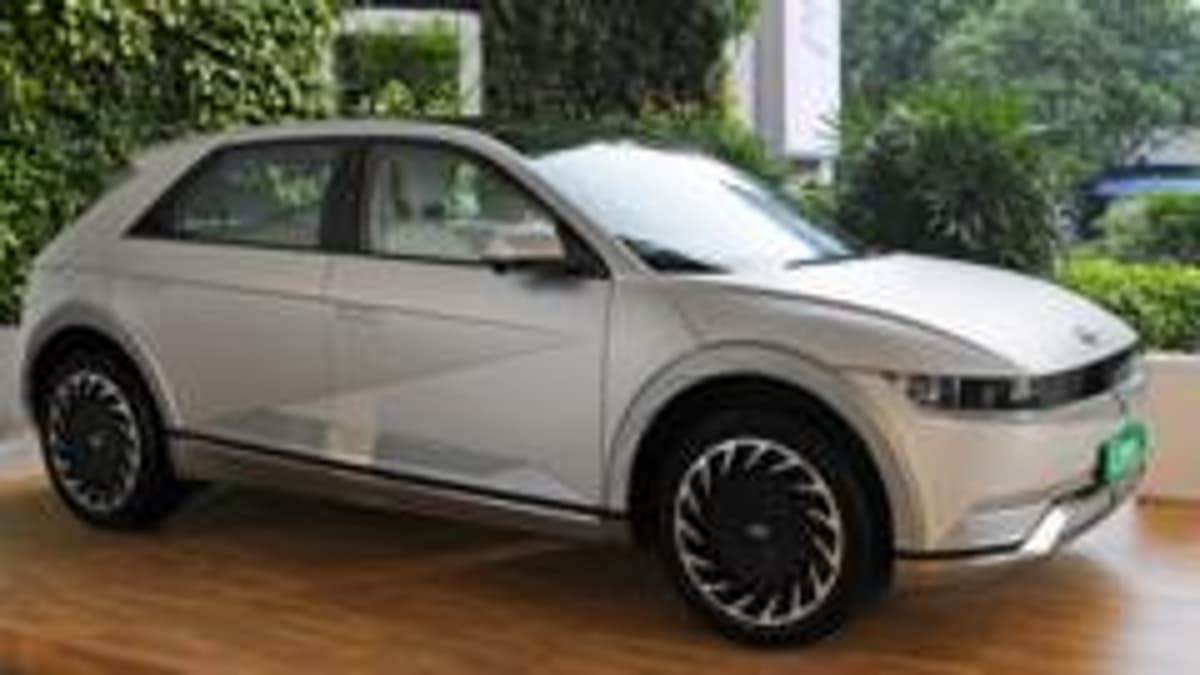
Costly Fuel Pushes More Indians to Buy Electric Cars but Challenges Remain
Why It Matters
The surge signals a tipping point for mass‑market EV adoption in India, compelling manufacturers and investors to accelerate product launches and infrastructure investments.
Key Takeaways
- •EV sales grew 25% YoY, reaching 5% of passenger market
- •High‑price EVs now 10% of cars above $10k
- •CAFE‑3 regulations aim to cut emissions 33% by 2032
- •Public chargers increased tenfold to 10,000, but remain regionally clustered
- •Supply chain relies on China for 70‑80% of lithium and cobalt
Pulse Analysis
Rising fuel costs have become a catalyst for India’s electric‑vehicle (EV) market, which recorded a 25% year‑over‑year expansion and crossed the 5% penetration mark in passenger cars. The price shock, driven by a 50% jump in crude prices, has nudged cost‑sensitive consumers toward higher‑priced EVs—now one in ten vehicles above $10,500 is electric. Three‑wheelers and two‑wheelers have already embraced electrification, capturing 30% and 15% of their segments respectively, underscoring a broader shift toward low‑emission mobility.
Regulatory momentum is intensifying. The upcoming CAFE‑3 standards, slated for April 2027, will tighten permissible emissions from 113 g/km to 76 g/km by 2032—a 33% reduction—while introducing enforceable penalties that were previously ignored. City‑level policies, such as Delhi’s draft ban on new internal‑combustion registrations by 2027, add further pressure. Analysts forecast EV share could climb to 9% by 2030 if these rules are implemented with certainty, prompting OEMs to accelerate launches and investors to fund supporting ecosystems.
Despite the optimism, India faces stark infrastructure and supply‑chain hurdles. Public charging points have risen from 2,000 to over 10,000 in three years, yet they are concentrated in just four states, leaving most regions with sparse coverage and fueling range‑anxiety. Moreover, the country remains dependent on China for 70‑80% of lithium and cobalt processing, exposing the sector to geopolitical risk. Closing the charger gap and building a domestic battery supply chain will be essential for India to match the rapid EV adoption seen in China and the EU, and to sustain the momentum sparked by today’s fuel price volatility.
Costly fuel pushes more Indians to buy electric cars but challenges remain
Comments
Want to join the conversation?
Loading comments...