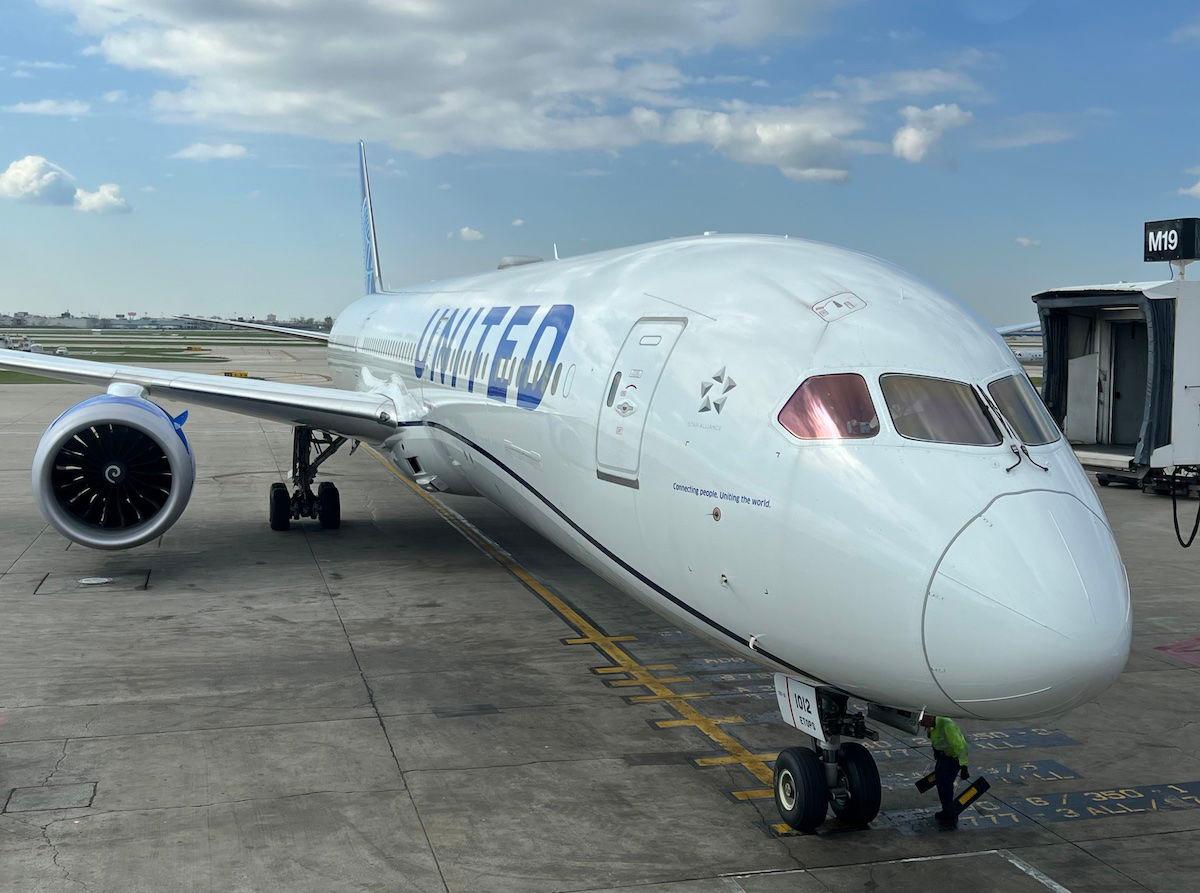
Cranky United 787 Captain Rude To Newark ATC, But Karma Gets Him Back
Companies Mentioned
Why It Matters
Pilot attitude directly affects ATC cooperation and safety margins, while crew communication lapses expose training deficiencies that can harm airline reputation.
Key Takeaways
- •United captain demanded ATC supervisor after perceived delay
- •First officer needed nine transmissions to read back hold short correctly
- •Controller maintained composure, enforcing correct read‑back protocol
- •Incident highlights training gaps in crew communication
- •Pilot misconduct can damage safety culture and airline reputation
Pulse Analysis
The Newark incident unfolded as United flight 995, a Boeing 787‑10 from Brussels, entered the final approach corridor. The captain’s curt exchange—questioning the controller’s timing and requesting a supervisor’s number—quickly escalated, prompting the controller to reaffirm his instructions and maintain a professional tone. While such radio friction is not uncommon, the public nature of the exchange, captured on YouTube, amplifies scrutiny and underscores that even brief lapses in courtesy can ripple through safety‑critical communications.
Beyond the immediate drama, the episode reveals deeper challenges in crew resource management (CRM). The first officer’s inability to correctly read back a hold‑short command—taking nine transmissions to resolve—highlights a training gap that can jeopardize runway safety. The Federal Aviation Administration mandates precise read‑backs to prevent misunderstandings, especially in congested airspace like Newark. When pilots deviate from these protocols, they increase workload for controllers and raise the risk of runway incursions, a concern that resonates across the industry.
Airlines can turn this incident into a catalyst for improvement. Enhanced radio‑communication drills, regular CRM refreshers, and stricter monitoring of pilot‑ATC interactions can reinforce the importance of professionalism. Moreover, transparent disciplinary policies for unwarranted confrontations help preserve an airline’s brand integrity. By addressing both attitude and procedural shortcomings, carriers not only safeguard operational safety but also reinforce public confidence in their commitment to disciplined, courteous aviation practices.
Cranky United 787 Captain Rude To Newark ATC, But Karma Gets Him Back
Comments
Want to join the conversation?
Loading comments...