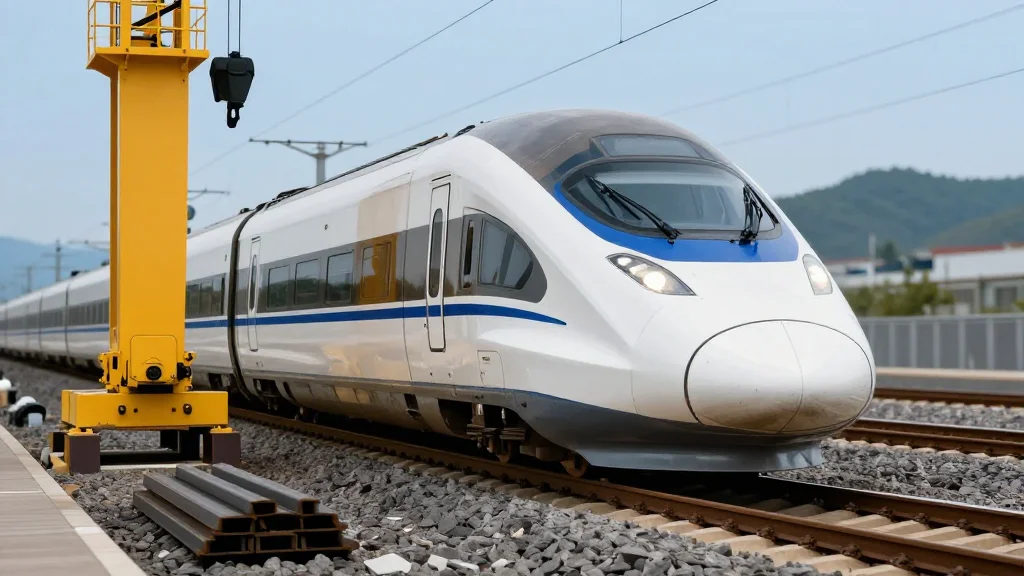
Croatia Awards Major Line Upgrade Contact
Why It Matters
The upgrade will dramatically increase freight and passenger capacity on a key European corridor, strengthening Croatia’s role in trans‑European logistics and attracting further investment. It also showcases Indian engineering firms securing high‑value EU‑backed infrastructure contracts.
Key Takeaways
- •Afcons wins €677 million (≈$738 million) Croatia rail upgrade
- •Project adds second track, raises speed to 160 km/h
- •EU co‑funds under TEN‑T Mediterranean Corridor
- •Completion slated for ~5 years, 10 months
Pulse Analysis
The Dugo Selo‑Novska line is a strategic segment of the Trans‑European Transport Network’s Mediterranean Corridor, linking Central Europe with the Adriatic Sea. Upgrading this 83‑kilometre stretch addresses chronic capacity bottlenecks and aligns with the EU’s push to modernise rail infrastructure for greener freight movement. By rebuilding the existing track, installing a new parallel line, and boosting speeds to 160 km/h, the project will cut travel times, improve reliability, and support the shift of cargo from road to rail, a core objective of the European Green Deal.
Afcons Infrastructure’s selection marks a notable win for Indian construction firms in the competitive European market. The €677 million bid, deemed the most economically advantageous, reflects Afcons’ ability to deliver large‑scale, technically complex projects at competitive pricing. This contract underscores a broader trend of non‑European contractors gaining footholds in EU‑funded projects, leveraging cost efficiencies and proven expertise in railway engineering. For Afcons, the deal not only expands its global portfolio but also positions the company for future bids across the continent’s expanding rail renewal programmes.
For Croatia, the upgraded line promises a ripple effect across the national economy. Faster, double‑track service will increase line capacity, attracting new freight operators and boosting passenger volumes on a route that serves both domestic commuters and international travelers. The removal of level crossings and installation of noise barriers address safety and community concerns, while modern signalling and traction systems future‑proof the corridor for electrified, high‑speed services. With an anticipated completion timeline of just under six years, the project is set to deliver tangible economic benefits well before the EU’s 2030 climate targets are due.
Croatia awards major line upgrade contact
Comments
Want to join the conversation?
Loading comments...