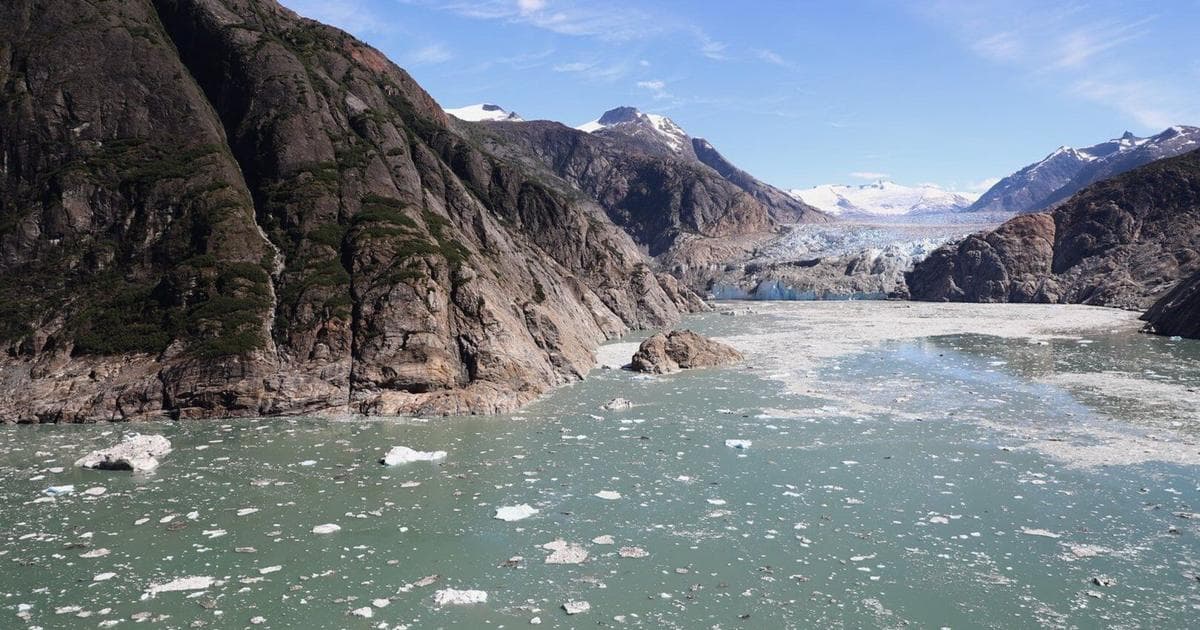
Cruise Companies to Alaska Are Avoiding a Popular Excursion to Tracy Arm After a Massive Landslide
Companies Mentioned
Why It Matters
The reroute strips a flagship attraction from cruise programs, potentially reducing bookings and revenue while underscoring rising geohazard risks for Alaska’s tourism sector.
Key Takeaways
- •Landslide in Aug 2025 destabilized Tracy Arm slopes, causing tsunami
- •Holland America, Carnival, Royal Caribbean replace Tracy Arm with Endicott Arm
- •USGS warns ongoing rockfall could trigger future localized tsunamis
- •Cruise itinerary changes announced only weeks before season start
- •Alternative stops still draw tourists but lack Tracy Arm’s iconic appeal
Pulse Analysis
Alaska’s cruise market has long hinged on dramatic fjord scenery, with Tracy Arm ranking among the most photographed stops. The 2025 landslide—originating high on the South Sawyer glacier’s slope—sent a massive slab of ice and rock into the water, creating a wave that surged over a quarter‑mile up the opposite cliff. Scientists link the event to accelerated glacial melt and permafrost thaw, trends that are reshaping the region’s stability. As climate‑driven hazards become more frequent, operators must balance the allure of iconic vistas with the imperative of passenger safety.
In response, the industry’s heavyweight carriers—Holland America, Carnival, Royal Caribbean, MSC, Virgin Voyages and others—have swiftly re‑routed ships to Endicott Arm and Dawes Glacier. These alternatives, while still scenic, lack the dramatic calving glaciers that draw bucket‑list travelers to Tracy Arm. The sudden itinerary shift, communicated only weeks before departures, risks eroding consumer confidence and could depress fare premiums for the early season. Cruise lines are also investing in real‑time hazard monitoring and contingency planning to protect brand reputation and avoid costly last‑minute cancellations.
The broader implication is a growing need for integrated geohazard surveillance across Alaska’s fjord network. State agencies and the U.S. Geological Survey are expanding remote‑sensing programs to flag unstable slopes before they threaten vessels. For tour operators, diversifying port offerings—such as promoting Endicott Arm’s wildlife and Dawes Glacier’s ice cliffs—can mitigate revenue loss while preserving the wilderness experience. Ultimately, the Tracy Arm episode serves as a cautionary tale: climate‑induced landscape changes will increasingly dictate cruise routing, prompting the industry to adopt more adaptive, data‑driven itinerary strategies.
Cruise companies to Alaska are avoiding a popular excursion to Tracy Arm after a massive landslide
Comments
Want to join the conversation?
Loading comments...