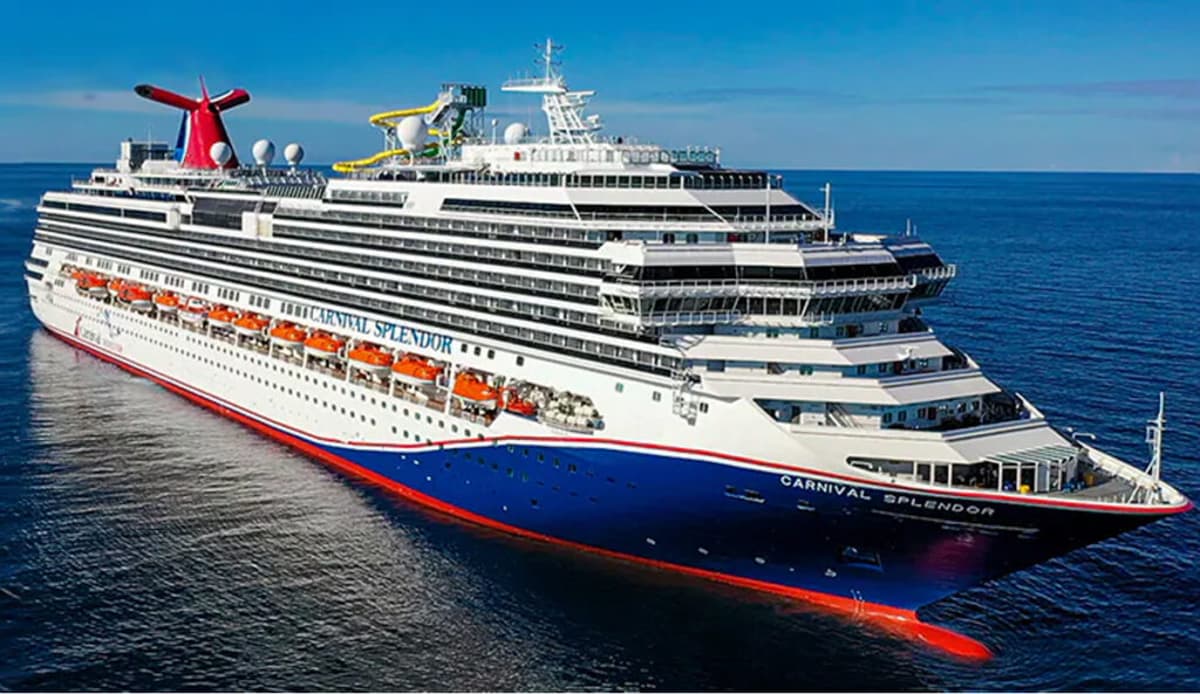
Cruise Ship Passenger Jumps Overboard Hours After Another Died on Same Trip
Why It Matters
The back‑to‑back fatalities highlight vulnerabilities in cruise‑ship safety measures, potentially prompting regulatory reviews and affecting passenger confidence in the industry.
Key Takeaways
- •Two unrelated deaths occurred on Carnival Splendor within hours
- •Snorkeling accident claimed a 67‑year‑old passenger’s life
- •Male guest jumped overboard, sparking extensive rescue operation
- •Carnival says investigations are ongoing, no link between incidents
- •Incidents may trigger stricter maritime safety oversight
Pulse Analysis
The cruise sector has long marketed itself as a safe, all‑inclusive vacation, yet recent high‑profile incidents are eroding that perception. In the past year, several operators have faced scrutiny after onboard accidents, ranging from medical emergencies to overboard events. When a passenger dies during a snorkeling excursion and another goes missing after climbing over the rail, it forces both the public and regulators to question whether existing safety standards keep pace with growing passenger volumes and increasingly adventurous itineraries.
Carnival Splendor’s twin tragedies underscore gaps in real‑time monitoring and passenger supervision. While the line’s care team responded promptly, the fact that a guest could access the rail and jump suggests that physical barriers and crew vigilance may be insufficient. Maritime authorities such as the U.S. Coast Guard and Australia’s Australian Maritime Safety Authority routinely audit safety drills, but enforcement often hinges on incident reporting. The ongoing investigations will likely examine whether the ship’s safety briefings, life‑vest distribution, and overboard detection systems were adequately executed.
Looking ahead, cruise lines may need to invest in advanced technologies—such as AI‑driven surveillance cameras and wearable alert devices—to prevent similar occurrences. Additionally, insurers and travel agents could adjust risk assessments, influencing pricing and itinerary planning. For travelers, the incidents serve as a reminder to stay informed about safety protocols and to heed crew instructions, especially during off‑ship activities. The industry’s response will be pivotal in restoring confidence and ensuring that leisure travel remains both enjoyable and secure.
Cruise Ship Passenger Jumps Overboard Hours After Another Died on Same Trip
Comments
Want to join the conversation?
Loading comments...