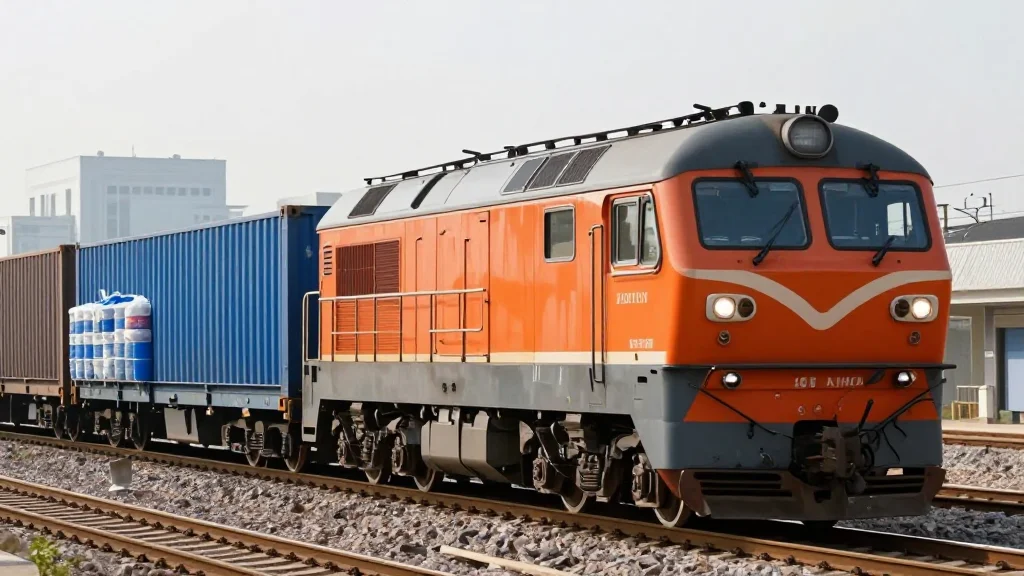
CSX Says More Businesses Are Shipping via Rail to Avoid Surging Fuel Cost...
Why It Matters
Higher rail volumes boost CSX earnings and signal a lasting modal shift that could reshape U.S. freight logistics, while offering shippers a hedge against volatile fuel markets.
Key Takeaways
- •CSX raised its 2026 sales outlook as fuel‑price spikes drive rail demand
- •Plastics freight grew sharply, aided by domestic producers offsetting overseas disruptions
- •Data‑center equipment shipments surged, reflecting expanding cloud infrastructure investments
- •CSX stock rose after hours, part of a 56% annual gain
Pulse Analysis
The recent escalation of the Iran‑Ukraine war has sent global fuel prices soaring, putting pressure on trucking firms that rely heavily on diesel. Shippers seeking cost certainty are increasingly turning to rail, which benefits from lower fuel consumption per ton‑mile and can lock in rates that are less sensitive to daily oil price swings. This shift is not merely a short‑term reaction; it underscores a strategic re‑evaluation of logistics networks as companies prioritize resilience and expense control in an uncertain energy landscape.
CSX, the second‑largest freight railroad in the United States, responded by raising its 2026 sales outlook, citing stronger demand across several high‑margin segments. Plastics shipments have surged as domestic producers fill the gap left by disrupted overseas supply chains, while data‑center construction—driven by expanding cloud services—has generated a notable uptick in heavy equipment moves. These growth drivers align with CSX’s broader strategy to capture higher‑value freight, improve asset utilization, and offset softness in traditional bulk commodities such as coal and grain.
Analysts see the current rail boom as a potential catalyst for a longer‑term modal shift. If fuel volatility persists, trucking firms may face sustained cost pressures, prompting further migration of freight to rail corridors where capacity is expanding through infrastructure upgrades and precision‑scheduled services. This could reshape competitive dynamics, spur investment in rail technology, and enhance the environmental profile of freight transport, given rail’s lower carbon intensity per ton‑mile. Companies that adapt early stand to gain operational savings and supply‑chain agility in a market where energy costs remain a pivotal variable.
CSX says more businesses are shipping via rail to avoid surging fuel cost...
Comments
Want to join the conversation?
Loading comments...