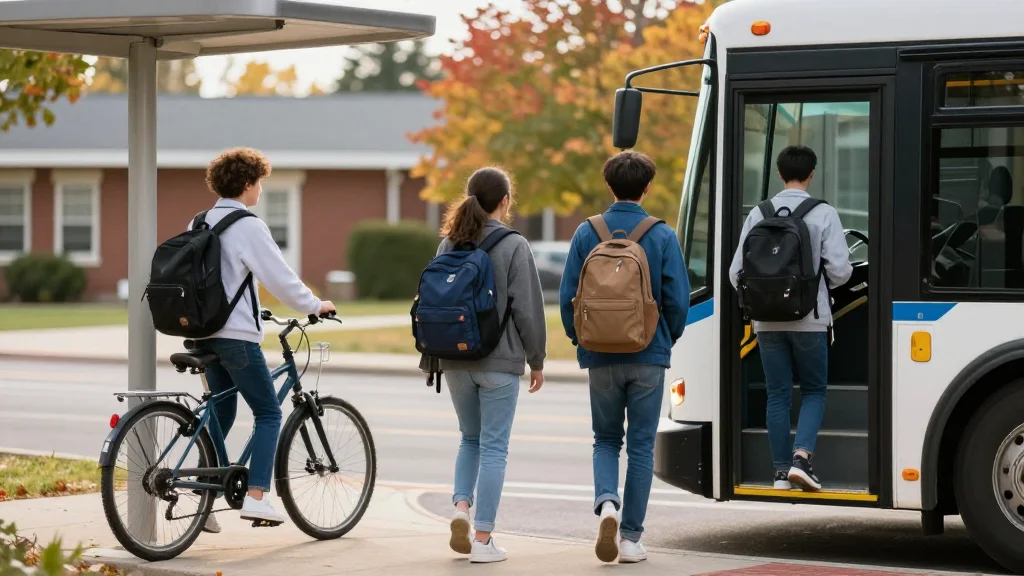
CT: CT High School Students May Soon Get Free Passes to Ride CTtransit Buses Across the State
Why It Matters
Free transit for students and veterans removes a key cost barrier, boosting equity and likely increasing ridership while easing traffic congestion in Connecticut’s urban centers.
Key Takeaways
- •$2.5M allocated for free high‑school bus passes next fiscal year
- •Program covers grades 9‑12 and veterans across CTtransit network
- •Prior free‑bus pilot boosted ridership and youth program participation
- •Stamford students beyond 2‑mile radius gain new transportation access
- •Governor Lamont expected to sign bill after legislative approval
Pulse Analysis
The new Connecticut legislation reflects a growing national trend of using public transit subsidies to address socioeconomic gaps. By eliminating fare barriers for high‑schoolers and veterans, the state not only supports educational attainment and workforce entry but also taps into the broader benefits of reduced car dependency. Studies show that free‑bus programs can lift ridership by 20‑30 percent, generating ancillary revenue from increased farebox collections and advertising, while the $2.5 million investment is modest compared with the potential economic gains from a more mobile population.
Connecticut’s experience during the COVID‑19 pandemic provides a real‑world case study: a temporary free‑bus policy sparked a notable spike in usage and filled youth programs that had previously struggled with attendance. When the subsidy ended in 2023, participation plummeted, underscoring how fare costs can act as a hidden gatekeeper. Reinstating free passes for high‑school students aims to replicate the earlier surge, ensuring that extracurricular activities, part‑time jobs, and essential services remain within reach for a demographic that often relies on public transportation.
From a policy perspective, the program aligns with Governor Lamont’s broader agenda of equitable infrastructure investment. By targeting students living beyond a two‑mile radius—common in cities like Stamford—the bill addresses both social equity and traffic congestion. Fewer cars on the road translate into lower emissions and safer streets, while increased bus ridership can justify future expansions of the CTtransit network. If successful, Connecticut could set a template for other states seeking cost‑effective ways to boost mobility and economic opportunity.
CT: CT high school students may soon get free passes to ride CTtransit buses across the state
Comments
Want to join the conversation?
Loading comments...