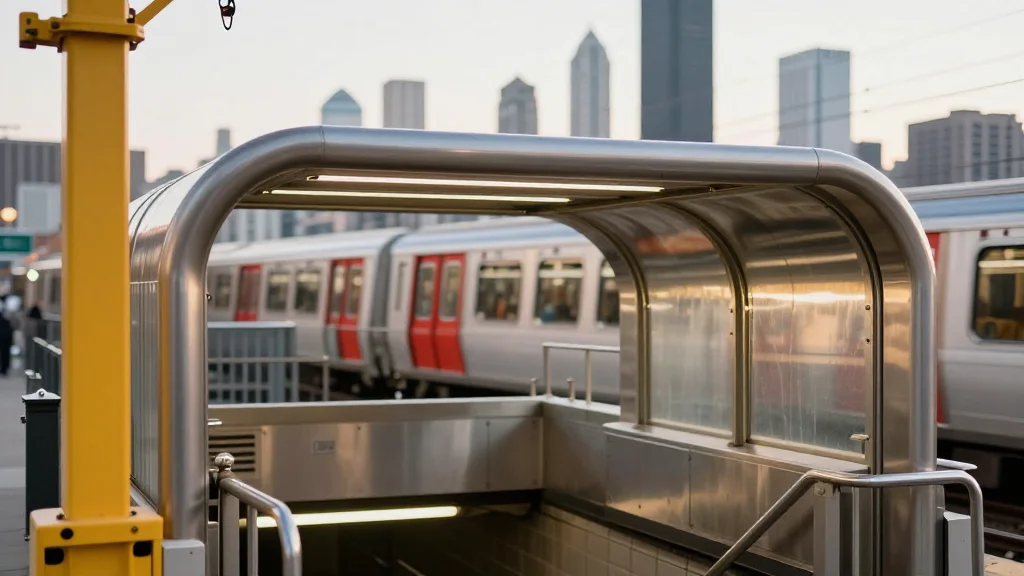
CTA Breaks Ground on $5.7 B Red Line Extension as Federal Funding Hangs in Balance

Why It Matters
The Red Line extension is more than a transit upgrade; it is a catalyst for economic revitalization on Chicago’s Far South Side, a region that has long lacked rapid‑transit access. By cutting commute times by up to 30 minutes, the project can expand the labor pool for downtown employers and attract new businesses to the corridor. Moreover, the funding dispute highlights how federal policy decisions can directly influence local infrastructure, setting a precedent for how cities navigate political risk when pursuing large‑scale public‑transport investments. The outcome of the June court ruling will signal whether federal authorities will continue to leverage funding as a political tool. A favorable decision could unlock the $2 billion needed to keep the project on schedule, while an adverse ruling may force the CTA to seek alternative financing, potentially inflating costs and delaying benefits for residents who have waited decades for expanded service.
Key Takeaways
- •CTA broke ground on the first Red Line extension station at 115th St., marking the start of a $5.7 B project.
- •Federal grant of $2 B was frozen in October; a judge lifted the freeze temporarily, with a June ruling pending.
- •Construction will generate >12,500 jobs; the completed line will make 25,000 jobs more accessible to South Side residents.
- •The extension adds four stations (103rd, 111rd, 115th, 130th) and aims for a 2030 opening.
- •Mayor Brandon Johnson and CTA boss Nora Leerhsen emphasized the project’s role in correcting historic transit inequities.
Pulse Analysis
The Red Line extension illustrates the growing intersection of infrastructure, equity, and federal politics. Historically, Chicago’s transit expansions have been incremental, often delayed by funding shortfalls. This project, however, is a bold, $5.7 B commitment that directly addresses a decades‑old service gap on the Far South Side, a move that aligns with broader national trends toward equitable transit investment. The political friction over the $2 billion grant underscores a new reality: federal dollars are increasingly subject to ideological scrutiny, especially when projects incorporate diversity‑focused contracting.
From a market perspective, the extension could stimulate a wave of private development along the new corridor, similar to the transit‑oriented growth seen around the Loop and Near North Side. Real‑estate investors will likely monitor the June court decision closely, as a reinstated grant would solidify the project’s financial foundation and reduce risk premiums on related commercial loans. Conversely, a prolonged funding gap could force the CTA to tap municipal bonds or public‑private partnerships, potentially reshaping the financing model for future transit projects.
Looking ahead, the CTA’s ability to maintain construction momentum despite funding uncertainty will be a litmus test for other cities seeking large‑scale transit upgrades in a polarized political climate. If Chicago succeeds, it could embolden other municipalities to pursue ambitious projects, leveraging local political will and legal avenues to safeguard federal support. If not, the delay could reinforce caution among city leaders, prompting a shift toward smaller, less politically exposed initiatives.
CTA Breaks Ground on $5.7 B Red Line Extension as Federal Funding Hangs in Balance
Comments
Want to join the conversation?
Loading comments...