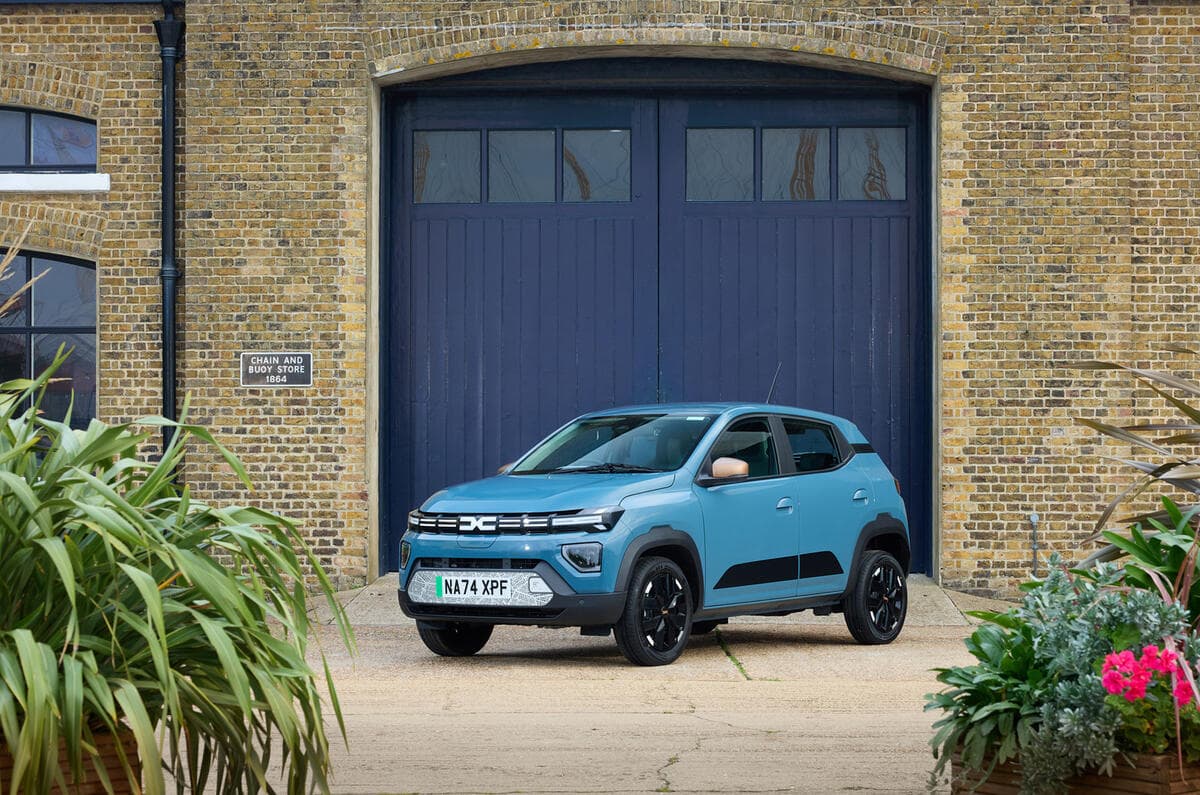
Dacia to Launch Four EVs by 2030 Including £16k Twingo Sibling and Sandero
•March 10, 2026
0
Why It Matters
The move positions Dacia as a low‑cost EV leader, pressuring rivals in the budget segment and strengthening Renault Group’s volume growth as electric adoption accelerates.
Key Takeaways
- •Sub‑£16,000 EV based on Twingo launching 2024.
- •Electric Sandero joins lineup, multi‑energy powertrain option.
- •Dacia plans total of four EVs by 2030.
- •Hybrid share target rises from 25% to 66%.
- •Cost advantage claimed at 15% versus rivals.
Pulse Analysis
Dacia’s aggressive electrification plan reflects a broader industry shift toward affordable electric mobility. By repurposing the Renault Twingo’s architecture onto the AmpR Small platform, the brand can deliver a sub‑£16,000 EV without sacrificing essential range, positioning it below most mainstream city cars. This price point taps into a price‑sensitive demographic that has traditionally shunned EVs due to cost, potentially expanding the market’s overall size and prompting competitors to reconsider pricing strategies.
The upcoming electric Sandero illustrates Dacia’s commitment to platform flexibility. Built on Renault’s CMF‑B chassis, the model will support pure‑combustion, hybrid, and full‑electric powertrains, allowing the brand to adapt quickly to regional emissions regulations and consumer preferences. With a projected range exceeding 160 miles and a price tag under €18,000, the electric Sandero could become the benchmark for value‑driven hatchbacks, challenging rivals such as the Peugeot 208 and Volkswagen Polo in the cost‑conscious segment.
Beyond individual models, Dacia’s strategy leverages a disciplined design‑to‑cost philosophy that claims a 15% cost advantage over rivals. Coupled with a robust hybrid rollout—targeting a two‑thirds hybrid fleet—the brand aims to boost its share of the lucrative C‑segment from one‑fifth to a third of sales. High owner retention rates, currently above 70%, suggest that this value‑focused approach could deepen brand loyalty while delivering volume growth for the Renault Group as Europe accelerates toward stricter emissions targets.
Dacia to launch four EVs by 2030 including £16k Twingo sibling and Sandero
0
Comments
Want to join the conversation?
Loading comments...