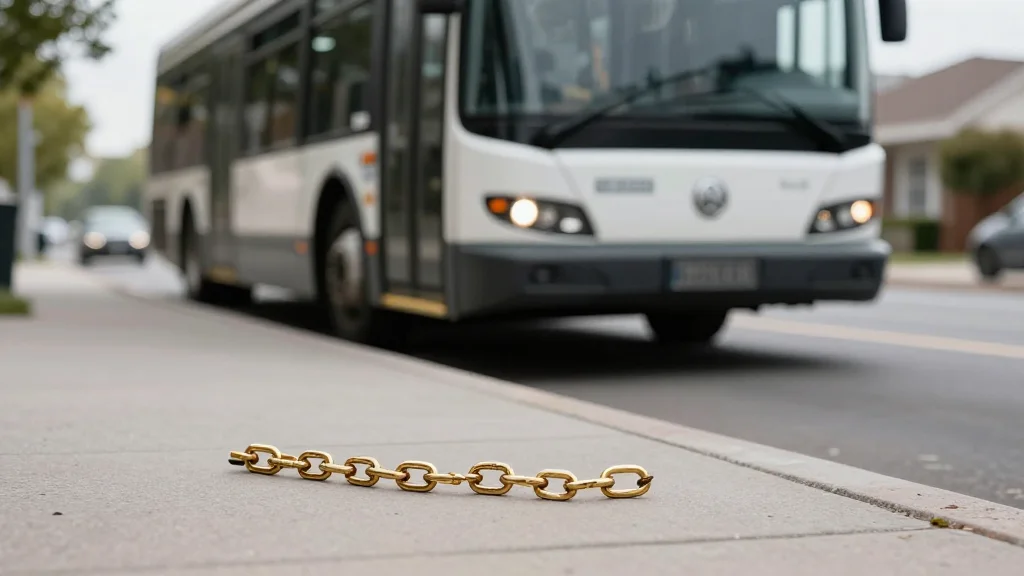
Dallas Suburb Exits Regional Transit Agency
Why It Matters
The loss reduces DART’s funding base, pressuring its expansion plans and prompting a reassessment of regional financing models. It also signals growing voter skepticism toward sales‑tax‑funded transit in affluent suburbs.
Key Takeaways
- •Highland Park contributed $6.3M sales tax, received $1.9M services 2023.
- •1,076 of 1,544 voters rejected DART membership in May 2024 election.
- •DART faces $270M revenue loss over 20 years from Highland Park exit.
- •One DART bus route will still traverse Highland Park without stops.
- •Six cities considered withdrawal; only Highland Park actually left DART.
Pulse Analysis
Dallas Area Rapid Transit has long relied on a 1 percent sales‑tax from its member municipalities to fund a sprawling bus and rail network across North Texas. The model, praised for spreading costs across affluent suburbs, faced scrutiny when DART announced a partial tax‑revenue return to members in early 2024. That concession prompted three of the six cities slated for a vote to cancel their elections, but Highland Park proceeded and ultimately rejected continued participation, highlighting a tension between regional mobility goals and local fiscal priorities.
The financial impact of Highland Park’s departure is stark. The suburb contributed about $6.3 million in sales‑tax revenue while receiving only $1.9 million in transit services in 2023, a disparity that voters cited as justification for the exit. DART estimates a $270 million loss over the next 20 years, a hit that could delay planned service expansions and force the agency to renegotiate cost‑sharing agreements with remaining members. The agency’s leadership turnover—most recently the termination of President and CEO Nadine Lee—adds uncertainty as DART searches for a new chief to steer the organization through this fiscal crunch.
Highland Park’s vote may serve as a bellwether for other affluent enclaves weighing the value of regional transit against local tax burdens. If additional municipalities follow suit, DART could confront a fragmented funding landscape, prompting a shift toward alternative revenue streams such as state grants or public‑private partnerships. For commuters, the immediate effect is reduced service options, but the longer‑term consequence could be a reimagined governance structure that balances regional connectivity with municipal autonomy, reshaping North Texas’s transportation future.
Dallas suburb exits regional transit agency
Comments
Want to join the conversation?
Loading comments...