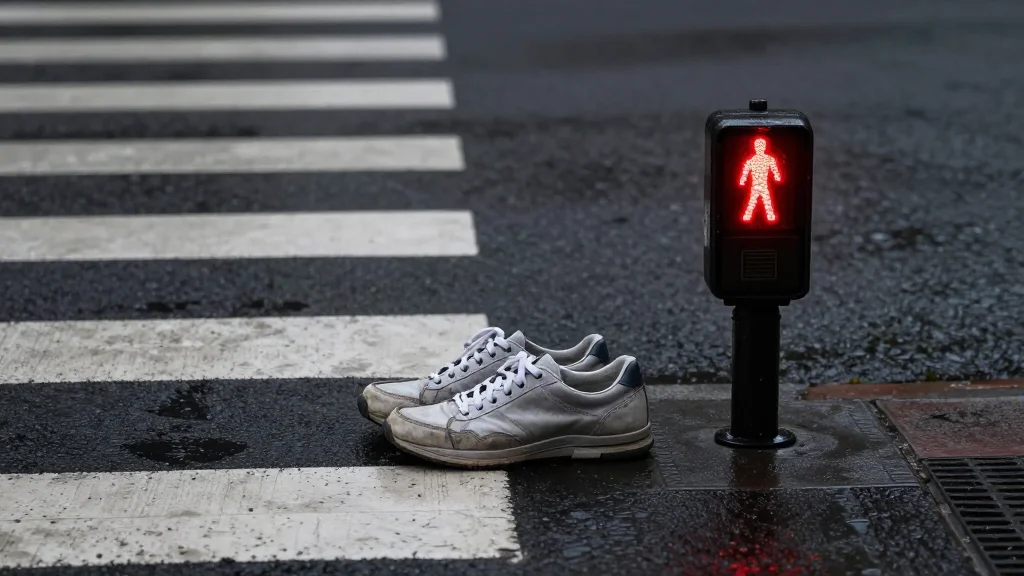
'Dangerous by Design' 2026 Report Highlights 72% Increase in Pedestrian Deaths Since 2009
Why It Matters
The steep rise in pedestrian deaths signals urgent shortcomings in U.S. road‑safety policy, threatening public health and jeopardizing Vision Zero ambitions. Stakeholders must act now to reverse a trend that outstrips demographic and travel‑volume growth.
Key Takeaways
- •Pedestrian fatalities rose 72% from 2009 to 2024.
- •2024 deaths exceed any year since 1982, except 2021‑2023.
- •Fatality rate climbed from 3.52 to 5.5 per 100,000.
- •Modest 3.9% drop 2023‑24 still above 2019 levels.
- •High‑risk regions now see rates 57% higher than 2009.
Pulse Analysis
The "Dangerous by Design" 2026 report paints a stark picture: pedestrian deaths have surged 72% over the past 15 years, a trajectory that eclipses the modest growth in U.S. population and vehicle‑miles‑travelled. While a 3.9% dip between 2023 and 2024 offers a glimmer of hope, the absolute number of fatalities remains higher than any year since the early 1980s, underscoring that short‑term improvements can mask a deeper, systemic crisis. This disconnect highlights the need for a data‑driven reassessment of road‑safety strategies at the federal, state, and municipal levels.
Geographically, the risk is not evenly distributed. Regions that once posted fatality rates of 3.52 per 100,000 now register 5.5, a 57% increase that aligns with the report’s warning that the most dangerous corridors are becoming deadlier. These hotspots undermine the Vision Zero framework, which aims to eliminate traffic deaths through engineering, enforcement, and education. The widening disparity suggests that existing policies—such as speed‑limit adjustments and pedestrian‑friendly zoning—are either insufficiently implemented or poorly targeted, leaving vulnerable communities exposed.
Addressing the upward trend demands a multi‑pronged approach. Cities must prioritize street redesigns that slow traffic, expand protected walkways, and integrate advanced sensor technologies in autonomous vehicles to detect pedestrians more reliably. Federal funding should be earmarked for evidence‑based interventions, while public‑private partnerships can accelerate the rollout of smart‑infrastructure solutions. If policymakers act decisively, the United States can begin to close the gap between its safety aspirations and the grim reality documented in the 2026 report.
'Dangerous by Design' 2026 report highlights 72% increase in pedestrian deaths since 2009
Comments
Want to join the conversation?
Loading comments...