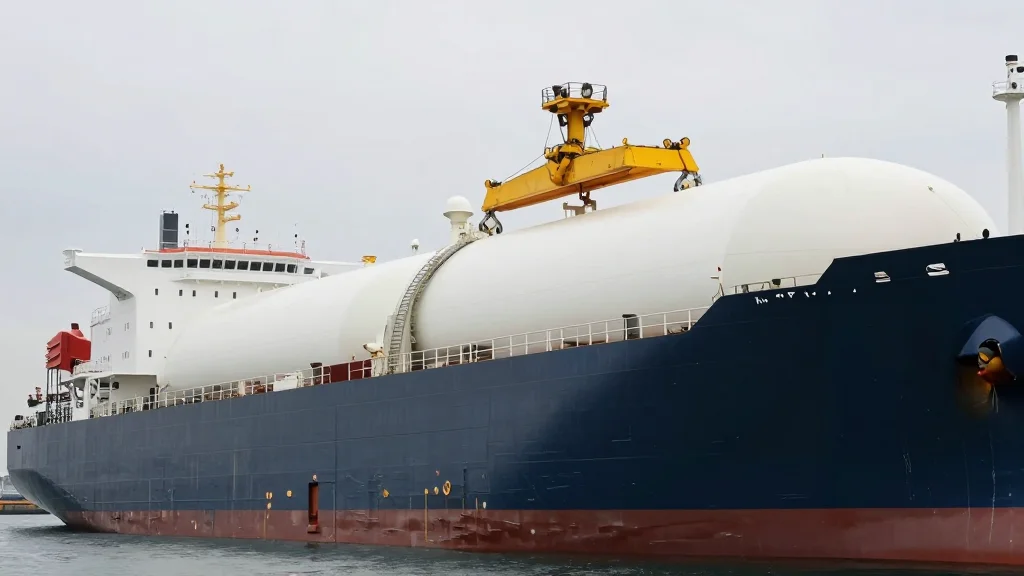
Danish Shipyard Under Pressure over Repair Work on Russian LNG Carriers
Companies Mentioned
Why It Matters
The issue underscores the growing regulatory risk for maritime service providers linked to Russian energy trade, potentially reshaping European ship repair markets. Reputational and legal pressures may force firms to reassess client portfolios ahead of the EU ban.
Key Takeaways
- •Fayard shipyard continues repairs on Russian LNG carriers despite upcoming EU ban
- •EU law will bar services for vessels carrying Russian cargo starting 2027
- •NGO Urgewald launches summer campaign against Fayard over Russian LNG repairs
- •Reputational risk may jeopardize Fayard’s business with Western partners
Pulse Analysis
The European Union’s tightening sanctions on Russia’s energy sector have placed maritime service providers in a delicate position. While the ban on supplying repair services to vessels carrying Russian cargo will not take effect until 2027, the policy signals a clear intent to isolate Russia’s LNG supply chain. Shipyards across Europe are assessing the compliance implications, as the EU seeks to prevent indirect support for Russian revenues derived from liquefied natural gas exports. This regulatory shift reflects broader geopolitical efforts to diminish Russia’s ability to fund its military operations through energy sales.
Fayard, a Danish repair facility with a reputation for handling complex LNG carriers, has become a focal point of criticism. By continuing work on Russian vessels, the yard is perceived as flouting the spirit of upcoming sanctions, prompting Urgewald—a watchdog group focused on climate and conflict—to launch a targeted campaign this summer. The NGO’s strategy includes media outreach and stakeholder engagement aimed at pressuring Fayard’s customers and investors to reconsider their ties. Such activism can quickly translate into reputational damage, especially for firms that rely on Western contracts and financing.
The fallout could reverberate throughout the European ship repair industry. Companies may preemptively suspend services to Russian-linked clients to safeguard market access and avoid legal exposure. This proactive compliance could accelerate a shift toward alternative markets, such as Asian shipyards, which may not face the same regulatory constraints. For Fayard, the immediate challenge is balancing short‑term revenue from Russian contracts against long‑term viability in a market increasingly defined by ESG considerations and strict sanction regimes.
Danish shipyard under pressure over repair work on Russian LNG carriers
Comments
Want to join the conversation?
Loading comments...