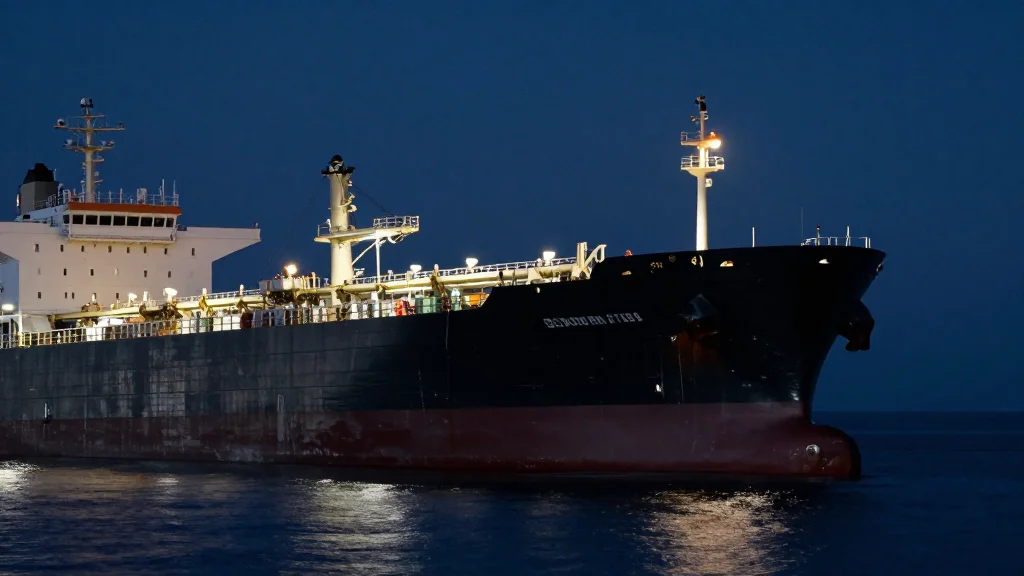
'Dark' Transits Through Strait of Hormuz Increase
Companies Mentioned
Why It Matters
Unseen oil movements can mask supply‑side shifts, influencing global crude prices and risk assessments for traders and insurers. The evolving diplomatic backdrop could quickly alter shipping routes and market dynamics in the world’s most critical oil chokepoint.
Key Takeaways
- •Dark transits suggest actual Hormuz traffic exceeds AIS data
- •Kiara M moved 2 M barrels, likely exited with AIS off
- •Kuwait marketed 4 M barrels to Asia, bypassing tracking records
- •U.S. blockade redirected 134 ships, disabling one tanker
- •Diplomatic talks hint at possible Iran deal, affecting regional stability
Pulse Analysis
The rise of "dark" transits in the Strait of Hormuz reflects a growing reliance on AIS evasion tactics as vessels seek to avoid detection amid heightened geopolitical tension. Maritime analytics firms, such as Windward, flag that ships like the Kiara M can carry millions of barrels while remaining invisible to conventional tracking, complicating real‑time assessments of oil flow. This opacity not only challenges regulators but also forces market participants to rely on indirect indicators, such as port reports and satellite imagery, to gauge supply fundamentals.
Kuwait's decision to sell roughly 4 million barrels of crude directly to Chinese and South Korean refiners marks a strategic shift that could ease regional supply constraints, even as official transit counts stay muted. Valued at about $320 million, these cargoes suggest that actual oil volumes moving through Hormuz may be higher than reported, supporting a modest upward pressure on global crude inventories. Traders monitoring the market are therefore adjusting price models to account for potential hidden supply, while refiners weigh the benefits of securing cargoes that bypass traditional monitoring channels.
Diplomatic overtures, highlighted by President Donald Trump's remarks on a near‑term Iran deal, add another layer of uncertainty. A resolution could reduce the U.S. naval blockade that has already redirected over a hundred commercial vessels and led to the disabling of an Iranian‑linked tanker. Should tensions ease, shipping lanes may reopen, restoring transparent AIS data and stabilizing freight rates. Conversely, any setback could reinforce the incentive for vessels to go dark, perpetuating a cycle of limited visibility and heightened risk premiums across the maritime insurance and logistics sectors.
'Dark' Transits Through Strait of Hormuz Increase
Comments
Want to join the conversation?
Loading comments...