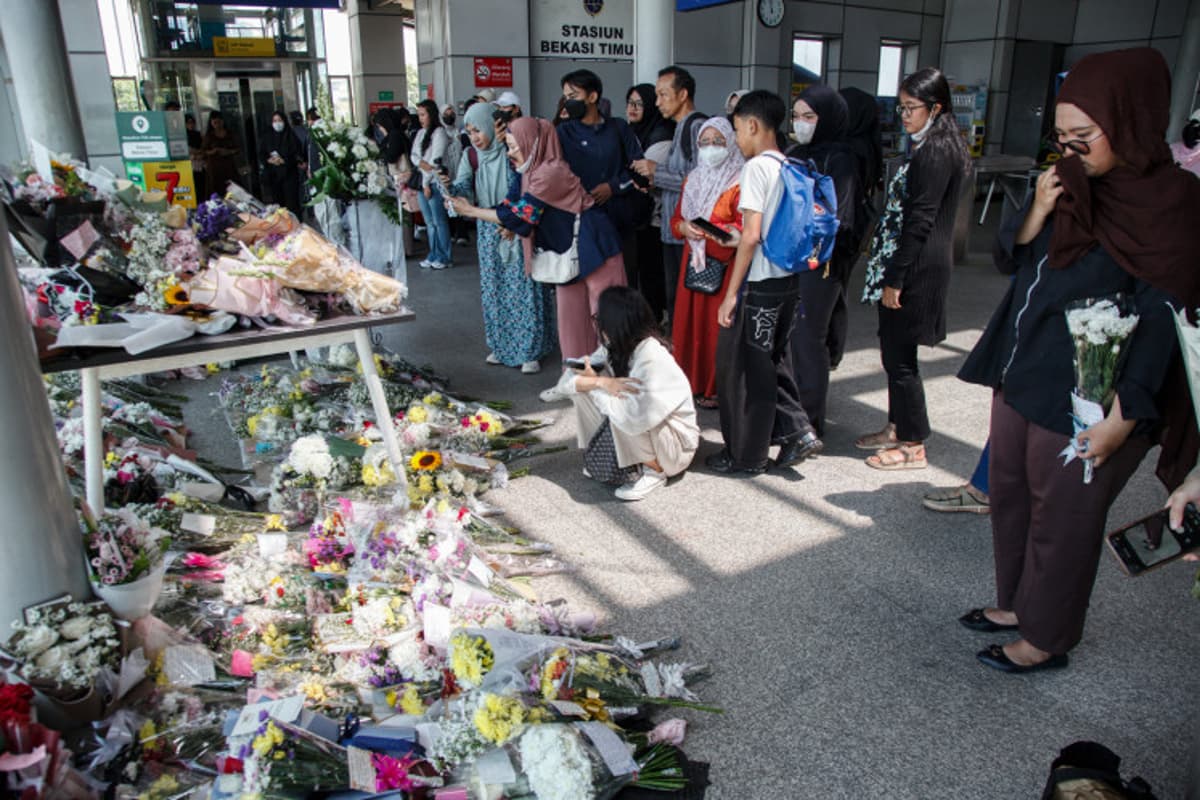
Deadly Train Crash: Vulnerability of the Working Class
Why It Matters
The incident reveals how infrastructure shortcomings amplify social inequality, as vulnerable commuters face heightened safety hazards. It pressures policymakers to prioritize safety and resilience in public‑transport planning, not just capacity.
Key Takeaways
- •16 women killed, 90 injured at Bekasi Timur Station crash
- •Stalled electric taxi, signaling delays, weak crossing controls caused crash
- •Commuting costs consume large share of low‑income workers’ earnings
- •Working‑class commuters face higher safety risks from infrastructure gaps
- •Calls for safety‑first transport policy grow after Indonesia tragedy
Pulse Analysis
Indonesia’s rail network carries millions daily, but the May 4 crash at Bekasi Timur Station laid bare the hidden fragility of that lifeline. The collision, which claimed 16 lives—all women—and left dozens more wounded, occurred during the peak commuting window when workers from peripheral suburbs converge on Jakarta’s economic hub. For many low‑income Indonesians, long, costly rides are a non‑negotiable part of earning a livelihood, making them especially vulnerable when safety protocols falter.
Investigations point to a cascade of failures: an electric taxi stalled at an unguarded level crossing, train‑signaling systems lagged, and informal crossing management reflected fragmented governance. Such overlapping technical and institutional lapses are not unique to this incident; similar patterns have emerged in past Southeast Asian rail accidents, where rapid expansion outpaces safety upgrades. The lack of robust crossing barriers and real‑time coordination amplifies risk, particularly for commuters who cannot afford alternative transport modes.
Beyond the immediate tragedy, the crash ignites a broader debate on transport equity. When safety investments prioritize high‑density corridors over peripheral lines, the working class bears the brunt of neglect. Policymakers now face pressure to embed safety‑first standards, modernize signaling, and enforce strict crossing controls. Aligning infrastructure upgrades with social‑impact assessments could reduce the disproportionate exposure of vulnerable commuters, fostering a more resilient and inclusive mobility ecosystem in Indonesia.
Deadly train crash: Vulnerability of the working class
Comments
Want to join the conversation?
Loading comments...