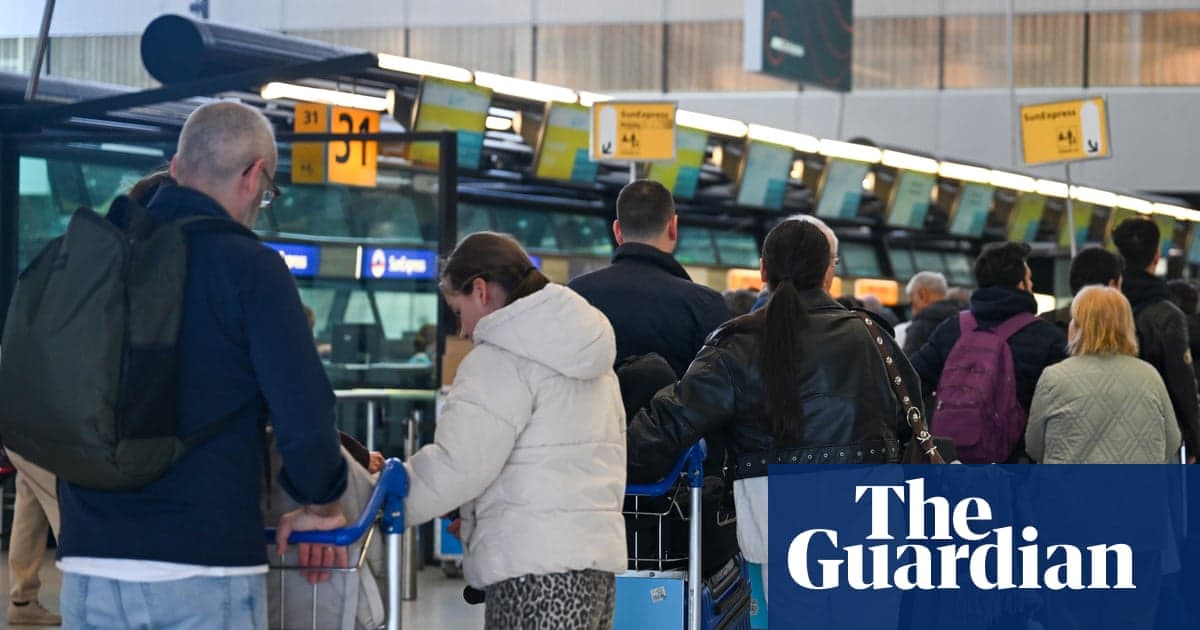
Delays From New EU Border System May Not ‘Stabilise’ for Two Years, Official Says
Companies Mentioned
Why It Matters
Prolonged EES implementation risks eroding consumer confidence in European travel, potentially reducing tourism revenues and straining airline capacity during peak season. The situation also tests the EU’s ability to coordinate large‑scale border technology rollouts across diverse national infrastructures.
Key Takeaways
- •EES rollout causing hours‑long queues at major EU airports
- •Stabilisation expected within one to two years, per Frontex director
- •Some states suspending biometric checks to avoid summer travel chaos
- •British holiday bookings pressured by EES delays and rising living costs
- •On the Beach shares down 30% amid booking uncertainty
Pulse Analysis
The European Entry/Exit System, introduced in October 2025 and fully operational as of April 2026, replaces manual passport checks with a digital platform that records non‑EU visitors' biometric data. While the technology promises faster re‑entries for repeat travelers, the initial enrolment process—capturing fingerprints and facial images—has overwhelmed border staff, especially at high‑traffic hubs like Schiphol and Heathrow. National agencies vary in readiness; those that allocated dedicated resources report smoother flows, whereas others still struggle, prompting ad‑hoc suspensions of the biometric step to keep queues manageable.
Travel operators are feeling the ripple effects. British holiday‑maker confidence is waning as EES‑induced delays intersect with broader economic pressures, including higher jet‑fuel prices spurred by the Middle East conflict and squeezed household budgets. ABTA’s chief executive warned that the uncertainty could depress demand for EU destinations, while On the Beach’s stock has slumped 30% after investors flagged later‑booking trends and reduced cash flow. Airlines, though largely maintaining schedules, are bracing for potential revenue gaps if passengers defer trips or switch to non‑EU markets.
The longer‑term implications extend beyond tourism. The EU’s ability to harmonise border controls is a litmus test for deeper integration, and prolonged instability may fuel political criticism of Frontex’s oversight. Moreover, the temporary suspension provisions, set to expire in September, could force a hard reset just as summer peaks, compelling member states to either accelerate staffing and technology upgrades or risk a repeat of this year’s chaos. Stakeholders across the travel ecosystem will be watching closely to see whether the system can achieve the promised efficiency gains without compromising the seamless movement that underpins Europe’s tourism economy.
Delays from new EU border system may not ‘stabilise’ for two years, official says
Comments
Want to join the conversation?
Loading comments...