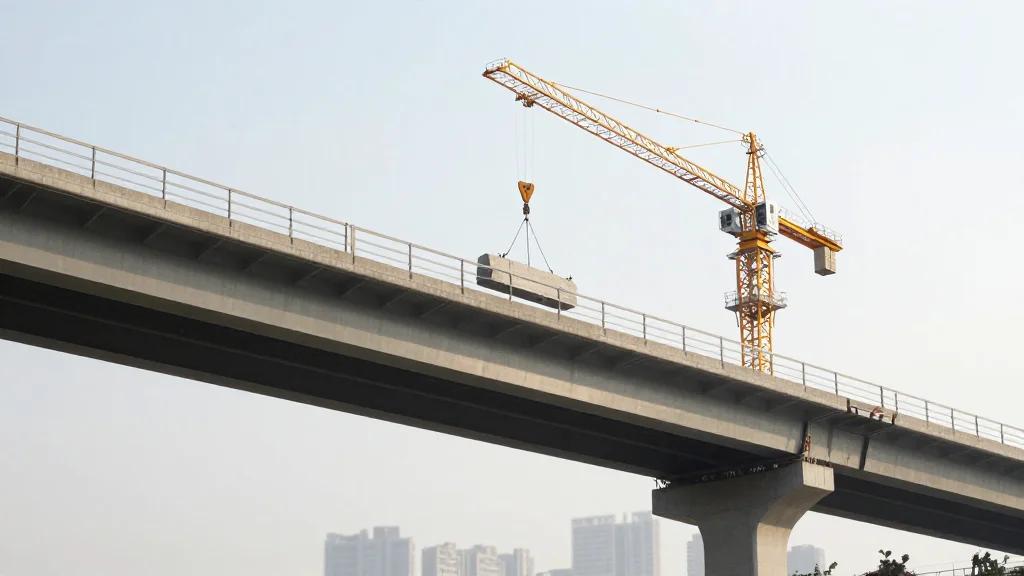
Delhi CM Rekha Takes Stock of Metro and Flyover Projects; Says Will Help Ease Congestion
Why It Matters
Accelerating metro and flyover delivery will ease chronic congestion, boost productivity, and support Delhi’s growing population and economic activity. The infrastructure push also signals sustained public‑private investment in urban mobility.
Key Takeaways
- •Phase IV metro expansion 80% complete, adding 104 km of track.
- •Six major metro corridors slated for December 2026 completion.
- •Double‑decker Azadpur‑Tripolia flyover 73% finished, serving metro and road traffic.
- •South Delhi flyovers progress 40‑85%, targeting congestion relief.
- •Remaining Phase IV corridors aim for March 2029; Phase V(A) already launched.
Pulse Analysis
Delhi’s traffic woes have long plagued commuters and constrained economic growth, prompting successive governments to prioritize mass‑transit solutions. The Delhi Metro, now spanning 416 km with 303 stations, has become the backbone of the city’s public‑transport network. Phase IV, the latest expansion phase, is already 80% complete and will add over 100 km of new lines, linking underserved neighborhoods and creating 81 additional stations. This scale of investment reflects a broader shift toward integrated, high‑capacity transit that can accommodate the capital’s projected 30‑million‑plus population by 2035.
The current rollout focuses on six strategic corridors—Krishna Park to Deepali Chowk, Majlis Park to Derawal Nagar, and others—targeted for operational status by the end of 2026. Simultaneously, the government is fast‑tracking flyover projects that complement the metro’s reach. The 2.16‑km double‑decker flyover, designed to carry both metro tracks and road traffic, is 73% complete, while a 1.40‑km flyover near Yamuna Vihar is 85% finished. In South Delhi, a 2.48‑km six‑lane flyover and associated underpasses are progressing, aiming to decongest the heavily trafficked MB Road corridor. These multimodal links are intended to create seamless transfers between rail and road, reducing bottlenecks at key junctions.
The implications extend beyond smoother commutes. Faster, reliable transit attracts commercial investment, lifts property values, and improves labor market efficiency by shrinking travel times. Moreover, the phased timeline—remaining Phase IV corridors by March 2029 and the initiation of Phase V(A) projects—signals a long‑term commitment to sustainable urban mobility. As Delhi continues to grapple with air‑quality concerns and rising vehicle ownership, the accelerated delivery of metro and flyover infrastructure will be a critical lever for economic resilience and environmental stewardship.
Delhi CM Rekha takes stock of metro and flyover projects; says will help ease congestion
Comments
Want to join the conversation?
Loading comments...