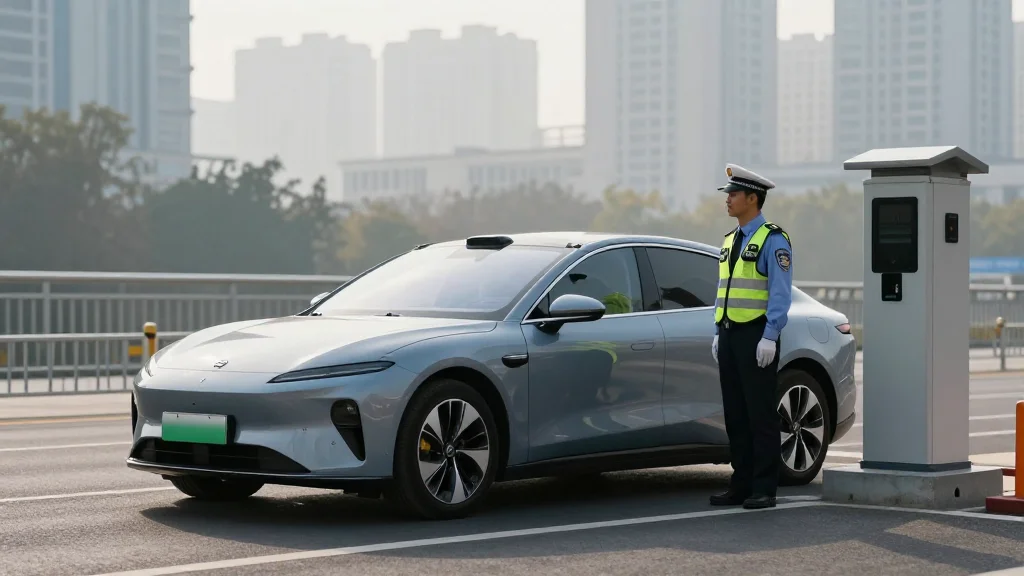
Delhi Govt Tightens 'No PUC, No Fuel' Rule, Data Shows over 15K Vehicles Denied Fuel in Four Days
Why It Matters
Stricter enforcement pressures non‑compliant drivers to obtain PUC certificates, directly reducing vehicular emissions and supporting Delhi’s broader air‑pollution mitigation strategy.
Key Takeaways
- •15,678 vehicles denied fuel in four days across Delhi, Noida
- •Daily denials ranged from 3,525 to 4,235 vehicles
- •Rule 115 mandates PUC renewal after one year registration
- •Enforcement targets Delhi’s chronic air‑quality crisis
- •Drivers risk fines and operational delays without valid PUC
Pulse Analysis
Delhi’s air‑quality woes have long been tied to its dense traffic and aging vehicle fleet. The “no PUC, no fuel” rule, first rolled out in October 2025, obliges every vehicle to present a valid Pollution Under Control certificate after its first year on the road. By tightening on‑ground checks at fuel stations, the state aims to close a loophole that allowed thousands of non‑compliant cars to circulate unchecked, a factor that has historically contributed to the city’s seasonal smog spikes.
The recent data—15,678 fuel refusals over a four‑day window—highlights both the scale of non‑compliance and the government’s resolve. For drivers, the immediate impact is a potential loss of revenue and the risk of fines if they cannot produce a current PUC. Fuel stations, meanwhile, are tasked with verifying certificates, adding a layer of operational responsibility. Early indicators suggest that the heightened scrutiny may spur a surge in PUC testing appointments, creating short‑term bottlenecks but promising longer‑term compliance gains.
Beyond Delhi, the enforcement signals a broader shift in India’s environmental policy landscape, where state governments are increasingly leveraging existing traffic regulations to meet national climate commitments. Cities like Mumbai and Bengaluru have piloted similar measures, but Delhi’s aggressive rollout could set a benchmark for nationwide adoption. As the capital moves toward cleaner air, stakeholders—from logistics firms to private motorists—will need to adapt, investing in regular emissions testing and potentially upgrading older vehicles to meet stricter standards.
Delhi govt tightens 'no PUC, no fuel' rule, data shows over 15K vehicles denied fuel in four days
Comments
Want to join the conversation?
Loading comments...