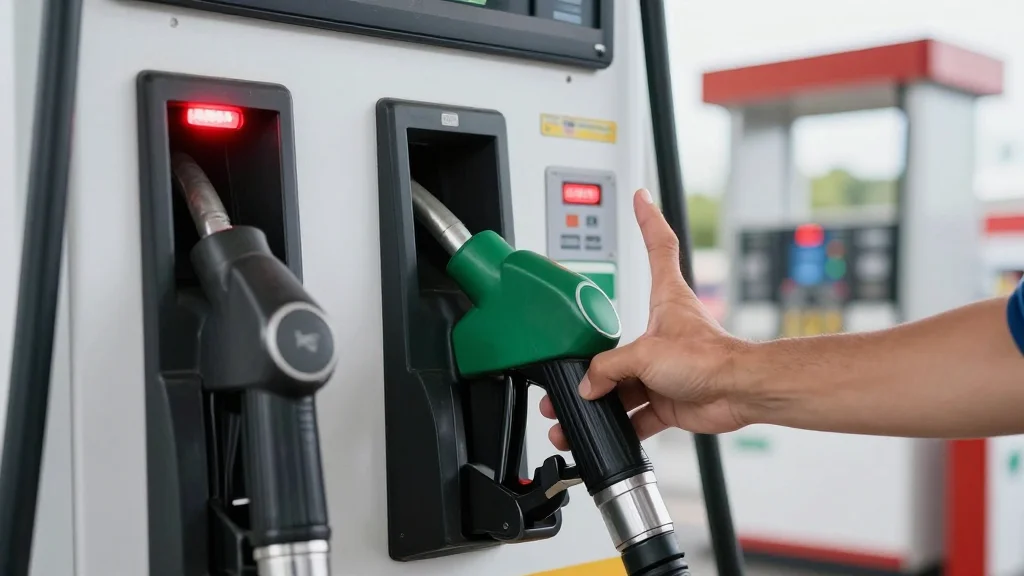
Delhi Govt to Permanently Enforce ‘No Fuel without Valid PUC’ Rule at Petrol Pumps
Why It Matters
Enforcing the PUC rule directly tackles a major source of Delhi’s smog, compelling owners to maintain emissions standards and signaling stricter regulatory oversight for polluting vehicles.
Key Takeaways
- •Delhi mandates fuel only with valid PUC, enforcing permanent rule
- •Violations may lead to vehicle seizure and maximum penalties
- •All petrol pumps and gas outlets must verify PUC certificates
- •Multiple agencies, including traffic police, tasked with enforcement
- •Rule aligns with CAQM's Graded Response Action Plan to curb pollution
Pulse Analysis
Delhi’s air quality has hovered among the world’s worst for years, with vehicular emissions contributing a sizable share of particulate matter and nitrogen oxides. By making the "no fuel without valid PUC" rule permanent, the state government is shifting from periodic crackdowns to a continuous compliance model. This approach leverages existing legal frameworks—namely the Central Motor Vehicles Rules of 1989—and integrates them with the Commission for Air Quality Management’s Graded Response Action Plan, which categorises pollution spikes and prescribes escalating measures. The policy’s success hinges on real‑time verification at fuel stations, a step that could dramatically reduce the number of uncertified, high‑emitting vehicles on Delhi’s roads.
Implementation will be overseen by a coalition of agencies: the Food and Supplies Department, the Transport Department, the Municipal Corporation of Delhi, and the traffic police. Each is tasked with monitoring petrol pumps, issuing citations, and, where necessary, seizing offending vehicles. The threat of maximum penalties serves as a deterrent, but it also raises operational challenges for small fuel retailers who must train staff and install verification tools. Industry observers predict a surge in demand for certified emission testing services, as owners scramble to renew certificates before facing service denial.
Beyond Delhi, the policy could set a precedent for other Indian metros grappling with similar pollution crises. A permanent, enforceable PUC requirement may encourage the adoption of on‑board diagnostics and digital certification, streamlining compliance and reducing administrative friction. Moreover, the move aligns with India’s broader climate commitments under the Paris Agreement, signaling that sub‑national governments are willing to take decisive action. If successful, the rule could catalyse a market shift toward cleaner vehicle technologies and reinforce the economic case for stricter emissions standards nationwide.
Delhi govt to permanently enforce ‘no fuel without valid PUC’ rule at petrol pumps
Comments
Want to join the conversation?
Loading comments...