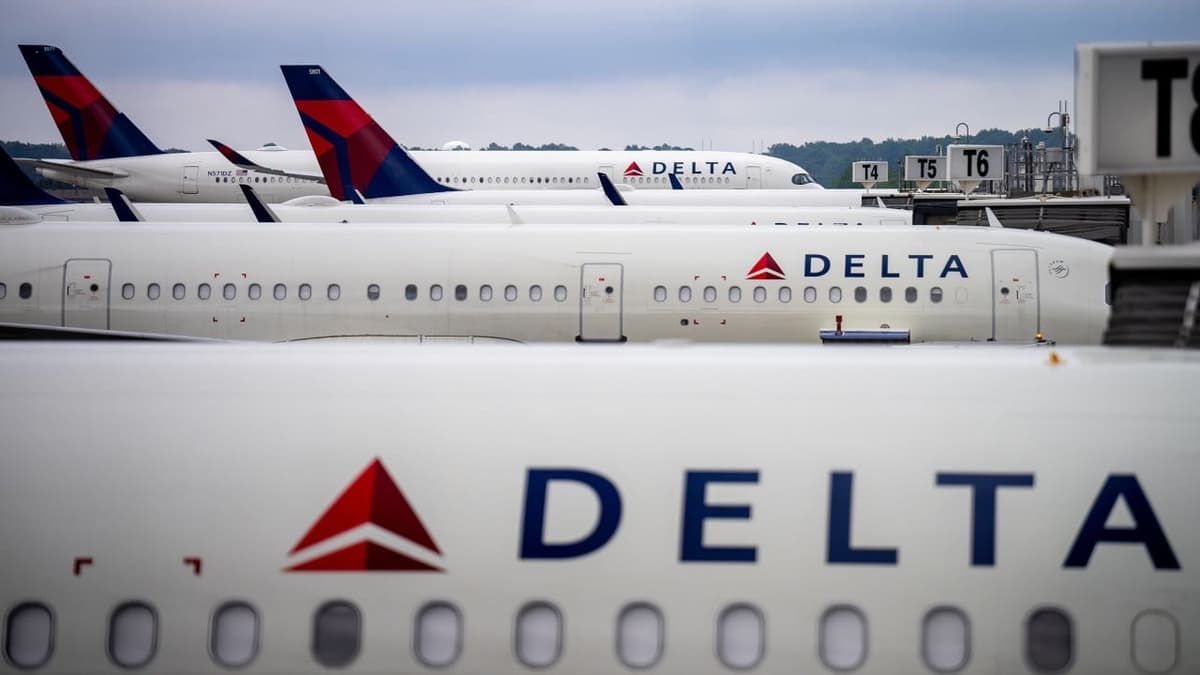
Delta Air Lines Adds Shanghai Flights Amid Thaw in China-US Economic Relations
Why It Matters
The additional flights signal airlines’ confidence that improving diplomatic ties will translate into higher business and leisure demand, strengthening Delta’s trans‑Pacific network. It also intensifies competition among U.S. carriers for limited China slots.
Key Takeaways
- •Delta adds two weekly Shanghai‑Los Angeles flights in October.
- •Total Delta China‑US routes rise to 19 weekly flights.
- •China’s flight cap allows up to 50 round‑trip US services.
- •Improved US‑China ties may boost business and tourism travel.
Pulse Analysis
The resurgence of U.S.-China diplomatic dialogue is reshaping trans‑Pacific aviation. After a year of tariff disputes, both governments have signaled a willingness to normalize trade, prompting regulators in Beijing to maintain a 50‑flight cap for foreign airlines. This ceiling, unchanged since 2024, creates a scarce resource that carriers scramble to secure. Delta’s decision to add two Shanghai‑Los Angeles frequencies reflects a strategic bet that demand will outpace the current supply, especially as Chinese outbound tourism rebounds from pandemic lows.
For Delta, expanding its China footprint strengthens its position as America’s second‑largest carrier by seat capacity. The airline now operates 19 weekly China‑U.S. flights, a notable increase that narrows the gap with United’s Beijing and Shanghai services. By targeting Los Angeles—a major gateway for both business travelers and Chinese diaspora—Delta aims to capture higher‑yield passengers and diversify revenue streams. The move also pressures rivals to seek additional slots or enhance product offerings, potentially sparking a wave of schedule adjustments across the Pacific corridor.
Beyond airline economics, the added capacity could catalyze broader commercial activity. Analysts at ING note that while immediate demand spikes may be modest, sustained diplomatic goodwill often precedes a surge in corporate travel, conference attendance, and tourism spending. As U.S. firms explore new supply‑chain opportunities in China, reliable air links become essential. Likewise, Chinese tourists, who historically favor the West Coast, are likely to increase visits as travel restrictions ease. In this environment, Delta’s expanded service positions it to benefit from the next phase of U.S.-China economic integration.
Delta Air Lines adds Shanghai flights amid thaw in China-US economic relations
Comments
Want to join the conversation?
Loading comments...