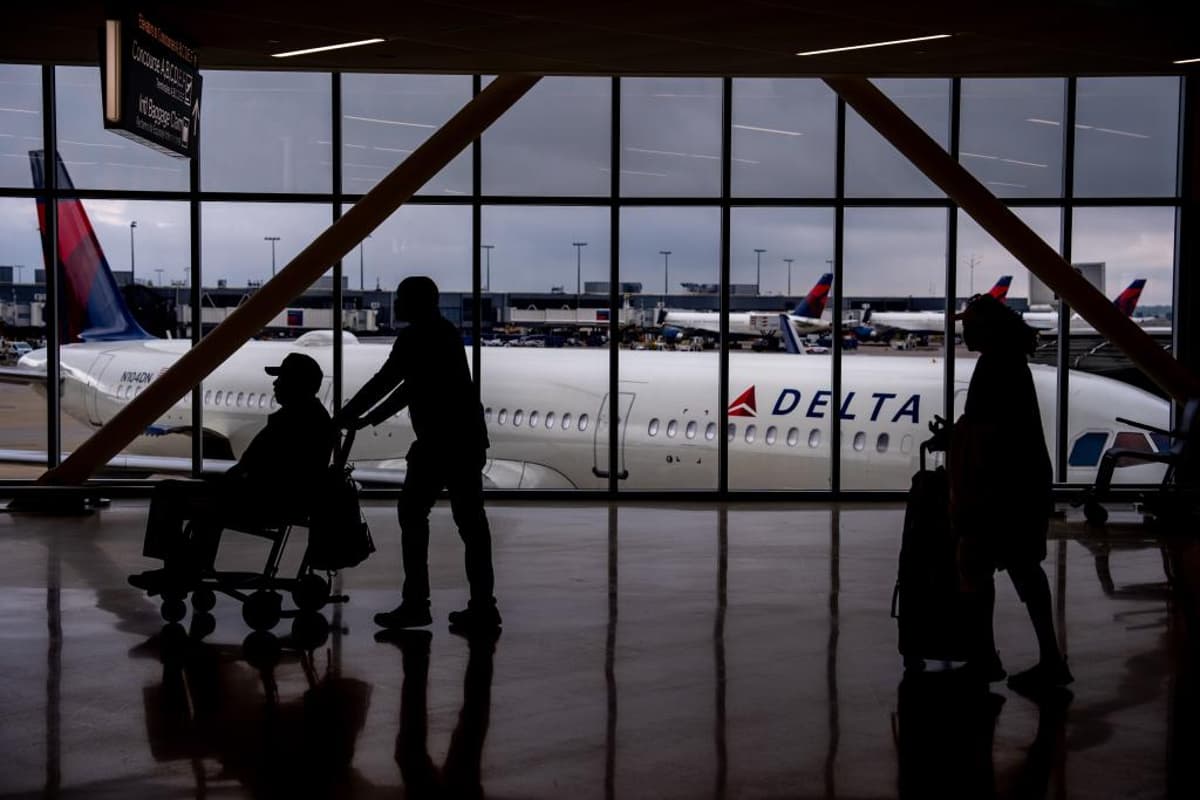
Demand Trends Under US Airline Scrutiny Amid Uncertainty in the Middle East - the Delta Perspective
Why It Matters
The outlook signals how geopolitical risk is reshaping revenue strategies for U.S. airlines, influencing earnings forecasts and capacity planning. Investors and industry players must gauge whether current pricing and capacity choices will sustain profitability amid uncertain demand.
Key Takeaways
- •Delta reports strong passenger demand in Q1 2026 despite Middle East conflict.
- •Airlines raised fares to offset rising jet‑fuel costs.
- •No major capacity cuts; operators monitor volatility closely.
- •Cautious approach aims to capture post‑war travel rebound.
Pulse Analysis
The protracted conflict in the Middle East has injected a new layer of uncertainty into the global travel ecosystem, prompting airlines worldwide to reassess demand elasticity. While some regions have seen sharp declines, the United States continues to exhibit resilient passenger numbers, driven by a mix of domestic leisure travel and business itineraries that are less sensitive to geopolitical shocks. This backdrop forces carriers to weigh short‑term revenue protection against the risk of alienating price‑sensitive travelers.
Delta’s first‑quarter briefing underscores a strategic pivot: rather than slashing seats, the airline has leaned on fare adjustments to shield margins against record‑high jet‑fuel prices, which have risen by roughly 15% year‑over‑year. By maintaining existing capacity, Delta preserves market share and positions itself to capitalize on pent‑up demand once hostilities subside. The airline’s data also reveal that premium cabin bookings remain strong, suggesting that higher‑income travelers are less deterred by geopolitical risk and more responsive to price signals.
For investors, the nuanced approach signals a potential upside if the conflict de‑escalates, as airlines can quickly scale up operations without the lag of re‑adding aircraft or crew. However, the strategy also carries risk; sustained fuel price pressure could erode profit margins if fare hikes outpace consumer willingness to pay. Stakeholders should monitor fuel hedging effectiveness, capacity utilization trends, and any regulatory responses that could alter the competitive landscape. In sum, the current cautious yet opportunistic stance may define the profitability trajectory for U.S. carriers through the remainder of 2026.
Demand trends under US airline scrutiny amid uncertainty in the Middle East - the Delta perspective
Comments
Want to join the conversation?
Loading comments...