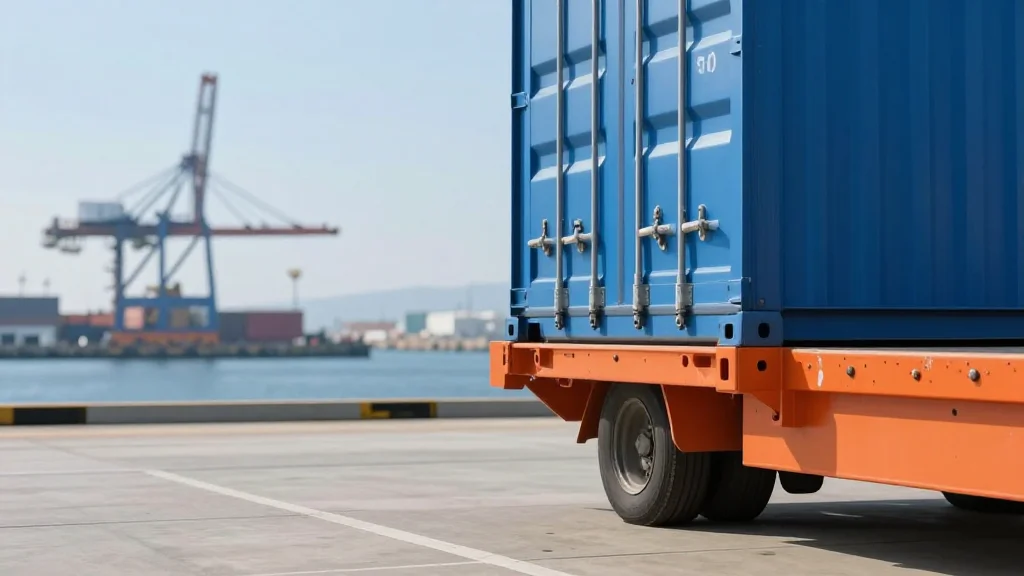
Demise of ‘Pool of Pools’ Marks New Chassis Era in Southern California
Why It Matters
Chassis availability is a bottleneck for port throughput; the breakup could reshape pricing and logistics strategies for West Coast shippers.
Key Takeaways
- •Pool of Pools fell from 80,000 to 25,000 chassis since 2015
- •TRAC’s June 1 exit ends the longest‑running chassis cooperative in SoCal
- •Flexi‑Van, DCLI and TRAC pledge adequate chassis for 2026 peak
- •Potential shift toward individual leasing may raise trucker costs
Pulse Analysis
The Pool of Pools was created in 2015 to pool chassis resources among intermodal equipment providers, smoothing demand spikes at the nation’s busiest gateways. At its height, the consortium managed roughly 80,000 chassis, allowing carriers to pull equipment on short notice and reducing empty‑haul inefficiencies. Over the past decade, the pool’s inventory has contracted to about 25,000 units, reflecting a mix of market consolidation, evolving carrier preferences, and the rise of digital chassis‑tracking platforms that enable more precise allocation.
TRAC Intermodal’s decision to exit the pool on June 1 signals a strategic pivot toward proprietary chassis management. While the move dissolves the last vestige of a shared‑resource model, the remaining providers—DCLI and Flexi‑Van—have publicly committed to maintaining chassis availability for the 2026 peak season. Their assurances hinge on leveraging existing inventories, expanding leasing contracts, and deploying real‑time telemetry to match chassis with truck arrivals. Industry observers note that this could spur competitive pricing for chassis rentals, as carriers weigh the trade‑off between pooled access and direct leasing arrangements.
Looking ahead, the end of the Pool of Pools may accelerate a broader shift toward decentralized chassis solutions, including on‑demand rentals and third‑party logistics platforms that promise greater flexibility. Shippers and drayage firms will need to monitor rental rates and contract terms closely, as any supply shortfall could ripple through port congestion metrics and ultimately affect import‑export timelines. The transition also opens space for technology firms to introduce AI‑driven forecasting tools, helping ports and carriers anticipate chassis demand more accurately and mitigate the risk of bottlenecks in future peak periods.
Demise of ‘Pool of Pools’ marks new chassis era in Southern California
Comments
Want to join the conversation?
Loading comments...