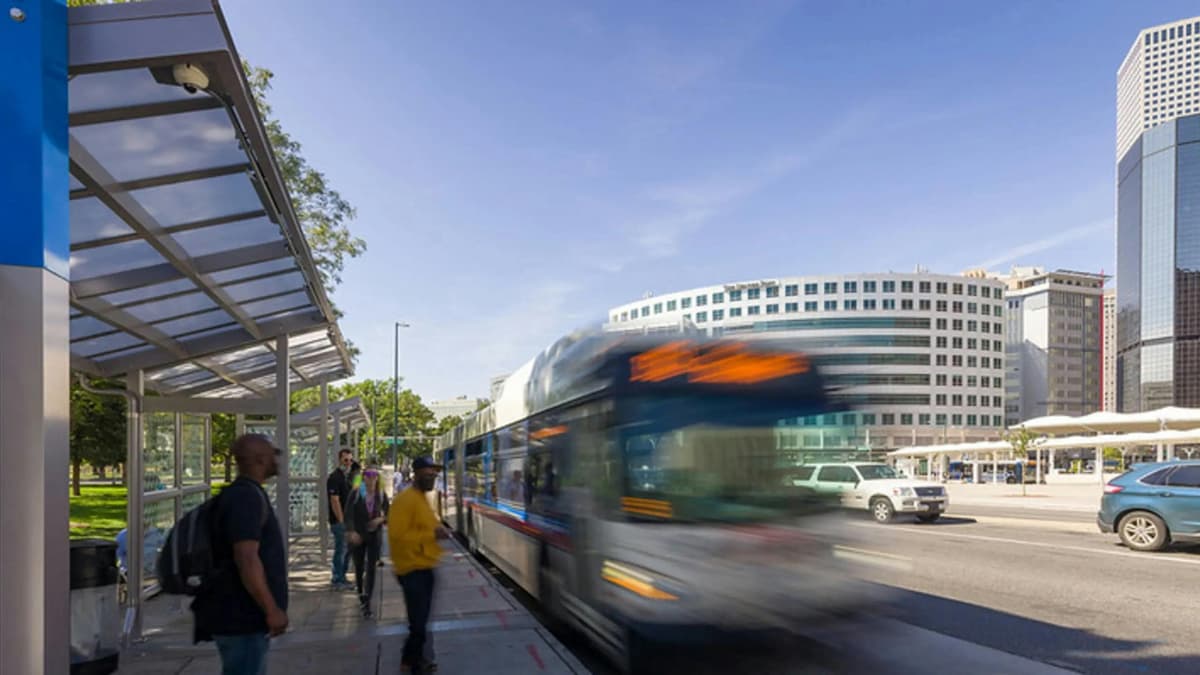
Denver RTD’s Latest Customer, Community Surveys Show Improvement in Transit Services
Why It Matters
Higher satisfaction and NPS signal stronger ridership loyalty, supporting revenue growth and justifying future transit investments. The gains position Denver RTD as a benchmark for U.S. transit agencies seeking to improve service quality and community relevance.
Key Takeaways
- •Bus satisfaction rose to 82%, up 6 points YoY.
- •Rail on-time arrival improved 26%, surpassing national benchmarks.
- •Combined NPS reached +50, a 13‑point increase from last year.
- •90% of respondents say RTD adds community value.
- •Paratransit NPS hits +57, outperforming bus and rail scores.
Pulse Analysis
Denver’s Regional Transportation District (RTD) has leveraged its sixth consecutive annual survey to demonstrate measurable progress in public‑transit performance. By employing a customer‑intercept methodology, the agency captured real‑time feedback from riders on buses, commuter rail, light rail, and paratransit services. The data reveal a 15‑percent boost in bus punctuality and a striking 26‑percent jump for light‑rail timeliness, pushing RTD well ahead of the national average in 15 of 16 rail categories. Such improvements are reflected in rising satisfaction rates—82% for bus users and 87% for rail patrons—indicating that operational tweaks are resonating with riders.
Beyond punctuality, the survey’s Net Promoter Score (NPS) offers a compelling narrative of customer advocacy. The combined NPS of +50 marks a 13‑point rise from the previous year and a 37‑point leap since 2024, dwarfing the typical U.S. transit NPS of –16 for buses and –3 for rail. Paratransit services posted an even higher NPS of +57, underscoring RTD’s success in serving mobility‑impaired riders. High NPS scores correlate with increased ridership loyalty, which can translate into steadier fare revenue and stronger case support for federal and state funding.
Looking forward, RTD’s emphasis on community value—highlighted by 90% of respondents—aligns with broader sustainability goals. The agency’s role in reducing traffic congestion, lowering emissions, and providing equitable access to employment and education positions it as a model for other metropolitan transit systems. Continued innovation, such as expanding Access‑on‑Demand and integrating multilingual support, will be critical to maintaining momentum and scaling these gains across the nation’s transit landscape.
Denver RTD’s latest customer, community surveys show improvement in transit services
Comments
Want to join the conversation?
Loading comments...