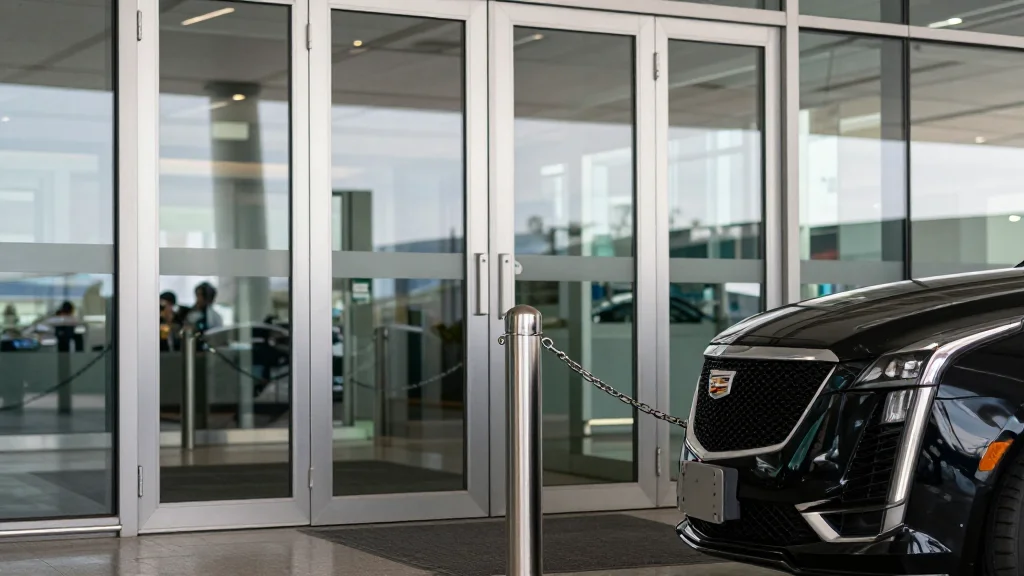
Detroit Metro Airport Adds New Barriers After Second Vehicle Crash Into Terminal Doors

Why It Matters
The back‑to‑back crashes at Detroit Metro Airport highlight a critical vulnerability in the security architecture of major U.S. transportation hubs. As airports grapple with the dual imperatives of protecting passengers and complying with the Americans with Disabilities Act, the Detroit incidents could set a precedent for how other facilities evaluate and upgrade their perimeter defenses. A failure to address these gaps may expose airports to safety risks, legal challenges, and costly retrofits, while a successful redesign could become a model for balancing security with accessibility nationwide. Beyond the immediate safety concerns, the events have financial implications. Upgrading permanent bollards and redesigning terminal approaches can run into the tens of millions of dollars, potentially affecting airport budgets, fare structures, and federal funding allocations. Moreover, the public perception of airport safety can influence traveler confidence and, by extension, airline revenues and regional economic activity.
Key Takeaways
- •Two vehicle crashes into Detroit Metro Airport terminals in 2026 (January Mercedes, May Cadillac)
- •New temporary barriers installed at most terminal entrances and exits on May 30
- •Airport spokeswoman Erica Donerson cited plans for permanent bollards and barriers
- •Security experts Robert Miller and Josh Copen warned that ADA‑required spacing creates exploitable gaps
- •Potential multi‑million‑dollar redesign needed to reconcile security with accessibility
Pulse Analysis
The Detroit Metro Airport incidents expose a systemic tension between regulatory compliance and operational security that many U.S. transportation facilities face. While the ADA mandates a minimum 36‑inch gap between barriers to accommodate wheelchairs, that same clearance can become a loophole for vehicle intrusions, especially when drivers exploit curb‑over‑run maneuvers. The airport’s quick deployment of temporary barriers is a classic reactive measure—effective for immediate optics but unlikely to deter a determined attacker.
Historically, major airports have relied on fixed, heavy-duty bollards that meet both security and accessibility standards, often after high‑profile breaches such as the 2016 attempted car attack at Brussels Airport. Detroit’s reliance on temporary solutions suggests budgetary constraints or a lack of pre‑existing design foresight. The forthcoming permanent solution will need to reconcile federal safety guidelines, the Transportation Security Administration’s recommendations, and the ADA’s accessibility requirements—a complex engineering challenge that could drive innovation in modular, crash‑worthy barrier systems.
From a market perspective, the incidents may accelerate demand for specialized security infrastructure firms. Companies like Trident Industrial Systems, represented by Josh Copen, stand to benefit if airports adopt more robust, compliant barrier designs. Conversely, the financial outlay could pressure airport authorities to seek additional funding, potentially through state bonds or federal grants, which may affect fare structures or delay other capital projects. In the broader transportation ecosystem, Detroit’s experience serves as a cautionary tale: security upgrades must be proactive, integrated into design phases, and adaptable to evolving threat vectors, lest airports continue to play catch‑up after each breach.
Detroit Metro Airport adds new barriers after second vehicle crash into terminal doors
Comments
Want to join the conversation?
Loading comments...