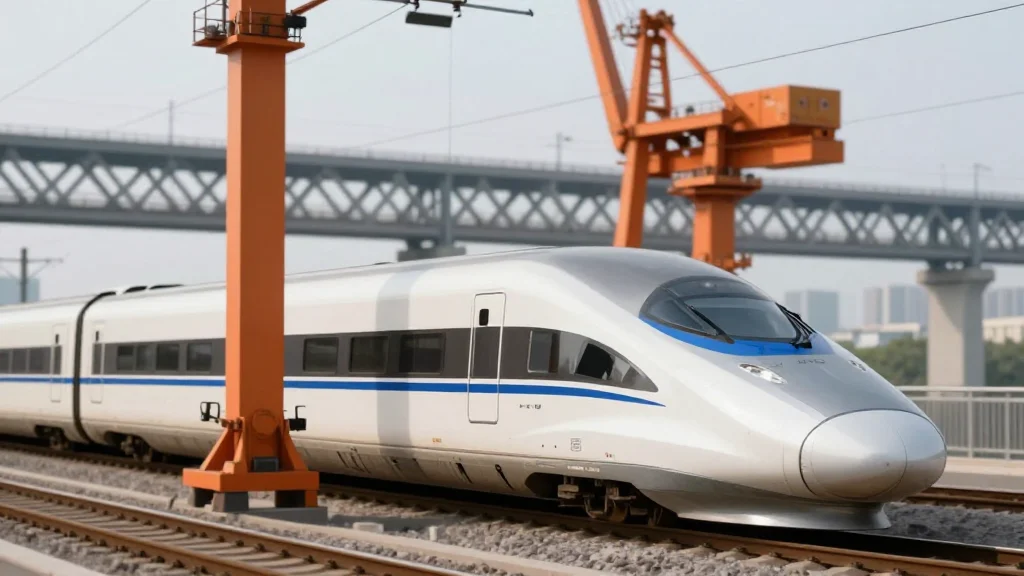
DfTO Director Concerned About Length of £2bn HS2 Trains
Why It Matters
Train length decisions directly impact HS2’s ability to capture intercity traffic and deliver the capacity gains needed for projected revenue and regional development.
Key Takeaways
- •£2 bn (£2.6 bn) HS2 train contract awarded to Hitachi‑Alstom.
- •Current eight‑coach, 200 m trains may not fit some HS2 platforms.
- •Gibb proposes 10‑coach trains to match existing Pendolino capacity.
- •DfT confirms contract unchanged, focusing on overall project cost control.
- •Capacity shortfall could limit passenger growth and revenue potential.
Pulse Analysis
The United Kingdom’s high‑speed rail flagship, HS2, recently secured a £2 bn (approximately $2.6 bn) contract with Hitachi‑Alstom for a fleet of 54 eight‑coach, 200‑metre trains. The order, finalized after a protracted tender and legal challenges, mirrors a standard European train length but is designed to operate as coupled 16‑coach sets on the Birmingham‑London corridor. While the procurement promises modern rolling stock, the fixed dimensions have sparked debate over whether the vehicles will fit the newly built platforms and serve broader network needs.
Former DfT non‑executive director Chris Gibb warned that the eight‑coach configuration may fall short of capacity requirements on legacy routes such as the West Coast Main Line, where 11‑coach Pendolinos currently run. He argues that replacing those with shorter trains could leave seats unavailable on day one, undermining the business case that projects an 80 % passenger increase before HS2 opens. Gibb’s alternative – a mix of ten‑coach units or strategic train‑splitting – aims to match Pendolino seat numbers while preserving platform compatibility.
The Department for Transport has publicly stated the contract remains unchanged, emphasizing that HS2 will still deliver “improved capacity, connectivity and reliability.” Nonetheless, the dispute highlights a broader risk: misaligned rolling‑stock specifications can inflate operational costs and erode projected revenue, estimated at over £1 bn (about $1.3 bn) annually from intercity services. Industry observers suggest that a contract variation or flexible design clause could mitigate these issues, while investors watch closely for any cost‑adjustments that might affect the programme’s financial outlook.
DfTO director concerned about length of £2bn HS2 trains
Comments
Want to join the conversation?
Loading comments...