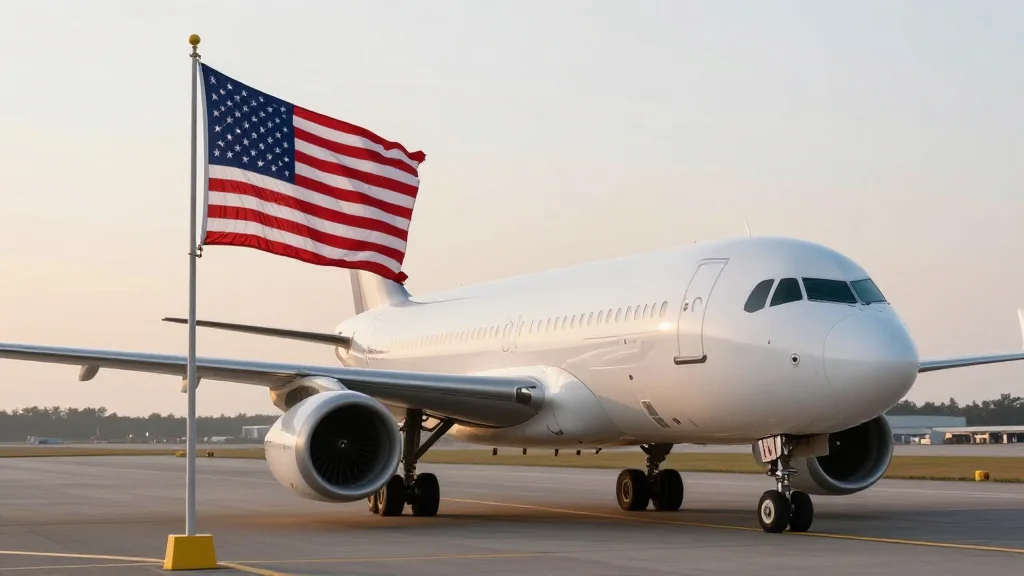
DHS Proposal to Block Flights to Sanctuary Cities Sparks Airline Outcry

Why It Matters
If enacted, the DHS proposal would upend the established network of international air routes that underpin U.S. tourism, trade and labor mobility. By targeting major airports in sanctuary jurisdictions, the plan could force airlines to reroute flights to less‑optimal hubs, increasing fuel costs, flight times and passenger inconvenience while disrupting time‑critical cargo shipments. Beyond immediate operational headaches, the move raises fundamental questions about the balance of federal immigration enforcement and the Commerce Clause, which guarantees free interstate and international trade. A precedent that allows the executive branch to restrict air service based on local immigration policies could invite legal challenges and set a volatile standard for future policy interventions across other sectors.
Key Takeaways
- •Homeland Security Secretary Markwayne Mullin proposes removing CBP agents from sanctuary city airports and rerouting international flights
- •Airlines for America calls the plan a ‘devastating effect’ on airlines and tourism
- •U.S. Travel Association warns the removal would cause ‘immediate and lasting harm’
- •Transportation Secretary Sean Duffy says the proposal ‘doesn’t make sense’ and seeks more context
- •Potential legal challenges could arise under the Commerce Clause and aviation regulations
Pulse Analysis
The DHS proposal represents an unprecedented attempt to weaponize immigration enforcement against specific geographic markets, a strategy that could destabilize the airline industry's highly integrated network. Historically, the Federal Aviation Administration and the Department of Transportation have guarded against politically motivated disruptions to air service, recognizing that airlines operate on thin margins and rely on predictable access to global hubs. By targeting airports that serve as gateways for both passenger and cargo traffic, the plan threatens to erode the United States’ competitive advantage in global logistics, potentially shifting cargo volumes to neighboring countries with more stable regulatory environments.
From a market perspective, the backlash is not merely rhetorical. Airlines have already begun contingency planning, which could involve reallocating slots, renegotiating contracts with airport authorities, and adjusting fleet deployment—all actions that incur significant costs. Moreover, the proposal could accelerate the shift toward point‑to‑point models that bypass traditional hub‑and‑spoke systems, reshaping route economics for years to come. Investors are likely to scrutinize airline earnings forecasts for heightened volatility, while tourism-dependent regions may see a dip in inbound visitor spending if flight availability contracts.
Politically, the episode underscores the growing friction between federal immigration enforcement and state or local autonomy. Should the administration move forward, it will likely face lawsuits from affected municipalities and industry groups, echoing past battles over sanctuary city policies. The outcome will set a benchmark for how far the executive branch can go in linking immigration policy to broader economic levers, a question that will reverberate across sectors beyond transportation.
DHS Proposal to Block Flights to Sanctuary Cities Sparks Airline Outcry
Comments
Want to join the conversation?
Loading comments...