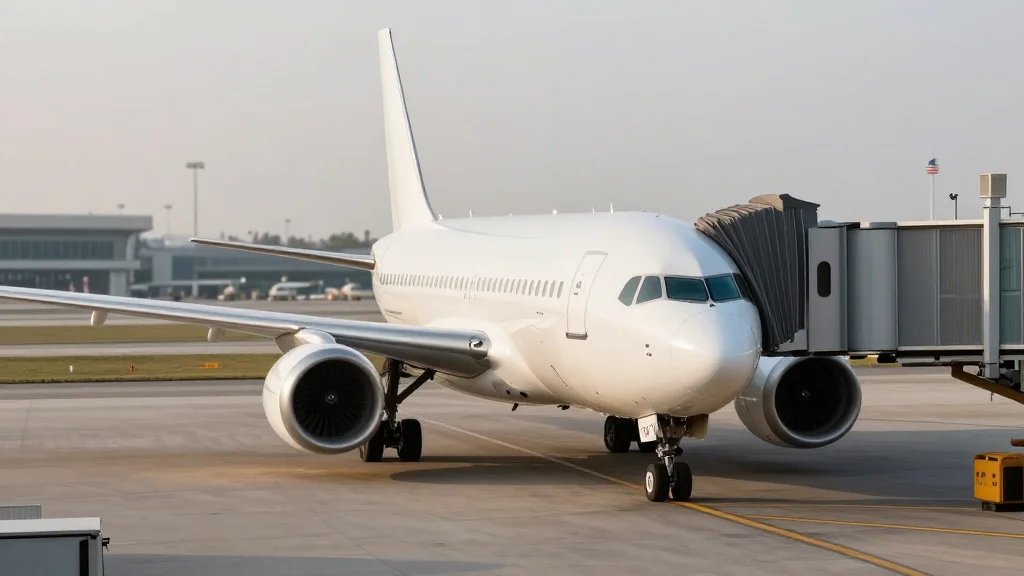
DHS Secretary Mullin Threatens to Halt Airport Processing in Sanctuary Cities

Why It Matters
The prospect of halting CBP processing at major airports highlights a dangerous precedent: using essential transportation infrastructure as a bargaining chip in partisan disputes. Beyond immediate flight delays, such a move would jeopardize the United States’ ability to secure its borders, protect supply chains, and maintain the reliability of a sector that underpins the national economy. If the threat materializes, it could trigger legal challenges, erode confidence among airlines and cargo operators, and force policymakers to clarify the limits of executive power over critical infrastructure. Furthermore, the episode illustrates how immigration enforcement debates can spill over into unrelated domains, amplifying economic risk. The aviation industry, already grappling with post‑pandemic recovery and geopolitical supply‑chain shocks, cannot absorb sudden operational disruptions without significant cost. The incident may also prompt a reevaluation of the legal frameworks governing the separation of federal immigration duties from state and local law‑enforcement policies, potentially reshaping the balance of power in future immigration and transportation policy debates.
Key Takeaways
- •DHS Secretary Markwayne Mullin warned he could suspend CBP processing at airports in sanctuary cities, targeting Newark Liberty International Airport.
- •Airline executives and the U.S. Travel Association warned the move would disrupt billions of dollars in passenger and cargo traffic.
- •The threat follows protests at the Delaney Hall ICE detention facility, where Senator Andy Kim was pepper‑sprayed.
- •Congressional committees have requested briefings and may issue subpoenas to DHS over the legality of the proposed shutdown.
- •Potential legal challenges could invoke the Airline Deregulation Act and raise national‑security concerns.
Pulse Analysis
Mullin’s airport threat is less about operational logistics than about signaling political resolve. By threatening to weaponize a core component of the nation’s transportation network, the DHS secretary is attempting to pressure local officials into tighter cooperation on immigration enforcement. Historically, federal agencies have avoided using infrastructure as leverage because it risks collateral damage to the economy and national security. The last comparable incident—an FAA‑DHS clash over anti‑drone testing that briefly shut down El Paso International—resulted in swift congressional rebuke and a reaffirmation of agency boundaries.
If Mullin proceeds, airlines will likely file lawsuits citing the Airline Deregulation Act, which shields carriers from politically motivated regulation. The legal battle could drag on, creating a prolonged period of uncertainty that would depress airline stock prices and push freight rates higher. Moreover, the ripple effect on supply chains could echo the pandemic‑era disruptions, inflating costs for manufacturers and consumers alike.
Politically, the episode may force the White House to clarify its stance. President Trump’s own transportation secretary, Sean Duffy, publicly opposed the idea, suggesting internal dissent within the administration. A congressional hearing could become a de‑facto referendum on the limits of executive power over transportation infrastructure, potentially leading to new legislation that explicitly bars the use of airport operations as political leverage. In the short term, the most likely outcome is a retreat by DHS, as the economic and legal costs outweigh any perceived political gain. However, the episode serves as a warning that future disputes could test the resilience of the United States’ transportation arteries in ways policymakers have not yet fully anticipated.
DHS Secretary Mullin Threatens to Halt Airport Processing in Sanctuary Cities
Comments
Want to join the conversation?
Loading comments...