Diagnosing Whether Your Car Needs New Spark Plug Wires Vs. Ignition Coils

Companies Mentioned
Why It Matters
Accurate identification prevents unnecessary part swaps and costly shop labor, directly impacting vehicle uptime and owner expenses. As ignition designs evolve, understanding both coil and wire diagnostics remains essential for effective maintenance.
Key Takeaways
- •Visual inspection reveals damaged wires or cracked coils
- •OBD‑II codes P0351‑P0358 point to coil circuit faults
- •Multimeter resistance test confirms wire or coil health
- •Misfires, rough idle, and poor fuel economy signal ignition issues
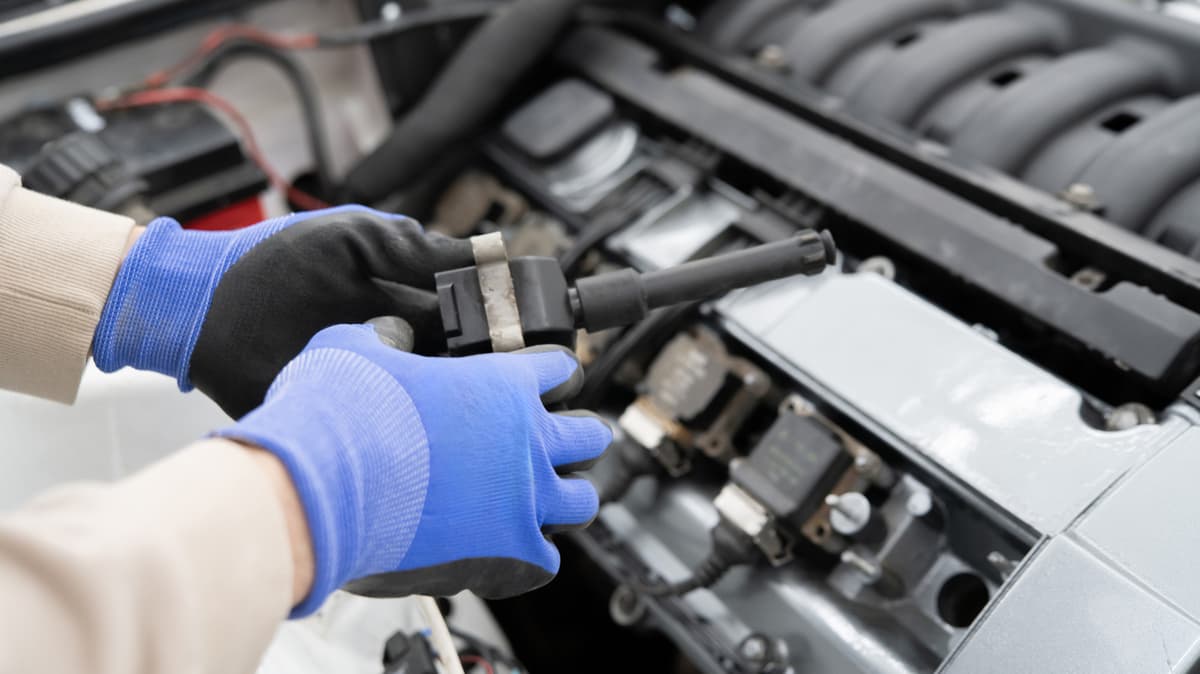
- •Coil‑on‑plug engines eliminate spark plug wires, simplifying diagnosis
Pulse Analysis
The ignition system is the heart of any internal‑combustion engine, delivering the spark that ignites the air‑fuel mixture. Older vehicles rely on a single ignition coil feeding a set of spark‑plug wires, while modern designs use a coil‑on‑plug (COP) layout with one coil per cylinder and no external wires. This architectural shift simplifies wiring but introduces a larger number of electronic components that can fail. Understanding the distinction between coil and wire failures is essential for anyone looking to keep a car running reliably.
Diagnosing the problem starts with a visual inspection: scorched insulation, cracked boots, or oil‑soaked wires are immediate red flags. If the vehicle is equipped with OBD‑II, pulling codes such as P0351‑P0358 quickly isolates a coil circuit fault. When codes are absent or the car lacks a COP system, a multimeter becomes the workhorse—measuring resistance against manufacturer specifications confirms whether a wire or coil is out of tolerance. Combining these checks with symptom patterns—misfires, rough idle, hard starts, and reduced fuel economy—narrows the culprit efficiently.
The practical payoff of accurate diagnosis is twofold: owners avoid costly shop labor and prevent unnecessary part replacement. A single faulty wire often costs under $30, while a coil can range from $80 to $200 depending on the make, translating to significant savings when the issue is identified correctly. As more manufacturers adopt COP architectures, the prevalence of wire‑related failures declines, but the sheer number of coils raises the overall failure probability. Staying versed in these diagnostic techniques equips DIY enthusiasts and service shops alike to maintain vehicle uptime in an increasingly electrified market.
Diagnosing Whether Your Car Needs New Spark Plug Wires Vs. Ignition Coils
Comments
Want to join the conversation?
Loading comments...