Direct China–U.S. Air Connections Show Signs of Recovery, But Remain Far Below Pre-Pandemic Levels
Companies Mentioned
Why It Matters
Restoring robust China‑U.S. air capacity is critical for tourism, cargo flows and a tangible barometer of bilateral economic engagement, influencing revenue streams for airlines, airports and related service sectors.
Key Takeaways
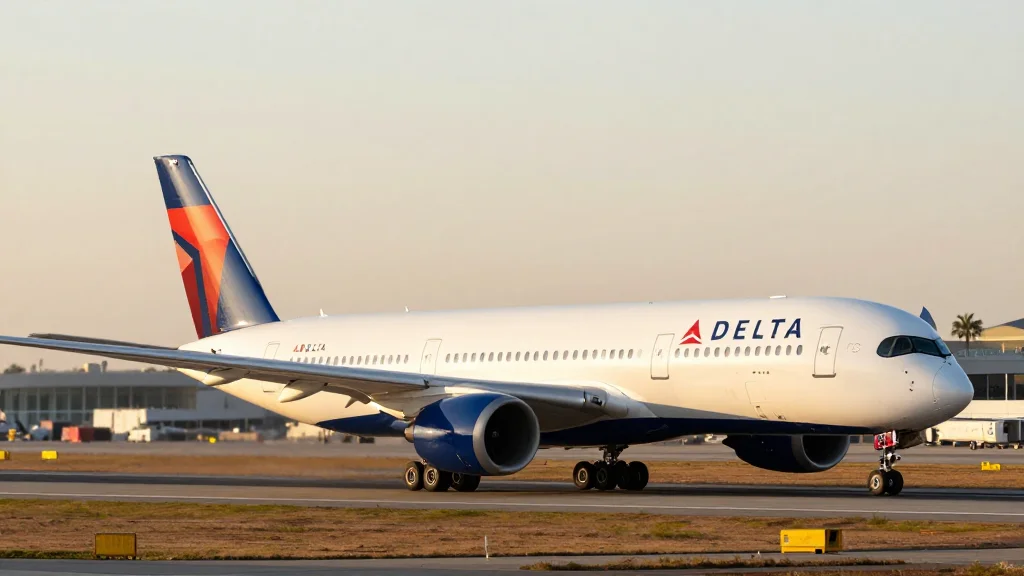
- •Delta launches daily LA‑Hong Kong A350 service, adding cargo capacity.
- •Direct China‑U.S. flights remain under 20% of 2019 weekly volume.
- •Hong Kong serves as primary hub linking mainland China to North America.
- •Geopolitical tensions and Russian airspace restrictions hinder U.S. carrier recovery.
- •Tourism and cargo growth depend on expanding trans‑Pacific flight capacity.
Pulse Analysis
The post‑pandemic landscape for China‑U.S. aviation is defined by a stark contrast between pre‑COVID vibrancy and today’s fragmented network. In 2019, more than 300 weekly passenger flights stitched together major gateways on both sides of the Pacific, supporting billions in trade and tourism. Current schedules, however, hover in the low‑double‑digits, reflecting not only lingering health‑related hesitancy but also a complex web of regulatory approvals, higher fuel costs, and the loss of Russian overflight routes that once shortened U.S. carrier itineraries. This structural shift has forced airlines to recalibrate capacity, focusing on premium leisure and cargo segments rather than the once‑dominant business travel model.
Hong Kong’s re‑emergence as a strategic conduit underscores the adaptive strategies airlines are employing. The city’s status as the world’s busiest air‑cargo hub and its extensive connectivity to mainland Chinese airports make it an attractive gateway for carriers unable to secure direct mainland slots. Delta’s new Los Angeles‑Hong Kong service, timed ahead of the 2028 Olympic Games in LA, taps into anticipated spikes in passenger and freight demand, while also providing a vital link for Southern China’s Greater Bay Area exporters seeking reliable access to North American markets. This hub‑and‑spoke model mitigates longer flight times and higher operating expenses that U.S. airlines face on direct China routes.
Beyond commercial considerations, the pace of aviation recovery serves as a subtle diplomatic thermometer. Incremental expansions in flight rights signal a willingness by both governments to cooperate on practical fronts, even as broader strategic tensions persist. Enhanced connectivity fuels people‑to‑people exchanges, academic collaborations, and cultural tourism, all of which can temper geopolitical friction. Analysts project that while full pre‑pandemic capacity may remain years away, sustained growth in premium leisure, VFR traffic, and cargo will gradually close the gap, reinforcing the trans‑Pacific corridor as a cornerstone of the global economy.
Direct China–U.S. Air Connections Show Signs of Recovery, But Remain Far Below Pre-Pandemic Levels
Comments
Want to join the conversation?
Loading comments...