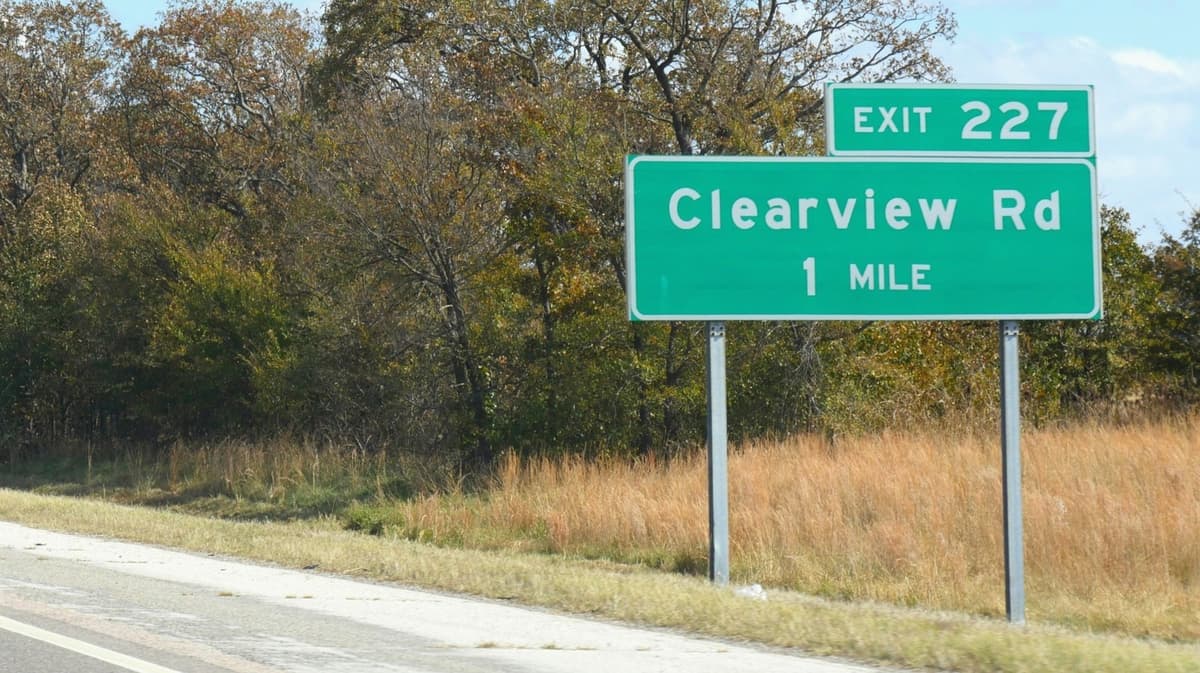
Do All Official U.S. Road Signs Use The Same Font And Design?

Why It Matters
Font legibility directly affects driver reaction time and safety, while the fragmented adoption highlights the massive cost and logistical hurdles of standardizing nationwide infrastructure.
Key Takeaways
- •Highway Gothic has been the federal standard since 1948
- •Clearview was created to reduce halation on reflective signs
- •FHWA approved Clearview in 2004, withdrew in 2016, reinstated 2018
- •Adoption varies; states may keep Clearview if they already use it
- •Replacing 4.2 million miles of signs would cost billions of dollars
Pulse Analysis
When the Federal‑Aid Highway Act launched the interstate system in 1956, the FHWA needed a typeface that could be read at ever‑increasing speeds. Highway Gothic, a modified version of classic Gothic lettering, became the default in 1948 and remained unchallenged for decades, providing a uniform visual language across the nation’s growing network of signs.
By the 1990s, engineers discovered that reflective sheeting caused a halo effect—known as halation—around bright lettering, reducing legibility at night. Meeker & Associates and Terminal Design responded with Clearview, a font that widens interior spaces, flattens slanted strokes, and equalizes the height of lowercase and uppercase characters. After limited field trials, the FHWA granted national approval in 2004, but political and budgetary concerns led to a withdrawal in 2016 before a partial reinstatement in 2018, leaving each state to decide its own path.
The lack of a single mandated font underscores the tension between safety optimization and fiscal reality. Replacing signage along the 4.2 million‑mile highway system would run into the billions, a cost most states cannot absorb. Consequently, drivers encounter a patchwork of Highway Gothic and Clearview signs, a visual reminder that even seemingly minor design choices can have far‑reaching implications for public safety and infrastructure budgeting. Future advances—such as dynamic LED signs or AI‑driven variable‑message displays—may eventually render the font debate moot, but for now the coexistence of two typefaces remains the status quo.
Do All Official U.S. Road Signs Use The Same Font And Design?
Comments
Want to join the conversation?
Loading comments...