Do CVTs Still Deserve Their Reputation As Failure-Prone Transmissions?

Companies Mentioned
Why It Matters
Reliability improvements restore confidence in CVTs, influencing buying decisions and supporting manufacturers’ shift toward efficient powertrains. Maintenance awareness further protects owners from costly repairs.
Key Takeaways
- •Nissan mid‑2010s CVTs faced high failure complaints
- •Honda, Toyota, Subaru CVTs rank among most reliable
- •Fluid changes every 30‑60k miles extend CVT life
- •Lifetime‑fluid claims are marketing myths, fluids still degrade
- •e‑CVTs use planetary gears and electric motors for efficiency
Pulse Analysis
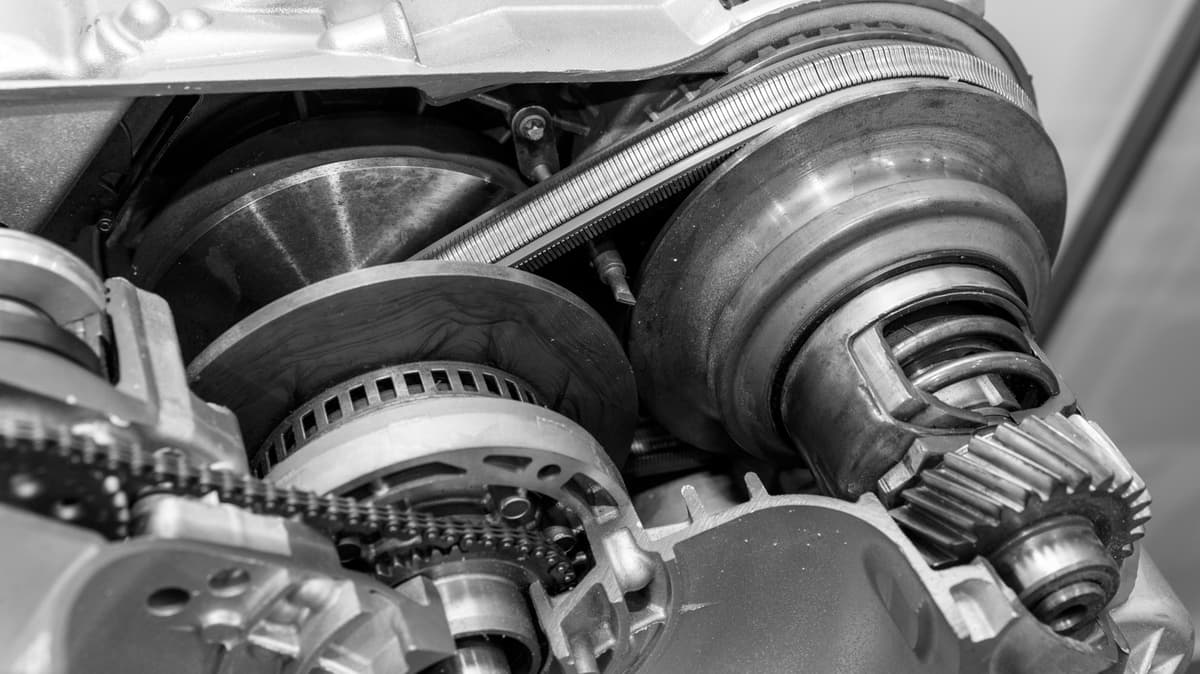
The perception of continuously variable transmissions has evolved dramatically over the past decade. Early belt‑and‑pulley CVTs, first seen in models like the Subaru Justy, were criticized for jerky acceleration and premature wear. Today, e‑CVTs integrate planetary gearsets and electric motor assistance, delivering smoother power delivery and better fuel economy. This technical leap has helped automakers such as Honda, Toyota and Subaru position CVTs as a mainstream solution, especially in compact and hybrid vehicles where efficiency is paramount.
Reliability data now supports the narrative shift. Consumer Reports’ 2025 and 2026 best‑car rankings list multiple CVT‑equipped models, with the Nissan Sentra’s X‑tronic CVT even earning top‑small‑car honors. However, the reports also stress that neglecting maintenance can quickly erode these gains. CVT fluid degrades after 30,000‑60,000 miles, leading to belt wear, overheating and the dreaded shuddering symptoms. Owners must differentiate CVT‑specific fluids from standard ATF, as the former contains friction modifiers essential for belt engagement. Even so‑called "lifetime" fluid claims are largely marketing spin; oxidation and thermal breakdown are inevitable.
Looking ahead, manufacturers are refining CVT architecture to meet the demands of electrified powertrains. e‑CVTs, with their seamless ratio changes and reduced mechanical losses, complement electric motors in plug‑in hybrids and mild‑hybrid systems. As regulatory pressure mounts for lower emissions, the industry’s confidence in CVTs is likely to grow, provided owners stay vigilant about fluid service. The convergence of advanced design, proven reliability, and proactive maintenance positions CVTs as a durable, efficiency‑driving technology for the next generation of vehicles.
Do CVTs Still Deserve Their Reputation As Failure-Prone Transmissions?
Comments
Want to join the conversation?
Loading comments...