Why It Matters
Understanding the true role of exhaust design lets riders and builders improve power and economy without relying on myths, influencing aftermarket parts sales and Harley‑Davidson performance tuning.
Key Takeaways
- •Back pressure reduces engine efficiency and power
- •Baffles limit reversion, not provide beneficial pressure
- •Removing restrictions improves scavenging and fuel economy
- •Proper exhaust tuning outweighs simple baffle removal
- •Pipe diameter and length critically affect performance
Pulse Analysis
Harley‑Davidson enthusiasts have long argued that a certain amount of back pressure is essential for low‑and‑mid‑range torque. Engineers, however, point out that any pressure opposing the piston during the exhaust stroke translates directly into wasted work. Modern Harley platforms such as the Milwaukee‑Eight illustrate this principle: a stock exhaust can generate up to eight psi of back pressure, equivalent to over a hundred pounds of force on the piston, which erodes both horsepower and fuel mileage.
The confusion stems from the dual role of baffles. While they do introduce some restriction, their primary benefit lies in suppressing exhaust reversion—where pressure waves travel backward into the cylinder, disrupting fresh charge intake. By dampening these reverse pulses, baffles can restore lost power, making it seem as though back pressure itself is advantageous. In practice, the net gain is the reduction of reversion outweighing the modest loss from added pressure, a nuance that most riders overlook.
Beyond baffles, the broader exhaust geometry—pipe diameter, length, and merging strategy—dominates performance outcomes. Larger‑bore, correctly tuned dual‑exhaust setups enhance scavenging, allowing spent gases to exit swiftly and fresh mixture to fill efficiently. For Harley owners, the takeaway is clear: prioritize a well‑engineered exhaust system and appropriate fuel mapping over the myth of needed back pressure. This approach delivers measurable gains in power, throttle response, and fuel economy, reshaping the aftermarket landscape for the brand.
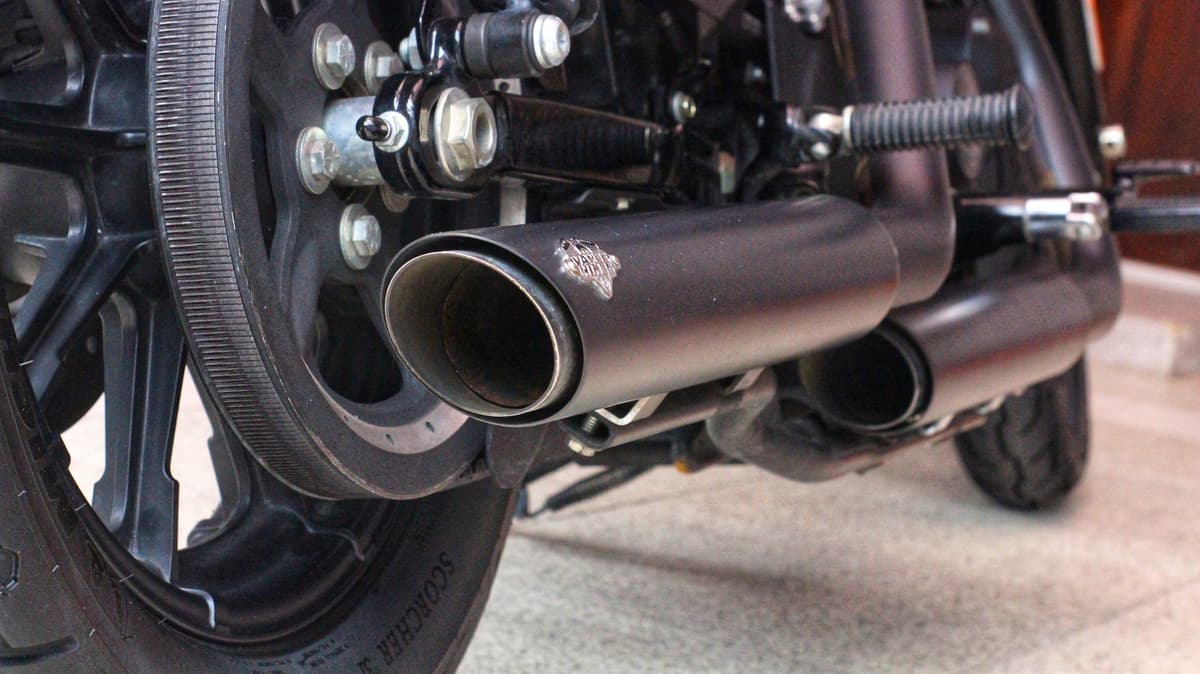
Do Harley-Davidsons Need Back Pressure?
0
Comments
Want to join the conversation?
Loading comments...