Do Inner And Outer Tie Rods Need To Be Replaced At The Same Time?

Why It Matters
Replacing both tie rods in one service safeguards steering precision and avoids expensive downstream suspension failures, protecting vehicle safety and resale value.
Key Takeaways
- •Outer tie rod removal often damages threads, requiring replacement
- •Inner tie rod boots deteriorate, prompting simultaneous part swap
- •Replacing both rods ensures proper wheel alignment after service
- •Pair replacement prevents uneven handling and future suspension costs
Pulse Analysis
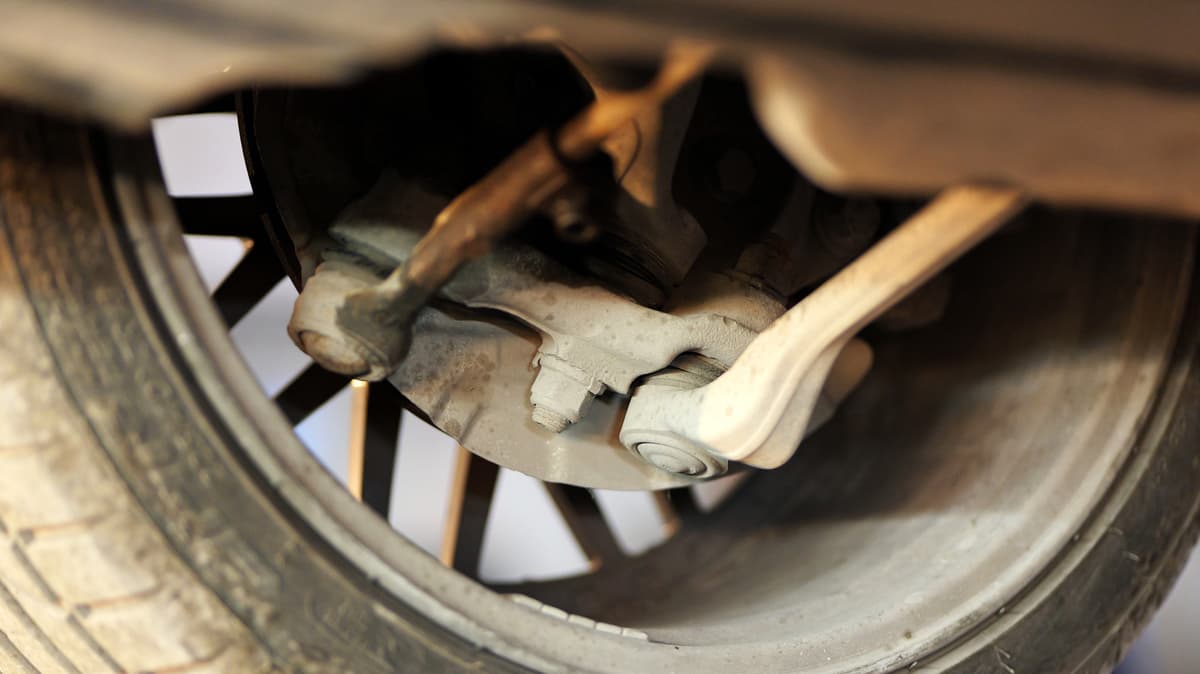
Tie rods are the critical link between the steering rack and each front wheel, translating driver input into precise wheel movement. Each assembly consists of an inner rod that bolts to the rack and an outer rod that attaches to the steering knuckle, with a rubber boot protecting the inner joint from moisture and debris. Over time, exposure to potholes, road salt, and temperature swings corrodes the threads, degrades the boot, and loosens the jam nut. When either component shows wear, the entire steering geometry can drift, leading to uneven tire wear and reduced handling confidence.
Mechanics often discover that loosening the outer tie rod requires a hammer strike or heat to free the jam nut, a process that can easily strip the inner threads if the nut is reused. Because the locking nut is designed for single‑use, technicians replace it whenever the outer rod comes off, effectively upgrading the inner side as well. The labor involved—removing the wheel, separating the rod, and reinstalling the assembly—makes it economically sensible to replace both inner and outer rods together rather than performing a piecemeal fix later.
From a safety perspective, a worn tie rod can introduce play that manifests as wandering steering, clunking noises, and delayed response during emergency maneuvers. Aligning the wheels after any tie‑rod service restores the factory‑specified toe settings, preserving tire life and fuel efficiency. Moreover, prospective buyers often scrutinize maintenance records; documented tie‑rod replacement in pairs signals diligent upkeep and can boost resale value. For most passenger cars, the combined part cost ranges from $100 to $400, a modest investment compared with the potential expense of a full steering‑system overhaul.
Do Inner And Outer Tie Rods Need To Be Replaced At The Same Time?
Comments
Want to join the conversation?
Loading comments...