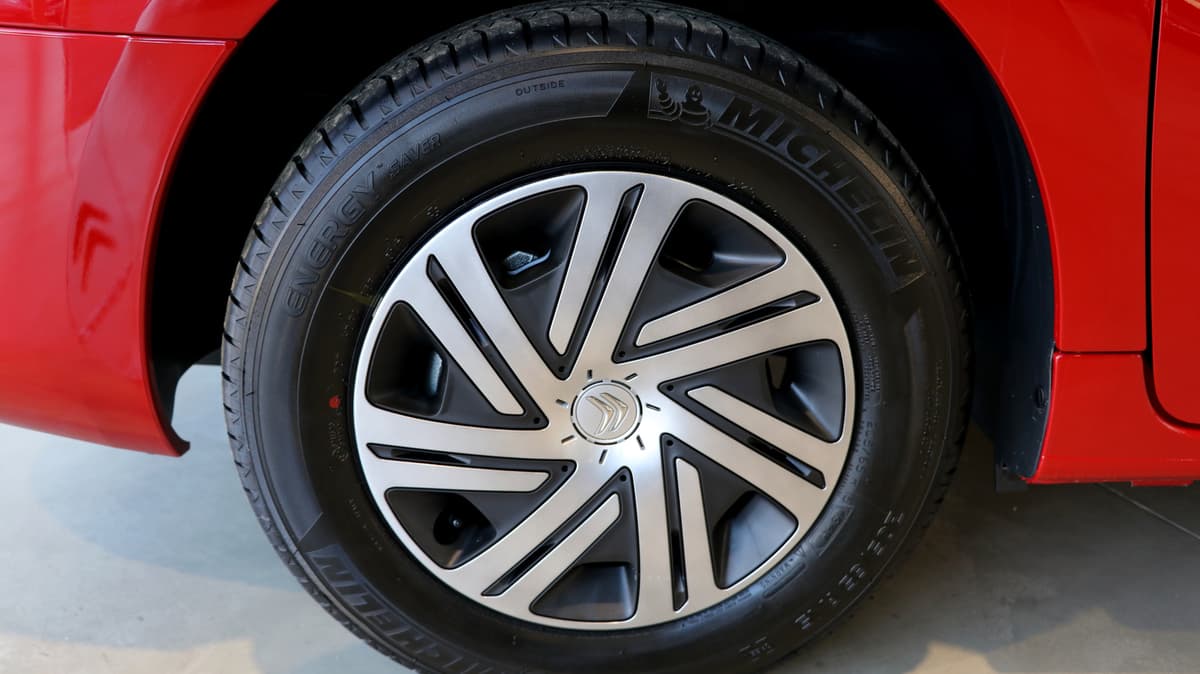
Do Michelin Energy Saver A/S Tires Improve Fuel Economy?
Companies Mentioned
Why It Matters
Even a 1‑2% fuel reduction can translate into significant cost savings for high‑mileage fleets, making tire choice a strategic decision for both consumers and commercial operators.
Key Takeaways
- •Michelin Energy Saver A/S ranks near top for rolling resistance.
- •Fuel economy gain measured at only 1‑2% in tests.
- •Proper inflation, rotation, and alignment preserve tire efficiency.
- •Driving habits impact fuel savings more than tire choice.
Pulse Analysis
Rolling resistance is a key metric for tire manufacturers seeking to improve vehicle efficiency. Michelin’s Energy Saver A/S leverages a silica‑enhanced tread compound and a streamlined tread pattern to minimize energy loss, positioning the tire among the most fuel‑efficient options in 2026. Consumer Reports’ laboratory tests confirmed its low resistance, yet the resulting fuel economy boost hovered around just one to two percent, underscoring the diminishing returns of tire‑only solutions when compared with broader vehicle dynamics.
Maintenance amplifies the modest gains offered by low‑rolling‑resistance tires. Keeping tires at the manufacturer‑specified pressure prevents excess deformation that raises resistance, while regular rotation, balancing, and wheel alignment stave off uneven wear that can erode efficiency over time. These routine practices are especially critical for the Energy Saver line, as even slight deviations can negate its design advantages. Drivers who neglect these basics may see the tire’s fuel‑saving potential evaporate, despite its advanced construction.
For fleet managers and eco‑conscious drivers, the decision to adopt Energy Saver A/S tires hinges on a cost‑benefit analysis. While the per‑vehicle fuel savings appear modest, multiplied across hundreds of vehicles the cumulative reduction in fuel spend and emissions becomes noteworthy. Moreover, the tire’s durability and handling remain competitive, offering a balanced package. Ultimately, the tire’s value proposition lies in its contribution to a broader efficiency strategy that includes disciplined driving habits, regular maintenance, and strategic procurement decisions.
Do Michelin Energy Saver A/S Tires Improve Fuel Economy?
Comments
Want to join the conversation?
Loading comments...