Does Your Car Actually Need Premium Gas, Or Are You Paying For Nothing (Or Worse)?
Companies Mentioned
Why It Matters
Using the correct octane level protects engine performance and warranty coverage, while unnecessary premium purchases waste money for most drivers. Understanding the distinction helps consumers optimize cost versus performance.
Key Takeaways
- •Premium required for high‑compression performance engines
- •Recommended premium may improve horsepower slightly
- •Regular fuel can cause knock in required‑use cars
- •Fuel economy differences are minimal in most recommended cases
- •Using regular fuel repeatedly may affect warranty coverage
Pulse Analysis
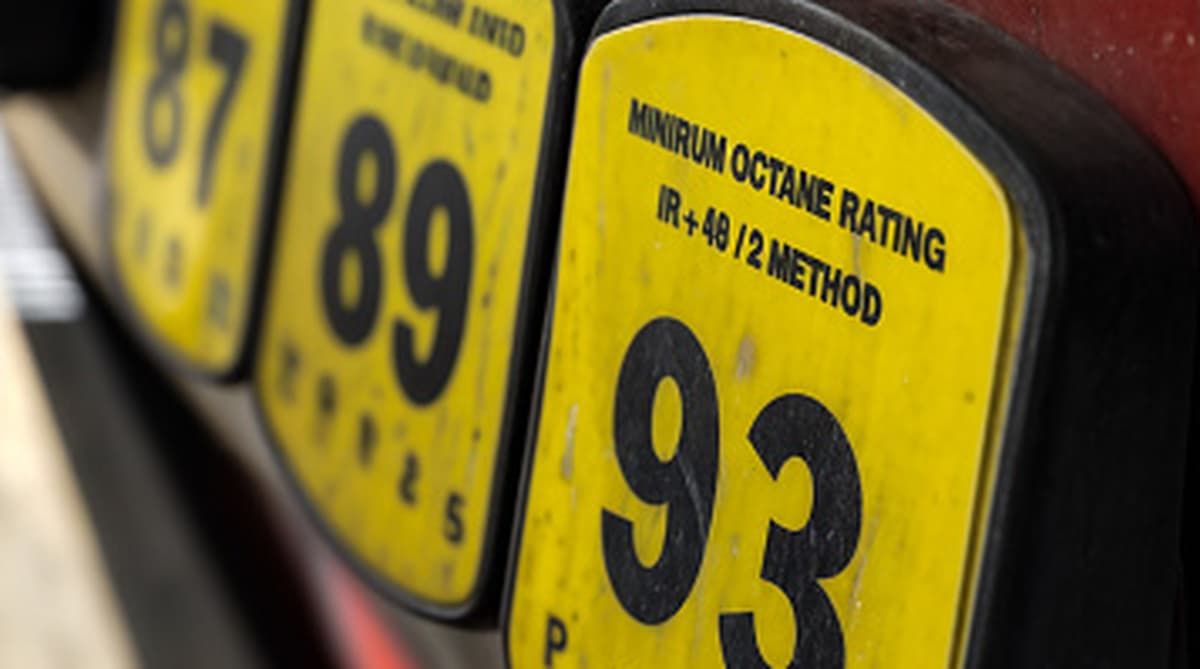
Octane rating isn’t about energy content; it measures a fuel’s resistance to premature combustion. Engines with high compression ratios or turbochargers generate greater pressures, making them prone to knocking when fed low‑octane gasoline. Premium fuel’s higher octane delays ignition, allowing the engine control unit to maintain optimal timing and avoid the pinging sound that signals knock. This technical nuance explains why premium is a necessity for certain performance‑oriented powertrains, while ordinary commuter engines can run safely on regular unleaded.
Automakers differentiate between "Recommended" and "Required" premium usage. A "Recommended" label signals that regular fuel will not harm the engine, though premium may unlock a modest boost in horsepower or efficiency—benefits that are often marginal in everyday driving. Independent tests by Consumer Reports and Car and Driver have shown negligible differences in acceleration and fuel economy for many midsize sedans that merely recommend premium. Conversely, "Required" models—such as BMW M‑series, AMG Mercedes, and high‑output Porsche engines—depend on the higher octane to prevent persistent knock, maintain timing, and avoid carbon buildup that could jeopardize warranty claims.
For the average driver, the practical takeaway is simple: consult the owner’s manual and weigh the cost differential. If premium is merely recommended, experiment with both fuels, track mileage, and calculate savings; the performance gap is often too small to justify the extra expense. However, for vehicles that explicitly require premium, using regular gasoline repeatedly can lead to engine wear, reduced resale value, and potential warranty disputes. Understanding these nuances empowers consumers to make informed fueling choices, saving money without compromising vehicle longevity.
Does Your Car Actually Need Premium Gas, Or Are You Paying For Nothing (Or Worse)?
Comments
Want to join the conversation?
Loading comments...