Doing More with Less: Building and Operating a More Affordable Railway
Why It Matters
These innovations address the mounting pressure on rail operators to deliver more service with tighter budgets, accelerating the industry's shift toward data‑driven, low‑cost operations.
Key Takeaways
- •Siemens showcases cyber‑secure connectivity for system‑wide asset monitoring.
- •ETCS Level 2 rollout aims for incremental benefits, faster deployment.
- •Automation tools reduce manual calculations for signallers and maintainers.
- •New surveying tools cut over‑engineering in renewals and enhancements.
- •Alternative electrification concepts lower infrastructure costs without full overhead lines.
Pulse Analysis
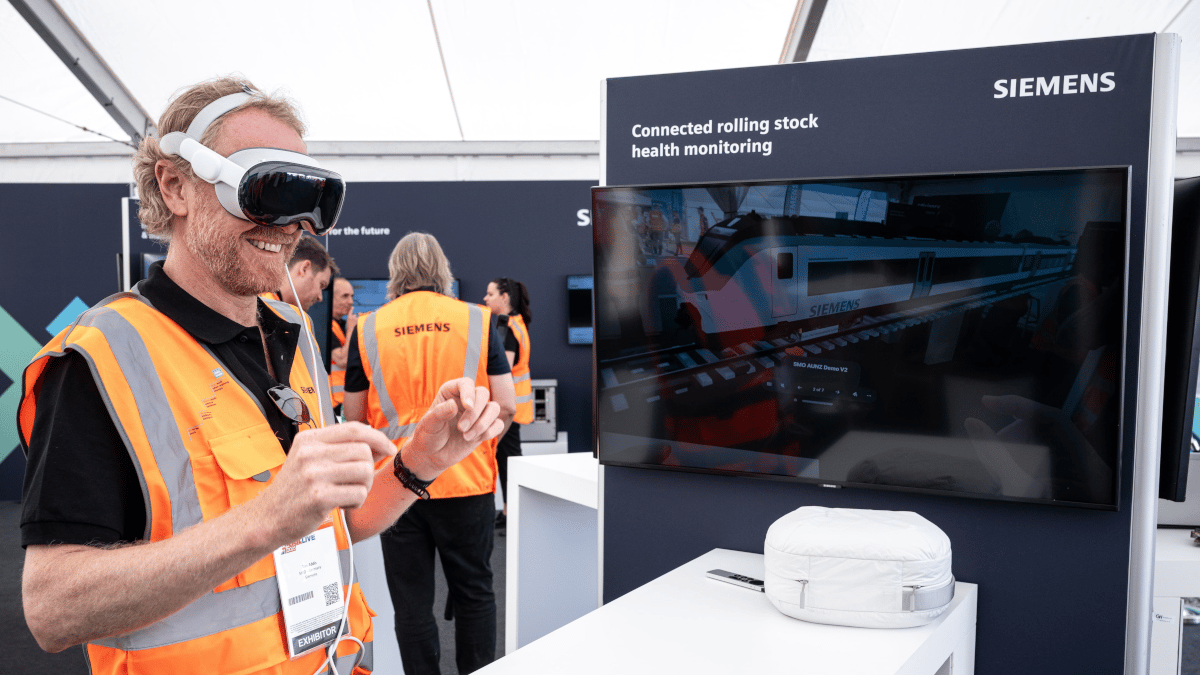
The railway sector faces an unprecedented squeeze: aging infrastructure, dispersed assets, and volatile weather demand higher reliability while budgets shrink. Siemens Mobility’s showcase at Rail Live 2026 positions secure, high‑bandwidth connectivity as the backbone of a new operating model. By linking sensors, control systems and maintenance platforms, operators gain a holistic view of asset health, allowing predictive analytics to replace routine inspections. The resulting reduction in unnecessary site trips not only trims labor costs but also lowers emissions, aligning operational efficiency with sustainability goals that regulators and investors increasingly demand.
Siemens also tackled the signalling bottleneck with an incremental rollout strategy for ETCS Level 2. Rather than waiting for a full‑scale deployment, operators can introduce discrete functional blocks, capturing safety and capacity gains early while spreading capital outlay. Complementary automation tools take repetitive calculations out of the hands of signallers and maintainers, freeing skilled staff to focus on decision‑making. In parallel, the company presented alternative electrification pathways—such as battery‑assisted or hybrid trains—that bypass costly overhead line installations, delivering performance upgrades without the traditional capital hit.
The financial upside of these measures is compelling. Predictive monitoring can shave up to 20 % off routine maintenance budgets, while incremental ETCS adoption promises faster ROI by delivering measurable capacity improvements after each phase. For infrastructure owners, smarter surveying and design tools reduce over‑engineering, curbing project overruns that historically erode margins. As rail networks worldwide grapple with decarbonisation mandates and passenger growth, Siemens’ cost‑focused digital suite offers a pragmatic pathway to modernise without prohibitive spend, positioning early adopters for competitive advantage in the next decade.
Doing more with less: building and operating a more affordable railway
Comments
Want to join the conversation?
Loading comments...