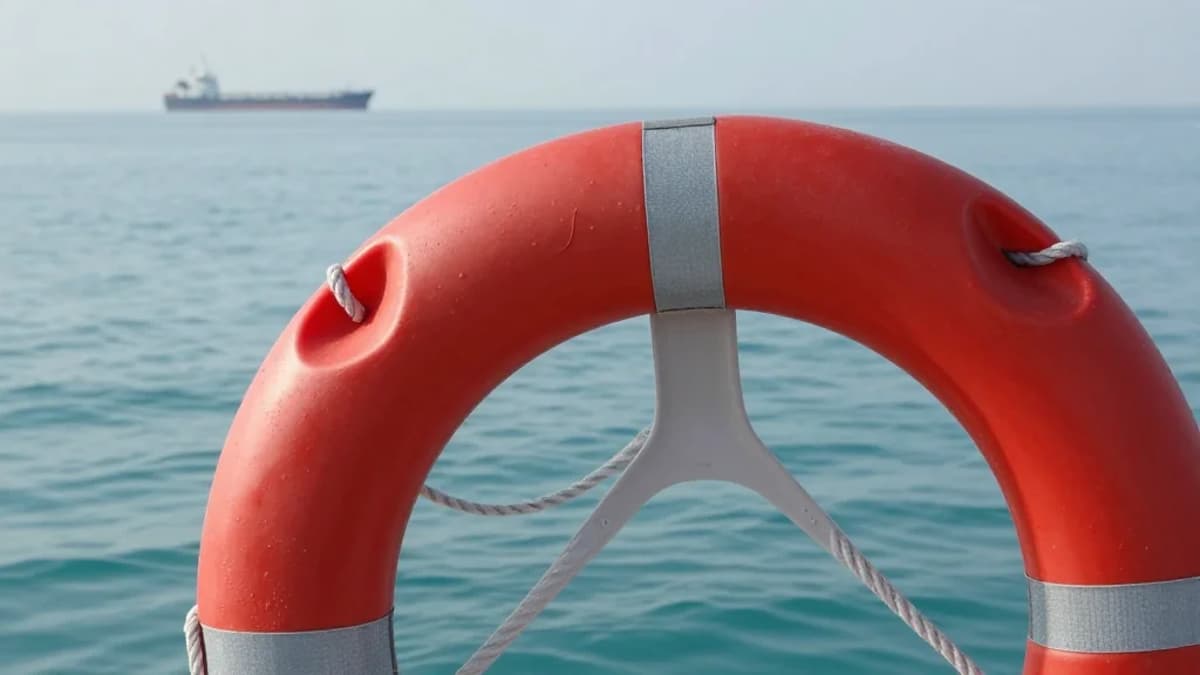
Don’t Target Seafarers in War Zone: IMO
•March 8, 2026
0
Why It Matters
Maritime safety disruptions threaten global supply chains and energy markets, while regional transport growth amplifies the need for secure, reliable logistics corridors.
Key Takeaways
- •20,000 seafarers stranded in Persian Gulf
- •Four crew killed, three injured in Hormuz attack
- •IMO calls for immediate protection measures
- •Threats jeopardize global oil and trade routes
- •Regional transport demand rising amid security concerns
Pulse Analysis
The Persian Gulf has long been a strategic chokepoint for global energy shipments, but the escalation of the Iran‑Israel war has turned it into a flashpoint for maritime security. The International Maritime Organization, as the UN agency governing shipping, wields normative authority to compel compliance with the United Nations Convention on the Law of the Sea. By publicly demanding protection for stranded crews, the IMO signals that any breach of the freedom of navigation could trigger coordinated diplomatic and legal responses, reinforcing the principle that civilian mariners are non‑combatants under international humanitarian law.
For ship owners and operators, the immediate fallout includes heightened insurance premiums, rerouting costs, and crew welfare challenges. The psychological strain on 20,000 seafarers confined to vessels can degrade performance and increase the risk of accidents, prompting companies to invest in mental‑health support and contingency planning. Moreover, the incident threatens the uninterrupted flow of crude oil and liquefied natural gas, potentially tightening global energy markets and prompting governments to consider naval escorts or alternative corridors such as the Cape of Good Hope.
While the maritime sector grapples with these security risks, the broader transport ecosystem in the Asia‑Pacific is poised for rapid expansion. Airbus’s forecast of a 5.2% annual growth in aviation services underscores a surge in passenger and cargo demand that will rely heavily on secure sea‑air intermodal links. Ensuring safe passage through the Strait of Hormuz becomes not just a maritime imperative but a catalyst for sustaining the region’s projected $138.7 billion aviation market, highlighting the interdependence of maritime stability and broader economic growth.
Don’t target seafarers in war zone: IMO
0
Comments
Want to join the conversation?
Loading comments...