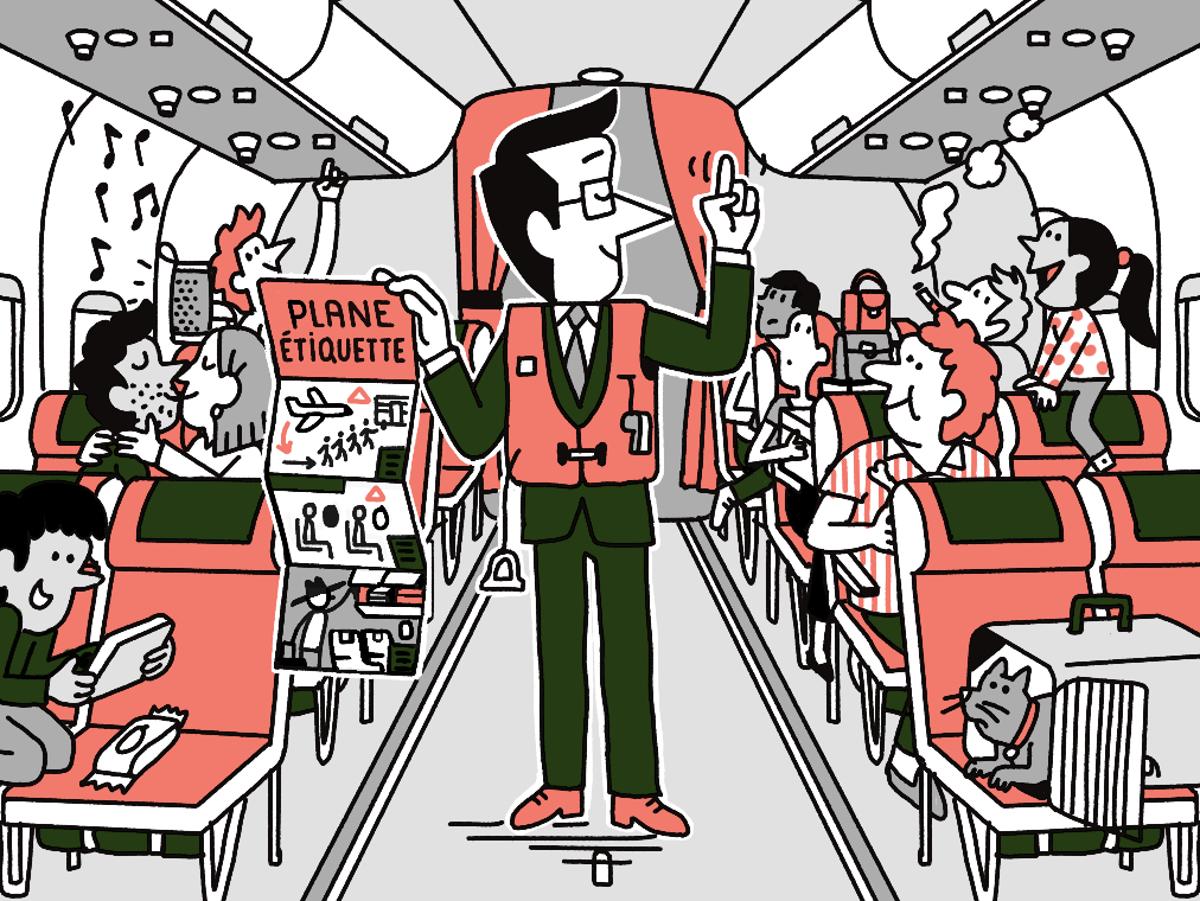
Don’t Wing It. Here’s How to Behave on a Plane
Why It Matters
Polite passenger behavior directly influences on‑board safety, crew workload, and airline brand perception, which can affect customer loyalty and revenue.
Key Takeaways
- •Keep phones off during takeoff and landing per crew instructions
- •Ask before reclining seat or moving window blind
- •Limit loud conversations and personal arguments near other passengers
- •Respect personal space: no hat hijacking, no foot propping
- •Bring snacks, but avoid strong smells or noisy devices
Pulse Analysis
Airlines spend billions each year on safety protocols, yet a surprisingly large share of in‑flight disruptions stem from basic passenger etiquette. When travelers ignore crew instructions—such as stowing phones during takeoff—or engage in loud arguments, the cabin environment becomes a safety risk and forces crew to divert attention from essential duties. This friction not only erodes the travel experience but can also trigger costly delays, especially on tight short‑haul schedules where turnaround time is critical.
Tuck’s 15‑point checklist zeroes in on the everyday habits that matter most. Turning off devices at critical phases, asking before reclining a seat, and respecting the window‑blind owner are low‑effort actions that prevent sudden jerks, glare disputes, and unnecessary tension. Likewise, moderating personal conversations, keeping headphones at a reasonable volume, and limiting strong‑smelling foods help maintain a neutral acoustic and olfactory environment. Even seemingly minor gestures—like not propping feet on the fuselage or handling babies with patience—contribute to a smoother, more professional cabin atmosphere.
For airlines, promoting these norms translates into tangible business benefits. Reduced cabin incidents lower crew overtime, improve on‑time performance, and enhance brand reputation—key drivers of repeat bookings and premium pricing. Many carriers now embed etiquette reminders in pre‑flight emails and in‑seat cards, reinforcing the message without imposing heavy regulations. Passengers who adopt Tuck’s guidelines not only enjoy a calmer journey but also become inadvertent brand ambassadors, reinforcing the airline’s commitment to a courteous, reliable travel experience.
Don’t wing it. Here’s how to behave on a plane
Comments
Want to join the conversation?
Loading comments...