DOT Looking for P3s on Highways
Why It Matters
By positioning the federal government as a facilitator rather than just a funder, the initiative lowers financing gaps and accelerates delivery of congested‑road solutions, opening a sizable pipeline of investment for infrastructure investors.
Key Takeaways
- •DOT launches Freedom to Drive Initiative targeting P3 highway projects
- •Build America Bureau offers TIFIA loans and credit support for private investors
- •Georgia SR 400 express lanes showcase $3.4B bond, $4B loan, $3.8B fee
- •Governors urged to identify bottlenecks; Maryland creates P3 office for bridge
- •New criteria emphasize value‑for‑money, risk allocation, and revenue forecasts
Pulse Analysis
The Freedom to Drive Initiative marks a strategic shift in federal infrastructure policy, moving beyond traditional grant funding toward a collaborative model that leverages private capital. By tapping the Build America Bureau’s TIFIA loan program, the DOT can provide low‑cost, long‑term financing that de‑risks projects for investors while preserving public oversight. This approach aligns with the broader Trump‑era emphasis on market‑based solutions and reflects a growing appetite among institutional investors for stable, inflation‑linked returns in the transportation sector.
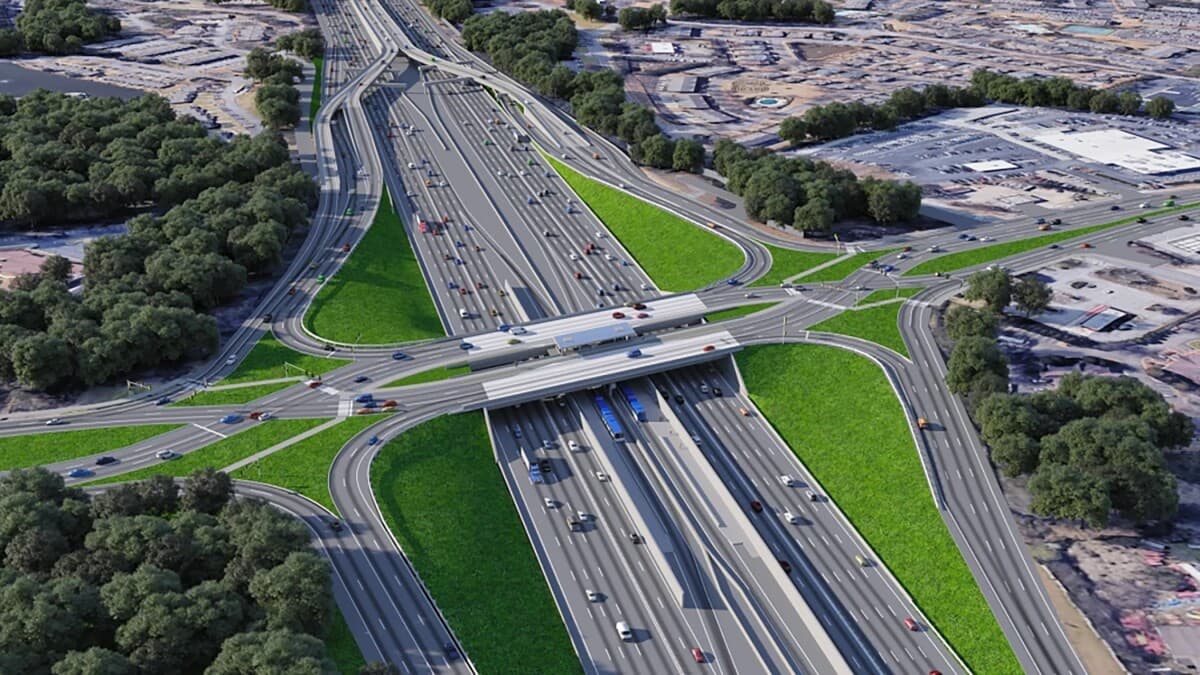
Central to the program is a rigorous "value for money" assessment that quantifies the cost advantage of private financing against conventional public spending. The criteria demand transparent revenue forecasts, clear risk‑sharing arrangements, and an accounting of any required public contributions. Georgia’s State Route 400 express‑lane project illustrates the model in action: a $3.4 billion private‑activity bond, a $4 billion TIFIA loan, and a $3.8 billion upfront concession fee together funded a 12‑mile tolled corridor, demonstrating how dynamic pricing can balance demand and generate predictable cash flows.
For state governments, the initiative offers a template to address chronic congestion without overburdening taxpayers. Maryland’s new P3 office, tasked with reviving the American Legion Bridge, signals that states are ready to adopt the framework. However, projects that involve new toll lanes—such as the Woodrow Wilson Bridge—face local opposition, highlighting the need for robust stakeholder engagement. Overall, the DOT’s facilitative role could unlock billions in private investment, reshaping the U.S. highway landscape over the next decade.
DOT looking for P3s on highways
Comments
Want to join the conversation?
Loading comments...