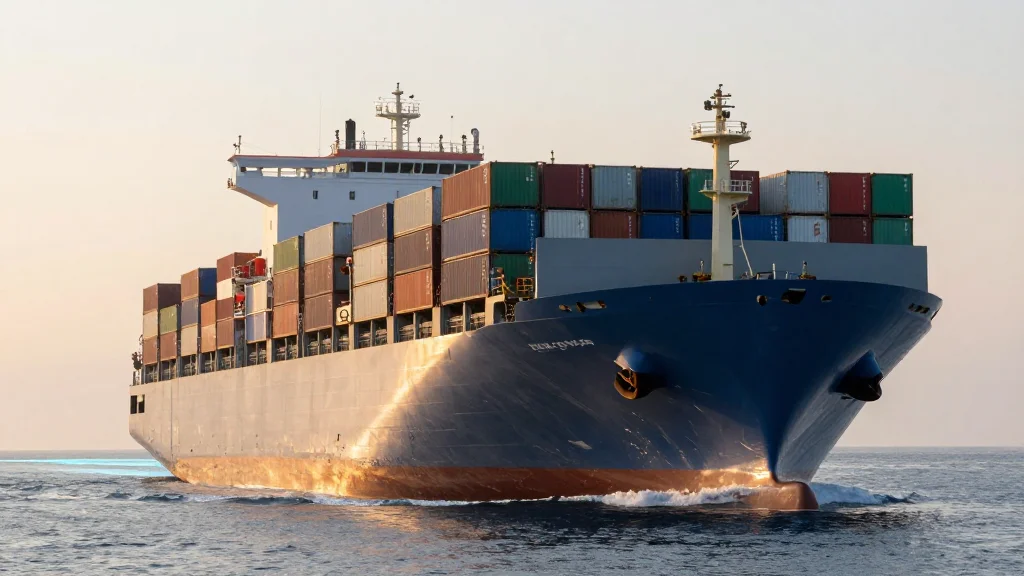
Double-Digit Rate Increases Whip up Intra-Asia Trades
Why It Matters
Higher intra‑Asia rates increase freight costs for importers and exporters, tightening supply‑chain margins across the region. The pricing shift also reshapes carrier competition and may accelerate capacity investments.
Key Takeaways
- •Intra-Asia container rates up double digits year‑over‑year
- •Strong regional demand and higher bunker costs drive price surge
- •OOCL applies $25‑$100 per TEU general rate increase
- •Some carriers keep June rates flat despite market rally
Pulse Analysis
The ongoing war in the Middle East has rippled through global shipping, constraining vessel availability on major corridors and forcing carriers to reprice freight services. While the most visible impact has been on trans‑Pacific and Europe‑Asia lanes, the knock‑on effect is equally pronounced in intra‑Asia trades, where capacity constraints now intersect with a surge in manufacturing output and consumer demand across China, Southeast Asia, and India. This confluence has propelled spot rates into double‑digit growth territory, a rarity for a market that typically experiences seasonal volatility.
Asian shippers are feeling the pressure from two fronts: a robust cargo pipeline and soaring bunker fuel prices, which have risen sharply as oil markets react to geopolitical uncertainty. Carriers are passing these higher input costs onto customers through general rate increases (GRIs). OOCL, for instance, has announced tiered adjustments of $25 to $100 per TEU, reflecting both route‑specific dynamics and the broader cost environment. Yet not all operators are following suit; several have opted to keep June rates unchanged, betting on market stabilization or seeking to retain price‑sensitive clientele.
For businesses that rely on intra‑Asia shipping, the sustained rate uplift translates into tighter profit margins and may prompt a reevaluation of inventory strategies, sourcing locations, and logistics partnerships. Forwarders are likely to negotiate longer‑term contracts to lock in rates, while carriers may accelerate fleet upgrades or explore fuel‑efficiency technologies to mitigate cost pressures. Monitoring the trajectory of bunker fuel prices and regional demand trends will be crucial for stakeholders aiming to navigate this elevated pricing phase without eroding competitiveness.
Double-digit rate increases whip up intra-Asia trades
Comments
Want to join the conversation?
Loading comments...