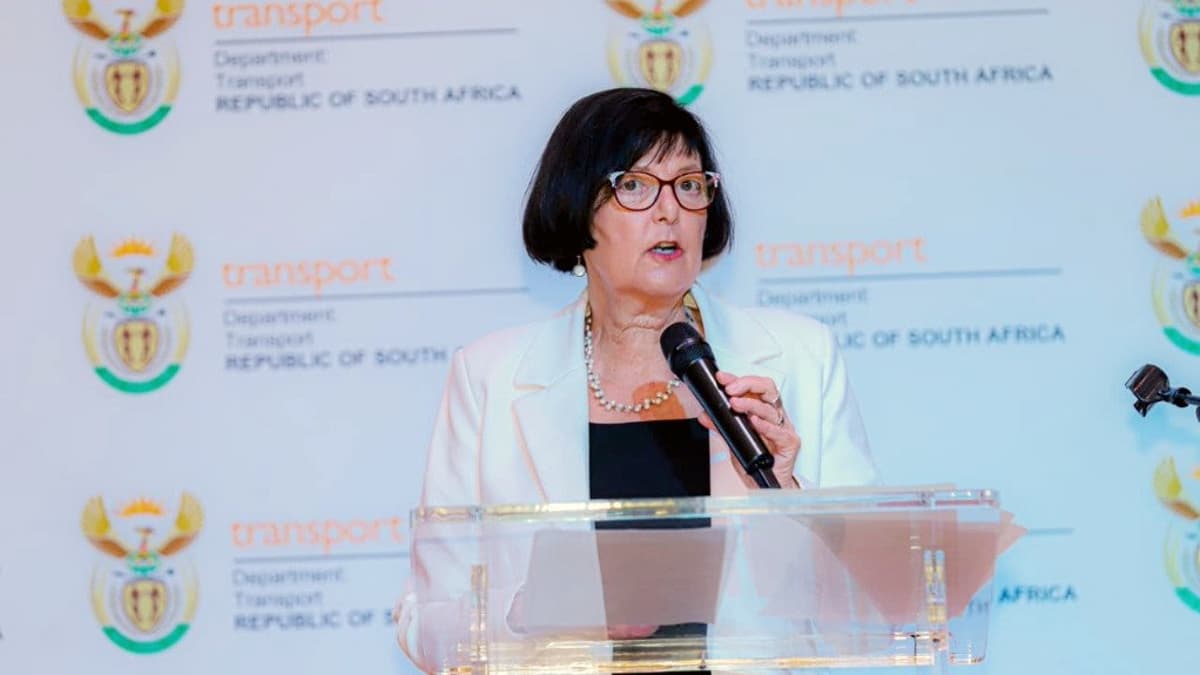
Draft Masterplan Outlines R2-Trillion Vision for Restoring Rail as 'Backbone' By 2050
Why It Matters
Restoring rail capacity will curb foreign‑exchange losses, create jobs, and ease road congestion, strengthening South Africa’s competitive edge in global trade.
Key Takeaways
- •R2 trillion (~$108 bn) plan aims to make rail logistics backbone by 2050.
- •Target 250 million tons freight annually by 2030, up from 165 million.
- •Standard‑gauge conversion and network rationalisation to boost efficiency.
- •Private‑sector investment encouraged to modernise freight and passenger services.
Pulse Analysis
South Africa’s rail network has languished for decades, with deteriorating infrastructure driving freight onto roads and eroding commuter confidence. The loss of over 100 million tonnes of potential rail freight has inflated logistics costs, strained highways, and dented the country’s balance of payments. By foregrounding rail in national logistics, the draft master plan seeks to reverse these trends and re‑establish rail as a cost‑effective, low‑carbon conduit for minerals, agricultural products, and passengers.
The R2‑trillion (about $108 billion) master plan outlines ambitious quantitative targets: 250 million tonnes of freight per year by 2030 and a long‑term vision of 600 million passenger trips. Key levers include converting critical corridors to standard gauge, pruning under‑used branch lines, and unlocking private capital through public‑private partnerships. Modern signalling, digital ticketing, and safety upgrades are also slated to improve reliability and attract new users. By focusing on high‑density, high‑value routes, the plan aims to maximise return on existing assets while laying groundwork for greenfield expansions.
If executed, the initiative could generate substantial economic dividends. Enhanced rail capacity would lower transport costs for exporters, preserve foreign‑exchange earnings, and stimulate job creation in construction, operations, and ancillary services. Moreover, shifting freight from road to rail promises to ease congestion, reduce accident rates, and cut emissions, aligning with South Africa’s broader sustainability goals. The plan’s success hinges on timely stakeholder engagement, transparent procurement, and consistent policy support as the country moves toward a more resilient, multimodal logistics ecosystem.
Draft masterplan outlines R2-trillion vision for restoring rail as 'backbone' by 2050
Comments
Want to join the conversation?
Loading comments...