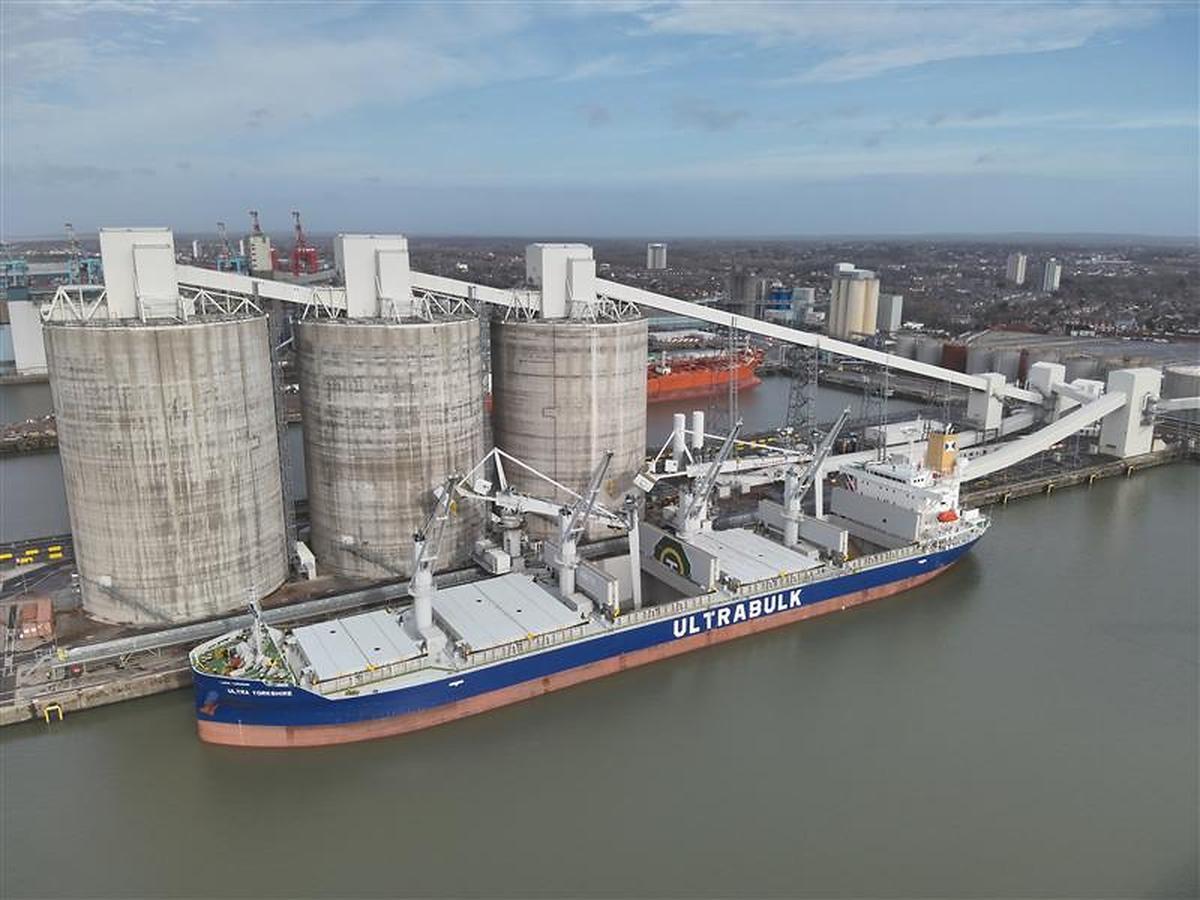
Drax Signs New Pellet Contract Cutting Shipping Emissions Each Year
Companies Mentioned
Why It Matters
The contract sets a precedent for emissions‑linked freight in dry‑bulk shipping, accelerating carbon reductions across the renewable‑energy supply chain and helping the sector outpace IMO’s 2030 targets.
Key Takeaways
- •Drax-Ultrabulk contract mandates yearly emission reductions until 2031
- •First dry‑bulk shipping clause tying cargo to decreasing CO2 output
- •B100‑fuel voyage cut emissions ~90% versus traditional bunker fuels
- •Biomass pellets supply ~5% of UK power, supporting energy security
- •Agreement aligns with IMO net‑zero goal, ahead of 2030 target
Pulse Analysis
Drax’s new freight agreement with Ultrabulk illustrates how renewable‑energy producers are leveraging logistics contracts to meet aggressive climate goals. By requiring each pellet shipment’s carbon footprint to shrink year over year, the deal creates a financial incentive for shipowners to adopt cleaner fuels and operational efficiencies. The maiden voyage of the Ultra Yorkshire, powered by B100 biofuel, demonstrated a near‑decadal reduction in emissions, showcasing the practical upside of bio‑derived marine fuels in a sector traditionally dominated by heavy fuel oil.
The broader shipping industry faces mounting pressure from the International Maritime Organization, which aims for a 20 percent cut in greenhouse gases by 2030 and net‑zero by 2050. Drax’s clause predates these milestones, signaling that large‑scale commodity shippers can drive faster adoption of low‑carbon technologies. The use of B100, a 100 percent biodiesel blend, not only slashes CO₂ output but also reduces sulfur and particulate matter, aligning with tightening European emissions standards and offering a template for other dry‑bulk carriers seeking regulatory compliance.
For the UK energy market, the contract reinforces biomass’s role in diversifying the generation mix and enhancing energy security. Investors and policymakers will view Drax’s supply‑chain decarbonisation—spanning rail, maritime, and satellite‑verified sourcing—as a benchmark for sustainable infrastructure investment. As more power producers adopt emissions‑linked freight terms, the ripple effect could reshape freight pricing, spur biofuel production, and accelerate the transition toward a carbon‑neutral logistics ecosystem.
Drax Signs New Pellet Contract Cutting Shipping Emissions Each Year
Comments
Want to join the conversation?
Loading comments...