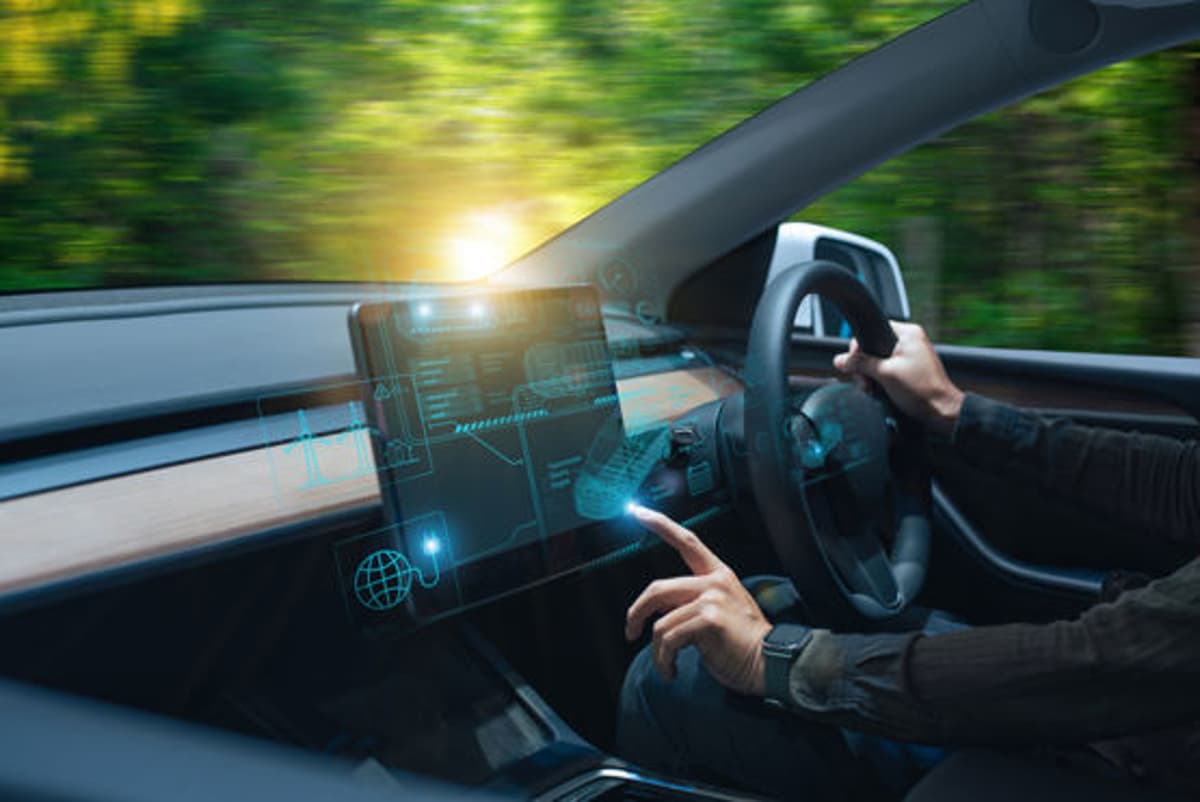
Drivers Split on Trusting Car Tech - or Themselves
Companies Mentioned

OnePoll
Why It Matters
Understanding driver confidence in ADAS and infotainment is critical for OEMs as they roll out increasingly autonomous features; low trust can hinder adoption and affect safety outcomes.
Key Takeaways
- •28% trust vehicle software, 27% trust personal judgement
- •38% say trust depends on each sensor alert
- •44% of 25‑34‑year‑olds favour tech over instinct
- •Only 20% of drivers over 65 trust car software
- •OEMs must improve transparency to boost tech confidence
Pulse Analysis
The Carly‑sponsored OnePoll study underscores a pivotal moment for the automotive industry as advanced driver‑assistance systems (ADAS) become standard equipment. While 28 % of UK motorists place greater faith in software‑driven alerts, a comparable 27 % still lean on their own experience, creating a split that could influence how quickly consumers embrace semi‑autonomous functions. This ambivalence matters because driver trust directly impacts the effectiveness of safety features such as automatic emergency braking and lane‑keeping assistance, which rely on user acceptance to deliver real‑world crash reductions.
A pronounced generational gap emerges from the data, with younger drivers—particularly those aged 25‑34—showing a 44 % propensity to trust digital cues, contrasted with a mere 20 % among seniors over 65. Younger cohorts, raised alongside smartphones and connected devices, are more comfortable interpreting sensor data, whereas older drivers often prioritize tactile feedback and years of on‑road experience. For manufacturers, this divide signals the need for tailored education programs and user‑interface designs that cater to varying comfort levels, ensuring that older drivers receive clearer, more intuitive explanations of system actions.
Automakers are now faced with a clear mandate: enhance transparency and user education to bridge the trust gap. Strategies may include real‑time visualizations of sensor inputs, simplified diagnostic dashboards, and post‑sale training that demystifies algorithmic decisions. As the industry pushes toward higher levels of autonomy, establishing confidence through accessible data and consistent communication will be essential to secure broader market adoption and maintain safety standards. The survey’s insights provide a roadmap for OEMs to align technology rollout with driver expectations, ultimately shaping the future of connected mobility.
Drivers split on trusting car tech - or themselves
Comments
Want to join the conversation?
Loading comments...