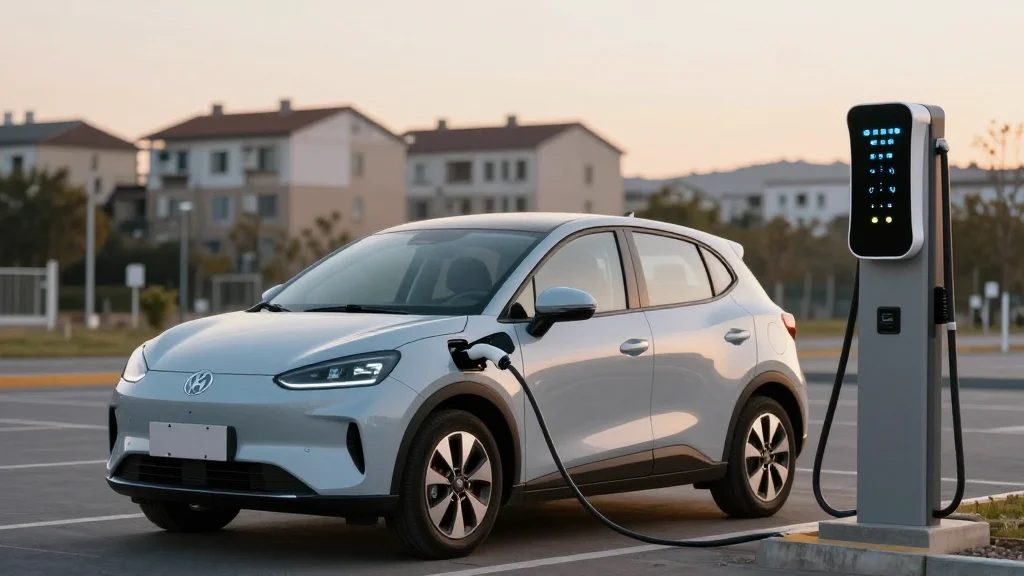
Driving Electric: Designing EV Carshare to Expand Access to Affordable, Reliable, Clean Transportation
Why It Matters
EV carshare delivers measurable cost savings for municipalities while expanding equitable, low‑carbon transportation options, directly supporting climate and mobility goals.
Key Takeaways
- •Austin saved $38.5 M by cutting 1,100 parking spaces
- •One EV carshare vehicle replaces about fifteen private cars on road
- •Round‑trip models better reduce private ownership than free‑floating
- •Cooperative fleets prioritize community goals but face capital constraints
- •Insurance can rise 300% for small EV carshare fleets
Pulse Analysis
EV carshare is emerging as a pragmatic bridge between private vehicle ownership and public transit, especially in underserved neighborhoods where traditional bus service is sparse. By integrating insurance, charging infrastructure and flexible reservations into a single membership, these programs lower the total cost of travel for low‑ to moderate‑income users while simultaneously freeing up valuable curb space. Studies show a single shared EV can remove roughly fifteen privately owned cars from the road, translating into reduced congestion, lower parking construction costs, and a tangible climate benefit through fewer vehicle‑miles traveled.
Financial viability, however, remains a central challenge. Fleet acquisition costs start at $20,000 for a used EV and $30,000 for a new model, with monthly operating expenses of $1,500‑$2,000 per vehicle. Insurance is a particular pain point; providers report up to a 300% premium increase for small fleets, limiting growth for cooperatives and nonprofits that lack deep capital reserves. Cities can mitigate these barriers through policy levers—dedicated curb space, parking fee waivers, and streamlined charger permitting—while also leveraging subsidies, advertising revenue, and partnerships with universities or large employers to diversify income streams.
Strategic program design determines long‑term impact. Round‑trip, station‑based models tend to generate higher utilization and more effectively replace private cars than free‑floating services, as they encourage intentional trip planning. Successful deployments, like Austin’s code amendment that cut off‑street parking requirements by 20 spaces per shared vehicle, demonstrate how municipal incentives can unlock billions in development savings. As more jurisdictions align EV carshare with equity, climate, and economic objectives, the sector is poised to become a scalable component of the modern mobility ecosystem, provided that financing, insurance, and partnership frameworks evolve in step with demand.
Driving Electric: Designing EV Carshare to Expand Access to Affordable, Reliable, Clean Transportation
Comments
Want to join the conversation?
Loading comments...