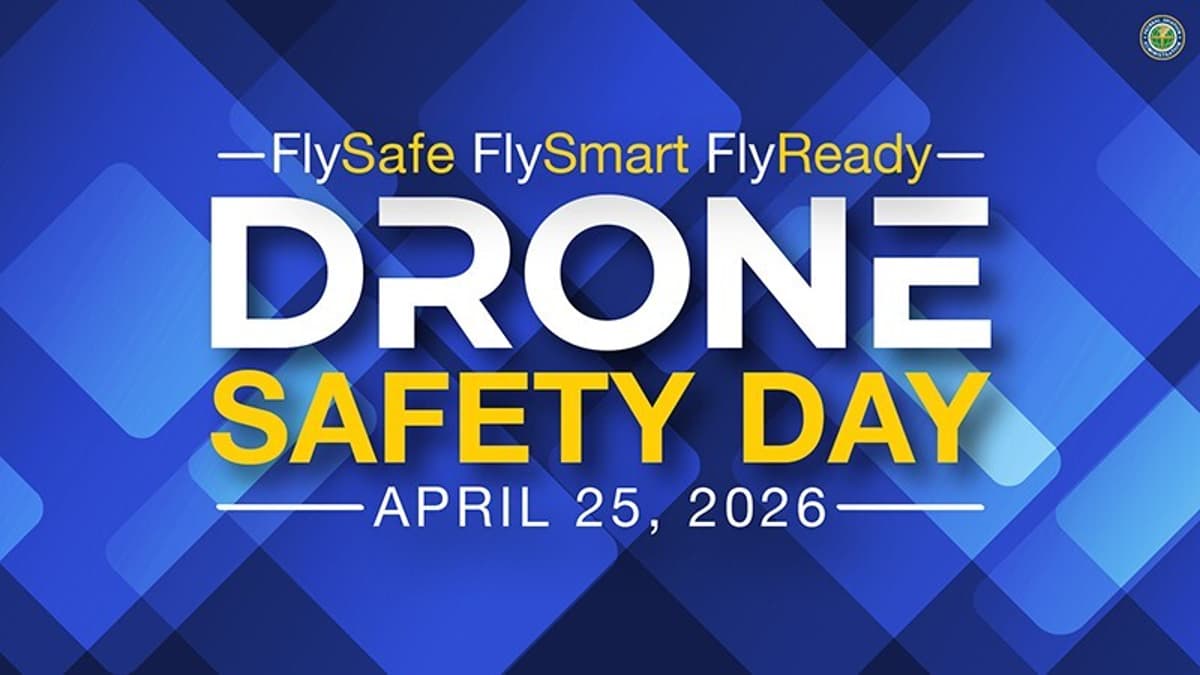
Drone Safety Day 2026: Why the 107–108 Divide Matters More Than Ever
Why It Matters
Introducing Part 108 marks a regulatory shift that enables large‑scale BVLOS missions, unlocking new commercial models while safeguarding airspace integrity. The coordinated outreach on Drone Safety Day accelerates industry readiness and public acceptance.
Key Takeaways
- •FAA launches Drone Safety Day 2026 to prep for Part 108 BVLOS rules
- •Over 855,000 drones and 400,000 pilots now registered in the U.S.
- •Part 108 will run alongside Part 107, targeting enterprise‑scale, automated flights
- •BVLOS framework shifts liability from pilot to operator and system reliability
- •Public trust hinges on safety culture promoted during Drone Safety Day events
Pulse Analysis
The FAA’s annual Drone Safety Day has evolved from a week‑long awareness campaign into a single, high‑visibility event that now doubles as a cultural bridge to the next regulatory era. With more than 855,000 drones buzzing the skies and half a million pilots certified, the ecosystem’s scale demands a robust safety narrative. By spotlighting Remote ID compliance and basic operational checks, the day reinforces foundational habits while preparing operators for the imminent rollout of Part 108, the rulebook designed for beyond‑visual‑line‑of‑sight (BVLOS) flights.
Part 108 represents a strategic departure from the pilot‑centric model of Part 107. Whereas Part 107 continues to support hobbyists, photographers, and small‑business operators with simple visual‑line‑of‑sight missions, Part 108 introduces a dual‑track system that emphasizes operator accountability, system‑level reliability, and formal safety‑management processes. This shift mirrors traditional aviation’s separation of general aviation, charter, and airline regulations, ensuring that high‑risk, long‑range, and automated drone operations are governed by stricter standards. By coexisting with Part 107, the FAA avoids a disruptive overhaul while providing a clear pathway for enterprises to scale fleet operations, integrate detect‑and‑avoid technology, and access regulated airspace corridors.
The broader impact extends beyond compliance. A well‑orchestrated Drone Safety Day builds public confidence, a prerequisite for widespread BVLOS adoption in sectors like utilities, logistics, and emergency response. As operators demonstrate adherence to safety protocols, municipalities and the traveling public become more receptive to drones sharing the sky. This cultural acceptance, combined with the regulatory clarity of Part 108, is poised to unlock billions in investment, accelerate innovation in autonomous navigation, and solidify the United States’ leadership in commercial unmanned aviation. The industry stands at a pivotal moment where safety, regulation, and market opportunity converge.
Drone Safety Day 2026: Why the 107–108 Divide Matters More Than Ever
Comments
Want to join the conversation?
Loading comments...