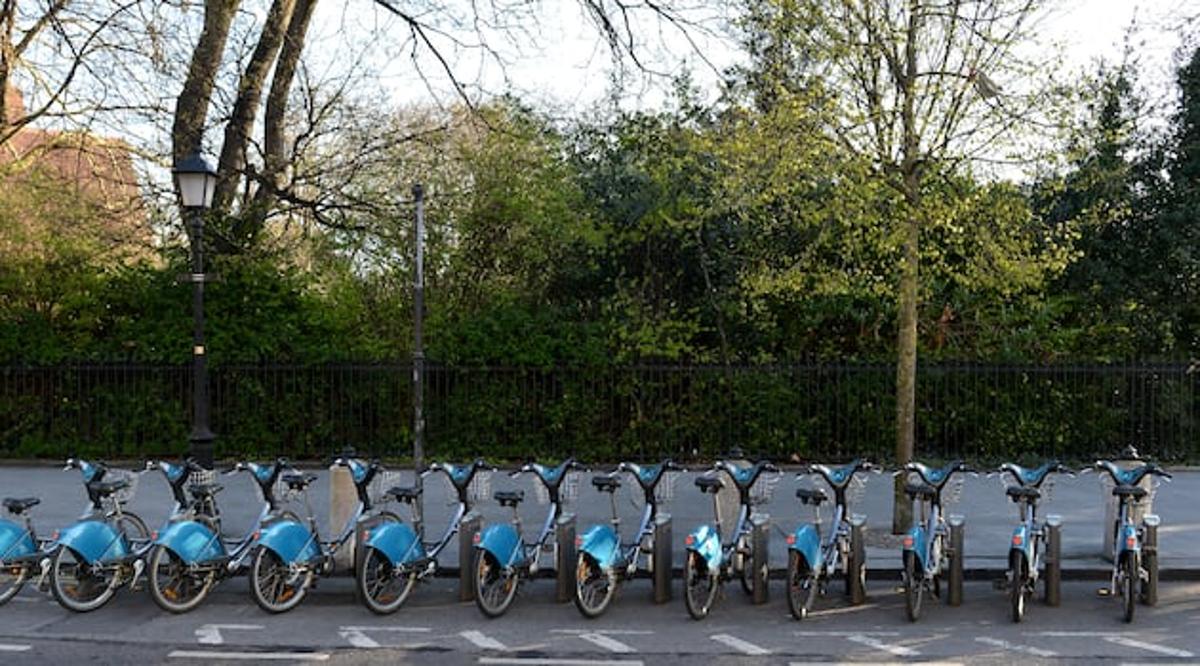
DublinBikes Scheme to Be Discontinued After 18 Years with Plans for New Service
Companies Mentioned
Why It Matters
Shifting to a publicly owned bike‑share network could double fleet size, improve coverage, and align the service with broader urban mobility goals. It also signals a move away from reliance on advertising‑funded public‑private models that have struggled financially.
Key Takeaways
- •Council to replace JCDecaux scheme with 4,000-bike public system
- •Existing fleet of 1,600 bikes and 115 stations will be phased out
- •New service will combine classic bikes and e‑bikes under single operator
- •Sponsorship revenue, including $2.45 M from Now TV, failed to make scheme profitable
- •Stationless operators Bleeper and Moby already provide 900 bikes citywide
Pulse Analysis
The DublinBikes story reflects a broader shift in European cities away from advertising‑driven bike‑share models toward municipally controlled networks. JCDecaux’s original arrangement, which traded street‑level ad space for capital‑intensive infrastructure, proved unsustainable when ridership fell during the pandemic and competition from dockless providers intensified. By taking ownership of stations and potentially the bikes themselves, Dublin can streamline maintenance, integrate e‑bike technology, and negotiate a single operator contract that aligns with public policy objectives such as reducing car traffic and expanding service to suburban neighborhoods.
Financially, the scheme’s chronic losses underscore the limits of sponsorship as a revenue pillar. Even the €2.25 million (about $2.45 million) three‑year partnership with Now TV could not offset operating deficits, highlighting the need for diversified funding streams. The council’s decision to double the fleet to roughly 4,000 units suggests confidence that scale economies and a mixed classic/e‑bike offering will attract higher subscription rates and per‑trip revenue, especially as urban commuters seek flexible, low‑carbon transport options post‑Covid.
Looking ahead, Dublin’s new model could set a benchmark for other cities grappling with legacy bike‑share contracts. A publicly owned fleet enables better data integration with city planning, real‑time demand management, and the ability to prioritize equity by extending stations into underserved districts. Moreover, the presence of 900 dockless bikes from Bleeper and Moby provides a competitive backdrop that may push the municipal operator to innovate in pricing, bike availability, and user experience, ultimately shaping a more resilient and inclusive urban mobility ecosystem.
DublinBikes scheme to be discontinued after 18 years with plans for new service
Comments
Want to join the conversation?
Loading comments...