Why It Matters
The taller, modern tower enhances safety and efficiency at a key regional hub, while the federal investment underscores a broader push to modernize aging air traffic infrastructure across the U.S.
Key Takeaways
- •New 143‑foot tower adds 90 feet to existing height
- •Project cost $72 million, includes $20 million DOT grant
- •Construction runs 20 months; old tower stays operational
- •Tower slated to be live by May 2028
- •Improved line‑of‑sight boosts runway safety, energy efficiency
Pulse Analysis
Air traffic control towers are the nerve centers of airport operations, and many of the United States’ facilities date back to the post‑World War II era. Duluth’s tower, commissioned in the early 1950s, ranks as the third‑oldest still in use, limiting visibility and restricting the integration of contemporary digital displays and automated surveillance tools. As the FAA tightens standards for line‑of‑sight and controller ergonomics, airports with legacy structures face mounting pressure to upgrade or risk operational bottlenecks.
The Duluth project combines a substantial capital outlay with targeted federal support. With a total budget of $72 million, including a $20 million grant from the U.S. Department of Transportation, the new 143‑foot tower will rise roughly 90 feet above the current height, delivering unobstructed views of the airport’s two runways. Designed with energy‑efficient lighting, HVAC systems and modular workstations, the facility will reduce operating costs while improving controller comfort. Construction is scheduled for 20 months, and the existing tower will stay active to ensure uninterrupted service.
Beyond safety, the tower replacement is expected to generate economic ripple effects throughout the Twin Ports region. The construction phase will create skilled labor jobs, and the modernized airfield could attract additional commercial and cargo traffic, supporting local businesses and tourism. Moreover, Duluth’s upgrade serves as a template for other mid‑size airports seeking to modernize under the same federal grant programs, illustrating how strategic investment can extend the lifespan of critical aviation infrastructure while aligning with national airspace modernization goals.
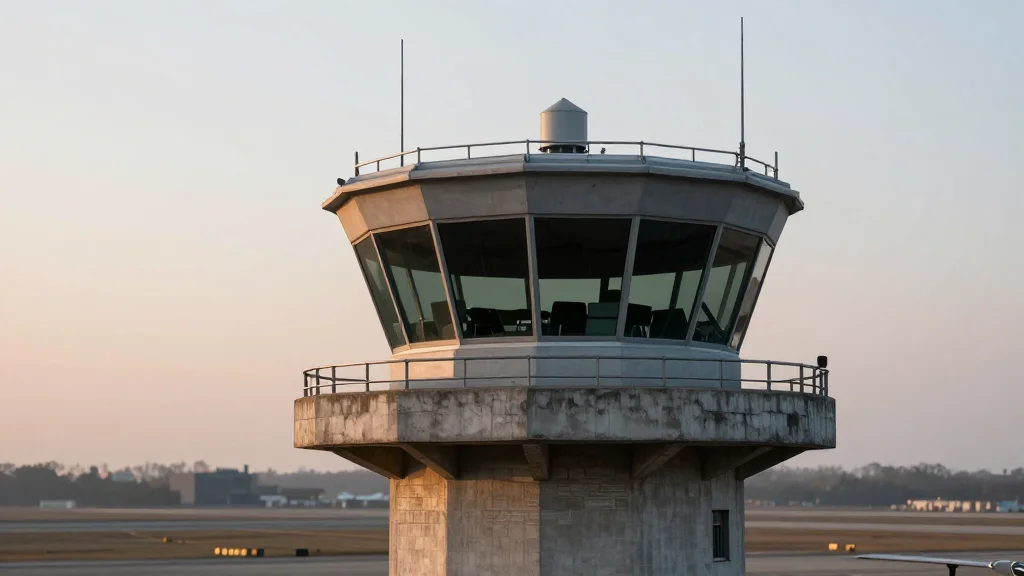
Duluth Replacing 70-Year-Old Tower
Comments
Want to join the conversation?
Loading comments...