E-Bikes And Scooters Are Getting Even Safer In Europe: Data
Key Takeaways
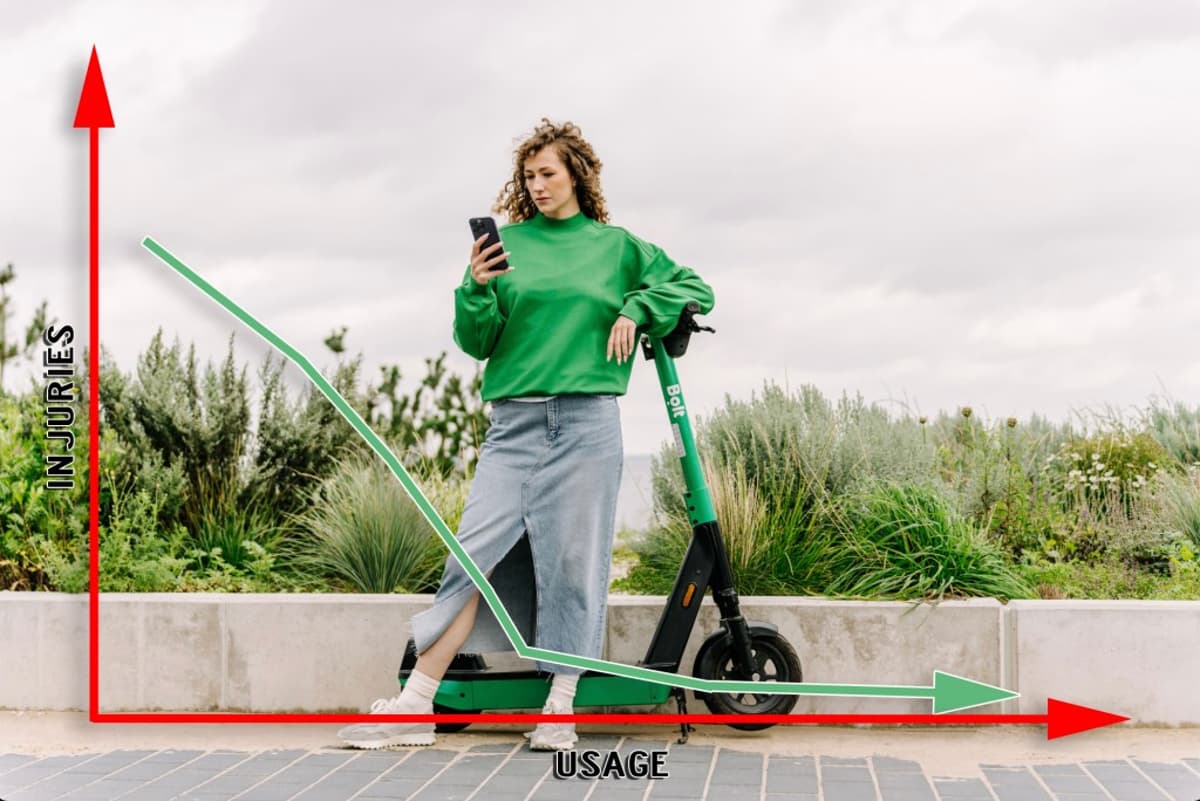
- •Shared e-scooter trips rose 14% while injury risk fell 1% 2024‑25
- •E‑bike trips jumped 72% and injuries per million trips dropped 18%
- •Safety features like speed caps and geofencing credited for risk reductions
- •Industry coalition aims to support Vision Zero by scaling data‑driven policies
- •Over 353 million scooter and 136 million e‑bike trips analyzed across 30+ markets
Pulse Analysis
The rapid expansion of shared micromobility in Europe has sparked intense debate about road safety. A new report from Micro‑Mobility for Europe, which aggregates data from Bolt, Dott, Lime and Voi, shows that despite a 14 percent increase in total scooter and bike mileage between 2024 and 2025, overall injury rates fell by just over 1 percent. More strikingly, e‑bike trips surged 72 percent while injuries per million trips dropped about 18 percent. The analysis covers 353 million e‑scooter trips and 136 million e‑bike rides across the EU, Norway, Switzerland, the UK and Israel, providing a robust statistical foundation for the findings.
The downward trend is attributed to a suite of safety interventions that have become standard across operators. Speed‑limiting firmware, geofencing that disables vehicles in crowded pedestrian zones, and rigorous maintenance schedules have collectively reduced exposure to high‑risk scenarios. Academic input from the National Technical University of Athens underscores that technological upgrades, combined with rider education programs, amplify these gains. Moreover, municipalities are investing in dedicated lanes and better lighting, creating an environment where cyclists and scooter riders can coexist more safely with motorists and pedestrians.
For policymakers and investors, the data challenges the narrative that micromobility inherently endangers public safety. The evidence supports scaling shared‑electric fleets as a viable component of Vision Zero strategies aimed at cutting road fatalities. Operators can leverage these safety metrics to negotiate favorable regulatory frameworks and secure public funding for infrastructure projects. As the sector continues to mature, continuous monitoring and transparent data sharing will be crucial to sustain the positive trajectory and to replicate Europe’s success in other regions seeking carbon‑free urban transport solutions.
E-Bikes And Scooters Are Getting Even Safer In Europe: Data
Comments
Want to join the conversation?