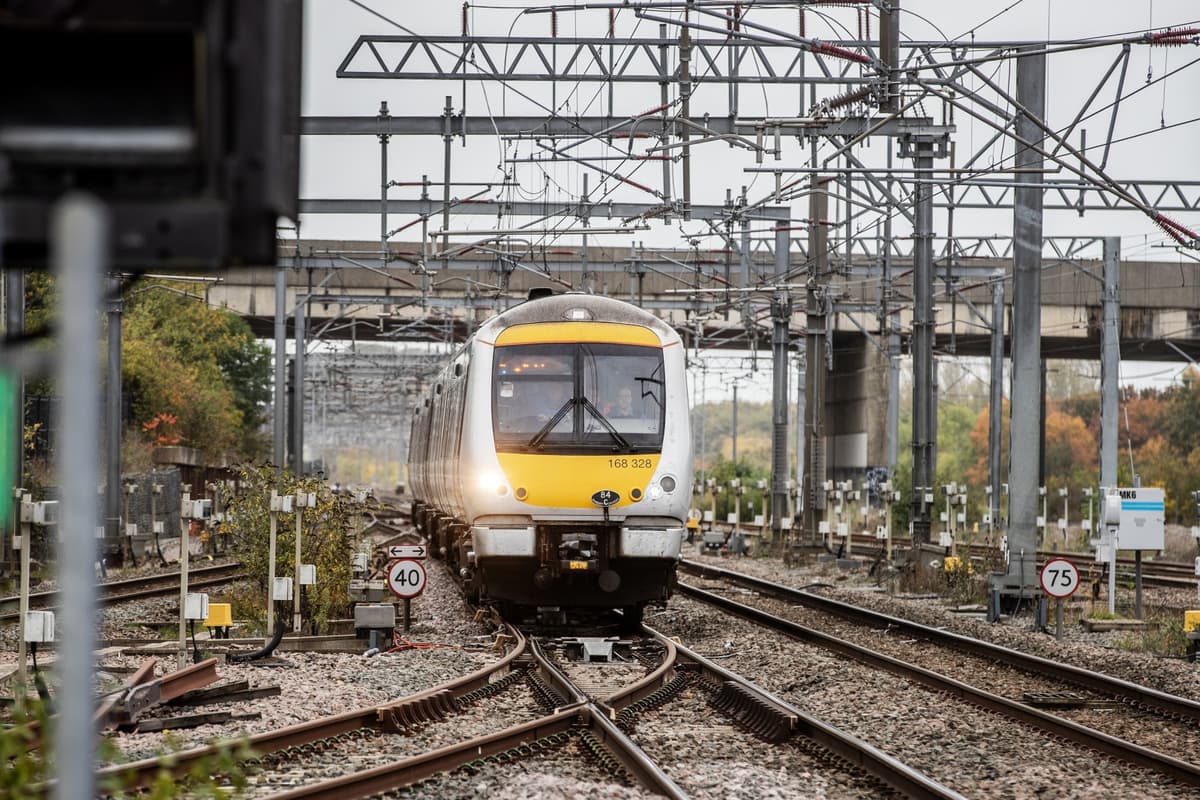
East West Rail Presents Revised Plans for Earlier Delivery
Why It Matters
The accelerated, phased rollout promises earlier connectivity for the Oxford‑Cambridge growth corridor, unlocking housing, jobs and investment while addressing environmental concerns with greener train technology.
Key Takeaways
- •Up to five trains per hour planned across full Oxford‑Cambridge route
- •Phased construction allows sections to open before line completion
- •New stations at Tempsford, Stewartby, Cambridge East slated for 2030s
- •Hybrid electric‑battery trains aim to cut emissions along corridor
Pulse Analysis
The East West Rail project sits at the heart of the UK’s Oxford‑Cambridge growth corridor, a region earmarked for tens of thousands of new homes and a surge in high‑tech jobs. Government backing and private investment have long viewed the line as a catalyst for regional competitiveness, linking two world‑class university hubs and their surrounding economies. By revisiting its delivery strategy, the railway aims to align infrastructure rollout with the corridor’s rapid development pace, ensuring transport capacity keeps step with demand.
The revised plan shifts to a phased construction model, allowing completed sections—such as the upgraded Marston Vale Line and the new Tempsford station—to enter service well before the full line is finished. Service frequency will rise to a core four trains per hour, with a fifth added during peak periods, and trains will expand from four to five carriages to accommodate projected passenger growth. Hybrid electric‑battery rolling stock will reduce carbon output, while station designs incorporate multimodal links, green corridors, and flood‑mitigation measures, addressing earlier criticism over incomplete electrification and environmental impact.
For businesses and developers, earlier rail access translates into tangible economic upside: improved commuter links attract talent, support new housing projects, and stimulate commercial investment along the route. The eight‑week public consultation, ending in June 2026, offers stakeholders a chance to shape final designs before the 2027 planning application. While challenges remain—particularly funding for full electrification and balancing biodiversity concerns—the phased approach positions East West Rail to deliver measurable benefits throughout the 2030s, reinforcing its role as a backbone for regional growth.
East West Rail Presents Revised Plans for Earlier Delivery
Comments
Want to join the conversation?
Loading comments...