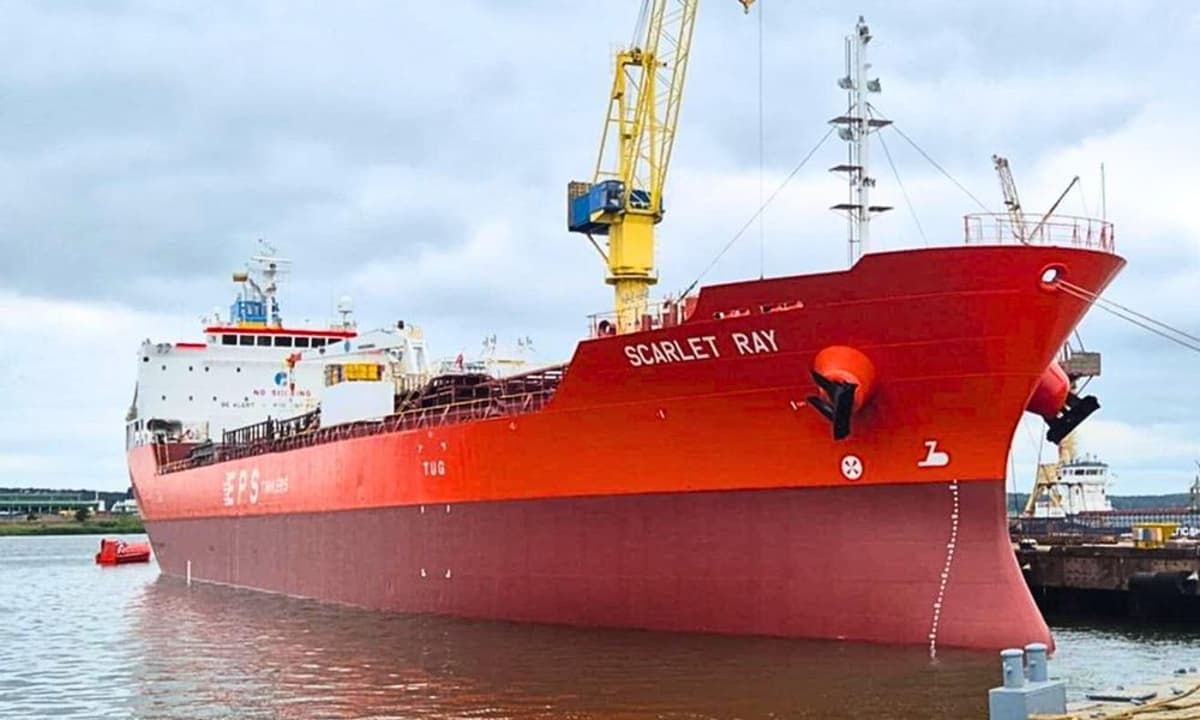
Eastern Pacific Exits Chemical Tanker Sector as Fleet Shifts to Ace and Womar
Companies Mentioned
Why It Matters
The deal consolidates chemical tanker capacity under two operators while freeing EPS capital to accelerate growth in higher‑margin, diversified shipping segments, reshaping competitive dynamics in the market.
Key Takeaways
- •EPS sells 14 chemical tankers to Ace and Womar.
- •Fleet spans 19,000–26,000 dwt, includes three newbuildings.
- •Seven vessels remain in AQCT pool; seven join Womar.
- •Deal frees capital for EPS core growth in containerships.
- •EPS orderbook now over 150 vessels across multiple sectors.
Pulse Analysis
Eastern Pacific Shipping’s decision to divest its chemical tanker fleet marks a notable shift in a sector that has faced volatile freight rates and tightening environmental regulations. By transferring ownership of 14 vessels—half of which will stay under the Ace Quantum Chemical Tanker pool and the other half moving to Womar—EPS is streamlining its asset base while ensuring continuity of service for charterers. The inclusion of three newbuildings in the transaction underscores the value of modern, fuel‑efficient ships in today’s market, where operators prioritize lower emissions and operational flexibility.
The disposal aligns with EPS’s stated portfolio strategy to concentrate resources on higher‑growth segments. Over the past few years, the company has expanded its presence in containerships, gas carriers, and car carriers, and it is aggressively pursuing one of the industry’s largest alternative‑fuel newbuilding programmes. With an orderbook exceeding 150 vessels, EPS is positioning itself to capture demand from the accelerating shift toward LNG‑powered and hydrogen‑ready ships, sectors that promise better margins and longer asset lifecycles compared with traditional chemical tankers.
For the broader shipping industry, the transaction signals continued consolidation among chemical tanker operators, as larger pools like AQCT and specialized players such as Womar seek scale to negotiate better charter terms and meet stricter environmental standards. EPS’s exit may prompt other diversified owners to reassess the profitability of chemical tanker assets, potentially accelerating a reallocation of capital toward greener, higher‑value vessels. Stakeholders should watch how the re‑balanced fleet influences spot rates and charter availability in the coming quarters.
Eastern Pacific exits chemical tanker sector as fleet shifts to Ace and Womar
Comments
Want to join the conversation?
Loading comments...