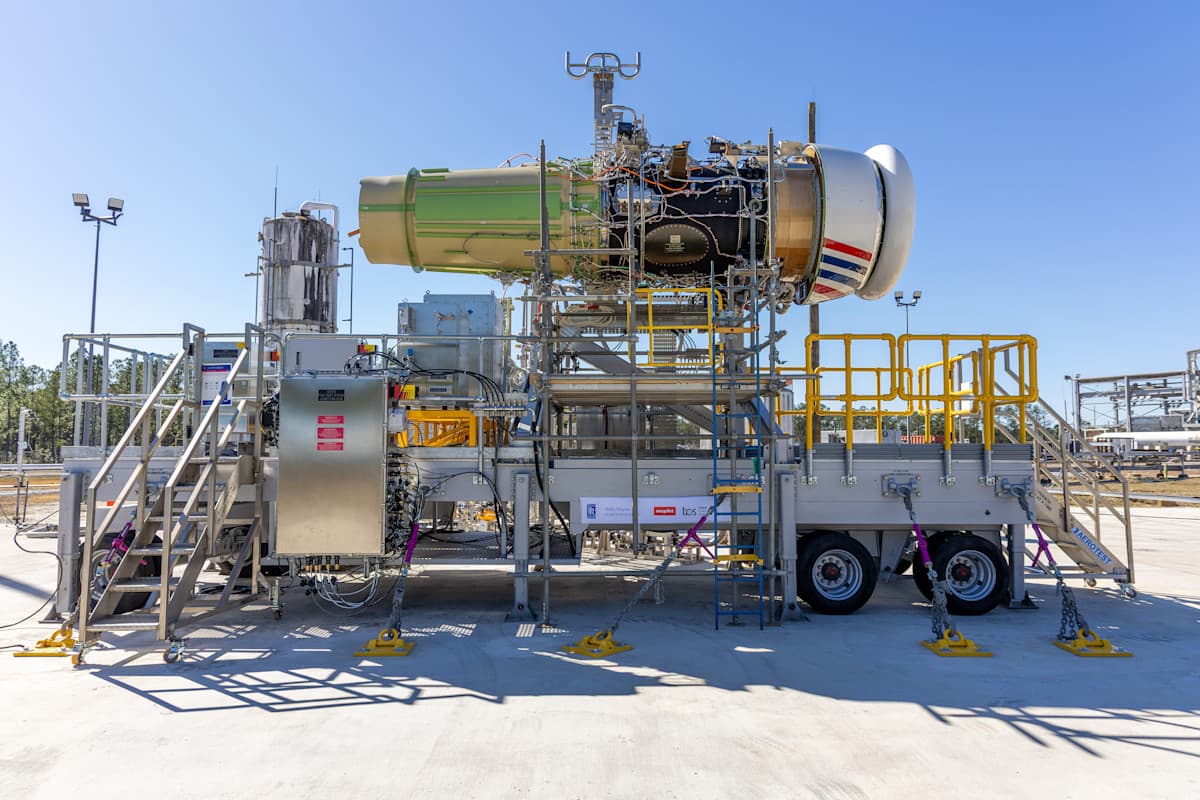
EasyJet and Rolls-Royce Conclude Hydrogen Fuel Engine Test
Companies Mentioned
easyJet
EZJ

Rolls‑Royce
Why It Matters
The milestone proves hydrogen can power commercial‑size jet engines, paving the way for lower‑carbon air travel and reshaping airline sustainability strategies.
Key Takeaways
- •Rolls‑Royce Pearl 15 engine ran at full take‑off power on 100% hydrogen
- •Test conducted at NASA’s Stennis Space Centre in Mississippi
- •Four‑year program proved hydrogen viability for narrow‑body jets
- •easyJet cites results as key step toward net‑zero aviation
Pulse Analysis
Hydrogen is emerging as a potential cornerstone of aviation decarbonisation, offering a zero‑carbon fuel that can complement Sustainable Aviation Fuel (SAF) in the industry’s transition. Unlike SAF, which still carries a carbon footprint, pure hydrogen combustion emits only water vapor, addressing both CO₂ and non‑CO₂ climate impacts. The successful demonstration by easyJet and Rolls‑Royce signals that the technology is moving from laboratory concepts to real‑world applicability, encouraging regulators and investors to consider hydrogen as a viable pathway for meeting aggressive emission targets.
The Stennis Space Centre test marked the first time a full‑scale jet engine reached take‑off thrust using 100% gaseous hydrogen, completing a simulated flight cycle that included start‑up, climb, cruise and landing. Engineers overcame challenges such as high‑temperature combustion stability, fuel‑line pressurisation, and thermal management, leveraging a purpose‑built hydrogen test facility and a four‑year development roadmap that began with component rigs in the UK. By validating the Pearl 15’s performance, Rolls‑Royce has demonstrated that existing turbofan architectures can be adapted for hydrogen without a complete redesign, reducing the barrier to entry for airlines.
For the market, the test accelerates the timeline for hydrogen‑powered narrow‑body aircraft, which could enter service in the 2030s if infrastructure and certification keep pace. Airlines like easyJet can now incorporate hydrogen into long‑term fleet planning, diversifying away from sole reliance on SAF and traditional jet fuel. Investment in hydrogen production, storage and airport refuelling will likely increase, while policymakers may craft incentives to spur adoption. The result is a clearer pathway toward net‑zero aviation, offering passengers greener travel options and creating new revenue streams for manufacturers and energy providers.
easyJet and Rolls-Royce Conclude Hydrogen Fuel Engine Test
Comments
Want to join the conversation?
Loading comments...